
Introduction
The Newfoundland, affectionately known as the “Newfie,” is a massive breed of dog that originated from an island in Canada. With its thick coat and webbed feet, this gentle giant was bred to be a working dog, excelling in tasks such as rescue, hunting, and herding. In this article, we’ll delve into the history, characteristics, and needs of the Newfoundland breed.
The Origins of the Newfoundland
There are two prevailing theories about the origins of the Newfoundland breed: one suggests that it was brought to America by Viking sailors, while the other proposes that it originated from an Asian breed that traveled through the Bering Strait during the last ice age. While we can’t pinpoint the exact origin, it’s clear that this breed has a rich history and has been cherished for centuries.
Physical Characteristics
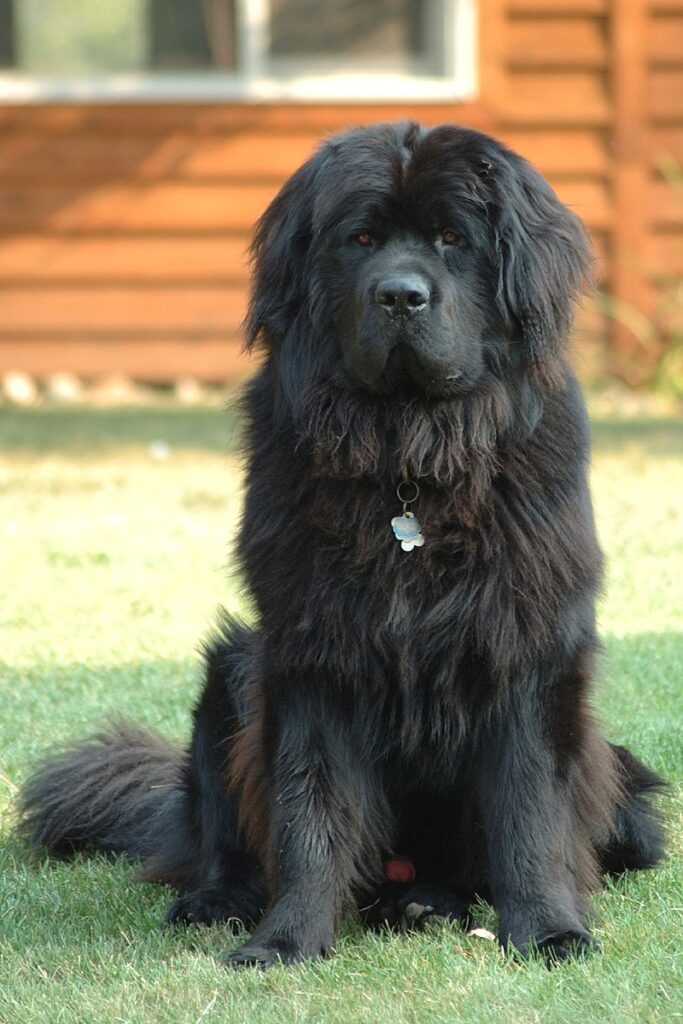
Newfoundlands are massive dogs, with males reaching up to 70 cm (28 inches) in height and weighing between 50-68 kg (110-150 pounds). Their coat comes in three colors: black, brown, and white with black markings. The breed’s distinctive features include its thick, water-resistant coat, webbed feet, and broad head.
Temperament
Newfoundlands are known for their gentle nature, making them an excellent choice as family pets. They are highly social, affectionate, and patient, but can become protective of their families if they feel threatened. Newfies are also natural swimmers, thanks to their webbed feet and water-resistant coat.
Health and Care
Due to their massive size, Newfoundlands require a balanced diet with plenty of protein and regular exercise. As puppies, they need to be exercised carefully to prevent joint issues. Adult Newfoundlands should receive regular grooming, including brushing and nail trimming. They are prone to certain health issues, such as hip dysplasia and heart problems.
Pricing
Newfoundland puppies can range in price from $1,000 to $5,000 or more, depending on factors such as bloodline, breeding, and location.
History of the Breed
The Newfoundland breed has been favored by royalty and celebrities throughout history. Some notable owners include Napoleon Bonaparte, George II, Wagner, and Lord Byron. The breed’s intelligence and loyalty have made them invaluable working companions in various industries.
Fun Facts
Newfoundlands are known for their incredible swimming abilities, with some dogs able to swim up to 50 km (31 miles) without rest. They also possess exceptional intelligence, often outsmarting other breeds in obedience training.
Curiosities
Despite their massive size, Newfoundlands are surprisingly agile and athletic. Their webbed feet make them natural swimmers, while their broad heads and strong jaws allow them to grip and maneuver objects with ease.
Types of Newfoundland Breeds
There are two main types of Newfoundland breeds: the Standard Newfoundland and the Miniature Newfoundland. The Standard Newfoundland is the most common type and is characterized by its massive size and thick coat. The Miniature Newfoundland, on the other hand, is smaller in size and has a more compact build.
History of Miniature Newfoundlands
The Miniature Newfoundland was developed in the 20th century as a result of selective breeding. The goal was to create a smaller version of the Standard Newfoundland that still retained its unique characteristics and working ability. Today, the Miniature Newfoundland is recognized by kennel clubs around the world.
Working Newfoundlands
Newfoundlands have been used for various tasks throughout history, including:
- Rescue: Their natural swimming abilities make them ideal for water rescue operations.
- Hunting: Their strong sense of smell and hunting instincts make them well-suited for hunting games such as duck and rabbit hunting.
- Herding: Their intelligence and athleticism allow them to herd livestock with ease.
Newfoundland Care in the Modern Era
Today, Newfoundlands are cherished family pets and working dogs alike. With proper care and attention, they can thrive in a variety of environments. However, their massive size requires regular exercise, balanced diets, and regular grooming to prevent health issues.
Training Newfoundlands
Newfoundlands are intelligent and respond well to positive reinforcement training. They require patient and consistent training, but with the right approach, they can learn complex commands and behaviors. Early socialization is crucial for preventing behavioral problems later in life.
Grooming Newfoundlands
Regular grooming is essential for maintaining the health and appearance of a Newfoundland’s coat. Brushing should be done at least twice a week to prevent matting and tangling, while nail trimming should be performed every few weeks to prevent overgrowth.
Conclusion
The Newfoundland breed is a majestic and loving companion that has captured the hearts of many. With its rich history, impressive physical characteristics, and loyal temperament, it’s no wonder why this breed remains a popular choice for families and working professionals alike.
Frequently Asked Questions (FAQs)
- Q: How much exercise does a Newfoundland need?
A: Newfoundlands require regular exercise to maintain their physical health and mental well-being. Aim for at least 30 minutes of moderate-intensity exercise per day. - Q: Are Newfoundlands good with children?
A: Yes, Newfoundlands are known for their gentle nature and patient demeanor, making them an excellent choice as family pets. - Q: How often do Newfoundlands need to be groomed?
A: Adult Newfoundlands require regular grooming, including brushing and nail trimming. Puppies need more frequent grooming to prevent matting and tangling of their fur. - Q: Can Newfoundland puppies swim from an early age?
A: While puppies can start swimming at around 8-10 weeks old, it’s essential to introduce them gradually and under adult supervision to prevent accidents. - Q: How long do Newfoundlands live?
A: With proper care and attention, Newfoundlands can live up to 8-10 years, with some individuals living into their teens. - Q: Are Newfoundland dogs prone to any specific health issues?
A: Yes, Newfoundland dogs are prone to hip dysplasia, heart problems, and certain cancers due to their massive size and genetic predisposition. - Q: Can I train a Newfoundland without professional help?
A: While Newfoundlands are intelligent and respond well to positive reinforcement training, they can be challenging to train for inexperienced owners. Consider consulting with a professional trainer or breeder for guidance. - Q: How much does it cost to own a Newfoundland?
A: Owning a Newfoundland comes with significant expenses, including food, veterinary care, and regular grooming. Budget at least $1,000-2,000 per month for the first year, increasing by 10% annually thereafter.
By understanding the history, characteristics, and needs of the Newfoundland breed, you can make an informed decision about whether this majestic companion is right for you and your family.


