
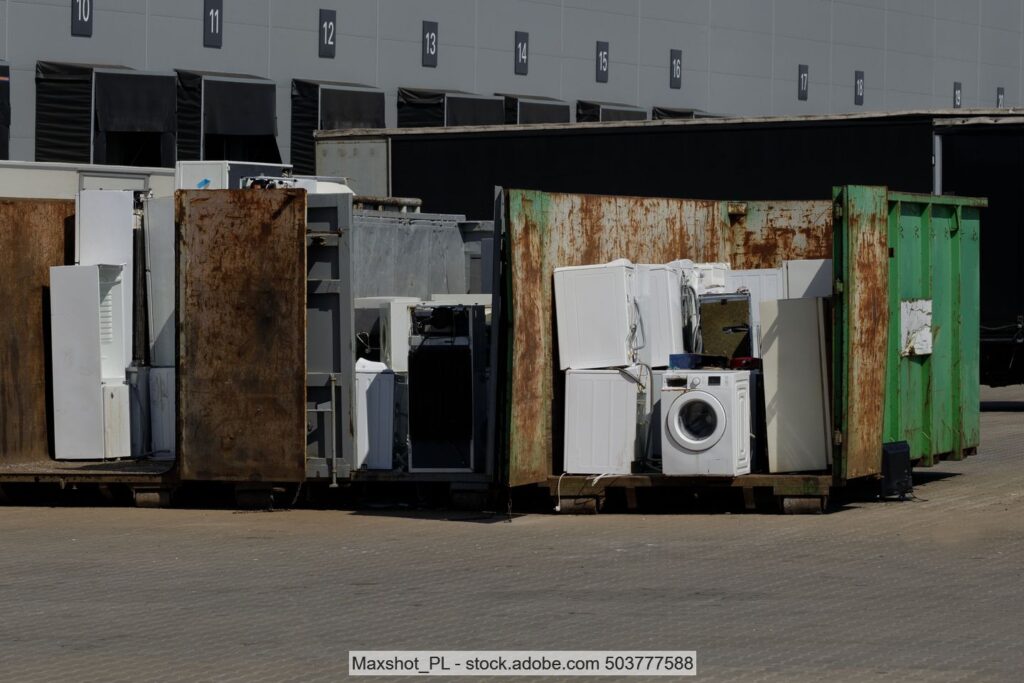
As of September 4, 2013, the new EU WEEE directive has come into force, introducing significant changes to the recycling process for waste electrical and electronic equipment (WEEE). In this article, we will delve into the key aspects of this new legislation, exploring its implications on Italian households and businesses.
The New Directive: What’s Changing?
The new WEEE directive aims to simplify the collection and processing of WEEE, ensuring that these hazardous materials are handled in a more efficient and environmentally friendly manner. One of the primary changes is the removal of the 6,000 kg transport limit for WEEE, previously imposed by the DM 65/2010.
History of the WEEE Directive
The European Union’s WEEE directive was first introduced in 2002 to address the growing problem of electronic waste and its environmental impacts. The directive sets minimum standards for the collection, recovery, and disposal of WEEE across member states, with a focus on ensuring that these products are recycled and reused when possible.
New Quantities and Collection Procedures
Under the new directive, the transportation of WEEE to collection centers can take place when a single collection unit reaches a minimum weight of 3,500 kilograms. This change applies to all WEEE categories (R1-R5) except for R4 (small appliances) and R5 (light sources), where the threshold is the combined weight of both categories.
Key Changes in Italian Practice
In Italy, this new directive has already led to significant changes in waste collection practices. With the removal of the transport limit, businesses will be able to handle larger quantities of WEEE without restrictions. Additionally, the directive provides clarity on the possibility of receiving collected WEEE from distributors via standard channels.
Implications for Waste Management and Logistics
Entities involved in WEEE management, such as the REMEDIA consortium, have expressed confidence that these changes will lead to more efficient waste collection practices. Danilo Bonati, Director General of REMEDIA, notes that the new directive will undoubtedly necessitate a more concerted effort in simplifying the system.
Benefits and Outcomes
While there are concerns about increased costs associated with the new legislation, experts predict that these benefits will outweigh the expenses. As businesses adapt to the new regulations, they can expect improved waste management services for consumers. The EU WEEE directive is also expected to create new economic opportunities in areas such as recycling, reuse, and energy recovery from WEEE.
Recycling and Reuse
One of the key objectives of the EU WEEE directive is to promote recycling and reuse of WEEE. To achieve this goal, member states are required to establish separate collection channels for hazardous waste generated by electronic equipment. The directive also encourages the development of new markets for recycled materials, providing a financial incentive for businesses to adopt more sustainable practices.
The Impact on Small and Medium-Sized Enterprises (SMEs)
Smaller businesses may face additional challenges in adapting to the new regulations. However, the EU WEEE directive provides support for SMEs through various initiatives, such as training programs, subsidies, and access to funding. To ensure a smooth transition, it is essential that these businesses understand their obligations under the directive and seek guidance from local waste management authorities.
The Role of Distributors in WEEE Management
Distributors play a crucial role in ensuring that electronic equipment is properly collected and recycled. The EU WEEE directive requires distributors to take responsibility for the collection and disposal of WEEE generated by their products. This change has significant implications for businesses involved in the distribution of electronic goods.
The Future of WEEE Management: Challenges and Opportunities
As the world becomes increasingly dependent on technology, the need for efficient WEEE management practices will only grow. The EU WEEE directive represents a major step forward in addressing this challenge, but there is still much work to be done. To ensure that these directives are effective, it is essential that stakeholders, including governments, businesses, and consumers, continue to collaborate and share best practices.
Recap: What You Need to Know
In conclusion, the EU WEEE directive has brought significant changes to Italy’s waste collection landscape. Understanding these changes is crucial for households and businesses involved in WEEE management. Stay informed about this evolving field and make responsible choices regarding electronic waste.
Frequently Asked Questions (FAQs)
Q: What is the new threshold for transporting WEEE to collection centers?
A: The transport limit has been removed, allowing for transportation when a single collection unit reaches 3,500 kilograms.
Q: How does this change affect businesses involved in WEEE management?
A: Businesses can now handle larger quantities of WEEE without restrictions and will need to adapt their practices to meet the new requirements.
Q: What is the combined weight threshold for R4 (small appliances) and R5 (light sources)?
A: The threshold is the combined weight of both categories, allowing businesses to receive collected WEEE from distributors via standard channels.
Q: Will there be increased costs associated with implementing this legislation?
A: While some expenses are expected, the overall benefits of improved waste management services for consumers will likely outweigh these costs.
Q: What role does REMEDIA play in ensuring a smooth transition to the new regulations?
A: As a consortium involved in WEEE management, REMEDIA is working closely with stakeholders to adapt and implement the new legislation effectively.
Q: Will there be any changes to waste collection procedures for small businesses?
A: Yes, small businesses will need to comply with new regulations and guidelines outlined by the directive.
Q: Are there any opportunities for consumers to make a positive impact on electronic waste management?
A: By choosing responsible electronics disposal practices, consumers can contribute to more efficient WEEE management systems.
Q: What resources are available for further information on this topic?
A: For more details and guidance, please visit official government websites or consult with local waste management authorities.
Q: How will the new legislation affect public awareness about electronic waste management?
A: The EU directive aims to increase public understanding of WEEE’s importance in maintaining a sustainable environment.


