
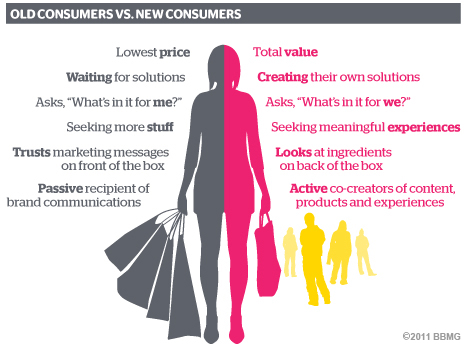
In recent years, there has been a significant shift in consumer behavior towards more sustainable and conscious choices. This trend is driven by growing concerns about the environmental impact of our daily lives, as well as a desire for healthier and more fulfilling living. In this article, we will explore the world of conscious consumption, its history, key principles, and how it’s changing the way we think about food, fashion, and lifestyle.
The Evolution of Agriculture
To understand the rise of conscious consumption, let’s start with agriculture. The concept of organic farming has been around for decades, but it wasn’t until recently that it gained mainstream attention. Organic farming focuses on using natural methods to control pests and diseases, without relying on synthetic fertilizers or pesticides. This approach not only benefits the environment but also promotes soil health and biodiversity.
However, there’s more to conscious consumption than just organic farming. Another key area of focus is biodiversity, which refers to the variety of plant and animal species that exist in an ecosystem. Biodiversity is crucial for maintaining healthy ecosystems and supporting sustainable agriculture.
The Slow Food Movement
Slow food is a movement that promotes cooking from scratch using fresh, locally sourced ingredients. The slow food movement was founded in Italy in 1986 and has since gained popularity worldwide. At its core, slow food is about celebrating the pleasure of eating and promoting sustainable agriculture practices.
But what does “slow” mean in this context? In essence, it means taking your time to appreciate the simple things in life, like enjoying a meal with family and friends. Slow food encourages consumers to think more mindfully about their relationship with food and to prioritize quality over quantity.
Veganism, Cruelty-Free Living, and Fruitarianism
Three other key areas of conscious consumption are veganism, cruelty-free living, and fruitarianism. Veganism is a lifestyle choice that seeks to avoid animal products altogether, while cruelty-free living focuses on avoiding products tested on animals or made from animal-derived materials.
Fruitarianism, on the other hand, emphasizes a diet rich in fruits and plant-based foods, with minimal or no consumption of animal products. While these lifestyles may seem extreme to some, they offer valuable insights into how conscious consumption can shape our values and choices.
The Commercial Side of Sustainable Living
As consumers become more aware of their impact on the environment, businesses are starting to take notice. The commercial side of sustainable living is booming, with companies offering eco-friendly products and services that cater to conscious consumers.
However, there’s a darker side to this trend. With the rise of fast fashion, cheap organic produce, and trendy wellness products, some consumers may feel pressure to keep up with the latest trends rather than making meaningful changes in their lives.
Interviews with Industry Experts
To get a better understanding of the industry, we spoke with several experts who share insights into the world of conscious consumption. From farmers to chefs, these individuals offer valuable perspectives on how to live more sustainably and make informed choices about food, fashion, and lifestyle.
Some key takeaways from our interviews include:
- The importance of supporting local farmers and artisans
- The need for transparency in labeling and marketing practices
- The value of community-driven initiatives that promote sustainability
Sustainability Events Around the World
To stay up-to-date with the latest developments in conscious consumption, it’s essential to attend events that focus on sustainability. From trade shows to conferences, these events offer a platform for industry experts to share their knowledge and connect with like-minded individuals.
Some notable events include:
- The Salone dell’Alimentazione Naturale (SANA) in Bologna, Italy
- Natura Bio in Milan, Italy
- The Northern Vegan Festival in Manchester, UK
- The Toronto Raw Vegan Festival in Toronto, Canada
The Impact of Social Media on Conscious Consumption
Social media has played a significant role in shaping the way we think about conscious consumption. Platforms like Instagram and Facebook have created a space for consumers to share their values and choices, as well as connect with like-minded individuals.
However, social media can also be a double-edged sword. On one hand, it provides a platform for businesses to showcase their sustainable practices and engage with consumers. On the other hand, it can create unrealistic expectations and promote consumerism.
The Future of Conscious Consumption
As the world continues to evolve, conscious consumption will play an increasingly important role in shaping our values and choices. From agriculture to fashion, lifestyle to food, we’ll explore the key trends and innovations that will shape the future of sustainable living.
Some potential areas of focus include:
- Sustainable materials and production methods
- Circular economy models and waste reduction
- Community-driven initiatives and social enterprises
- Technology-enabled solutions for sustainability
Conclusion
Conscious consumption is a rapidly evolving field that requires consumers to think critically about their values and choices. By exploring the history of agriculture, the principles of slow food, veganism, cruelty-free living, and fruitarianism, we can gain a deeper understanding of how conscious consumption is shaping our world.
As industry experts and consumers alike continue to adapt to this new landscape, it’s essential to prioritize transparency, community-driven initiatives, and sustainability. By doing so, we can create a more equitable and environmentally friendly future for all.
Frequently Asked Questions
- What does conscious consumption mean?
Conscious consumption refers to the practice of making informed choices about the products and services we use, with the goal of minimizing harm to the environment and promoting sustainable development. - How did organic farming become mainstream?
Organic farming has been around for decades, but it gained mainstream attention in recent years due to growing concerns about environmental sustainability and public health. - What is the difference between veganism and cruelty-free living?
Veganism is a lifestyle choice that seeks to avoid animal products altogether, while cruelty-free living focuses on avoiding products tested on animals or made from animal-derived materials. - How can consumers support local farmers and artisans?
Consumers can support local farmers and artisans by buying their products directly, attending farmers’ markets, and promoting sustainable agriculture practices in their communities. - What role do events play in shaping conscious consumption?
Events such as trade shows, conferences, and festivals provide a platform for industry experts to share their knowledge and connect with like-minded individuals, helping to shape the future of conscious consumption.
References
- National Institute of Environmental Health Sciences (NIEHS). (2022). Organic Farming.
- Slow Food International. (n.d.). What is Slow Food?
- Vegan Society. (n.d.). Veganism and Cruelty-Free Living.
- The Northern Vegan Festival. (n.d.). Our Story.
- Toronto Raw Vegan Festival. (n.d.). About Us.
Glossary
- Agriculture: The practice of cultivating land and producing crops, livestock, and other plant and animal products.
- Biodiversity: The variety of plant and animal species that exist in an ecosystem.
- Conscious consumption: The practice of making informed choices about the products and services we use, with the goal of minimizing harm to the environment and promoting sustainable development.
- Cruelty-free living: A lifestyle choice that seeks to avoid products tested on animals or made from animal-derived materials.
- Fruitarianism: A diet rich in fruits and plant-based foods, with minimal or no consumption of animal products.
- Organic farming: The practice of cultivating land using natural methods to control pests and diseases, without relying on synthetic fertilizers or pesticides.
- Slow food: A movement that promotes cooking from scratch using fresh, locally sourced ingredients.
- Sustainable agriculture: The practice of cultivating land in a way that minimizes harm to the environment and promotes long-term sustainability.


