
Understanding and Treating Neuropathic Pain
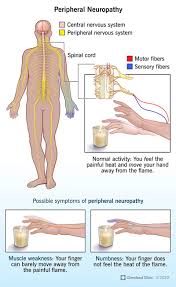
Neuropathic pain, also known as neuropathy, is a type of pain caused by problems with the “signals” that are sent and received by nerves. Unfortunately, it’s not always easy to understand what causes neuropathic pain, given the numerous possible causes.
What is Neuropathic Pain?
Neuropathic pain is a type of chronic pain that affects millions of people worldwide. It is caused by damage or dysfunction in the nervous system, which can result in abnormal sensations such as burning, stabbing, shooting, or electric shock-like feelings. The pain can be severe and debilitating, making everyday activities challenging.
What Causes Neuropathic Pain?
There are many possible causes of neuropathic pain, including:
- Nerve damage: Damage to the nerves can cause pain, numbness, tingling, and weakness.
- Infections: Certain infections, such as herpes zoster (shingles), can cause nerve damage and lead to chronic pain.
- Diabetes: People with diabetes are more likely to develop neuropathic pain due to nerve damage caused by high blood sugar levels.
- Trauma: Injuries, such as car accidents or falls, can cause nerve damage and lead to chronic pain.
- Cancer: Cancer treatments, such as chemotherapy, can cause nerve damage and lead to chronic pain.
- Neurological disorders: Certain neurological disorders, such as multiple sclerosis, can cause nerve damage and lead to chronic pain.
How is Neuropathic Pain Treated?
Treating neuropathic pain requires a comprehensive approach that addresses the underlying cause of the pain. Treatment options may include:
- Medications: Antidepressants, anticonvulsants, and opioids are commonly used to treat neuropathic pain.
- Physical therapy: Physical therapy can help improve mobility and reduce pain.
- Alternative therapies: Acupuncture, massage, and cognitive-behavioral therapy may be effective in managing chronic pain.
The Importance of Early Treatment
Early treatment is crucial for managing neuropathic pain effectively. Delaying treatment can lead to prolonged suffering and decreased quality of life. It’s essential to work with a healthcare professional to develop a personalized treatment plan.
Frequently Asked Questions (FAQs)
- What are the most common causes of neuropathic pain?
- Nerve damage, infections, diabetes, trauma, cancer, and neurological disorders.
- How is neuropathic pain treated?
- Medications, physical therapy, and alternative therapies such as acupuncture and massage.
- Can neuropathic pain be cured?
- Unfortunately, there is no cure for neuropathic pain, but it can be effectively managed with treatment.
- How long does it take to start feeling better after treatment?
- The time it takes to feel better varies depending on the individual and the severity of their symptoms. Some people may experience relief within a few days, while others may take several weeks or months.
- Are there any alternative therapies that can help manage neuropathic pain?
- Yes, acupuncture, massage, cognitive-behavioral therapy, and mindfulness-based stress reduction are examples of alternative therapies that have been shown to be effective in managing chronic pain.
Living with Neuropathic Pain
Living with neuropathic pain requires a combination of treatment and lifestyle changes. Some tips for managing neuropathic pain include:
- Keeping a pain journal: Keeping track of when the pain occurs, its severity, and any factors that may exacerbate or alleviate it.
- Engaging in stress-reducing activities: Stress can worsen neuropathic pain, so engaging in activities such as meditation, yoga, or deep breathing exercises can be helpful.
- Staying active: Regular exercise can help reduce pain and improve mobility.
- Getting enough sleep: Lack of sleep can exacerbate neuropathic pain, so it’s essential to get at least 7-8 hours of sleep per night.
Conclusion
Neuropathic pain is a complex condition that requires comprehensive treatment. By understanding the causes of neuropathic pain and working with a healthcare professional, individuals can develop an effective treatment plan and improve their quality of life.


