
Introduction
Nettle, scientifically known as Urtica dioica L., is a perennial herb belonging to the Rhamnaceae family. Characterized by its erect stem and seedy, urticating leaves, nettle has been used for centuries in various cultures for its medicinal properties and culinary uses. In this article, we will delve into the world of nettle, exploring its benefits, applications, and preparation methods.
Understanding Nettle
There are three main species of nettle: dioica, urens, and comuna. Dioica is the most common variety, known for its tall stature and dark green leaves with urticating hairs. Urens has shorter stems and smaller leaves, while comuna has a more slender stem and lighter-colored leaves.
Medicinal Properties of Nettle
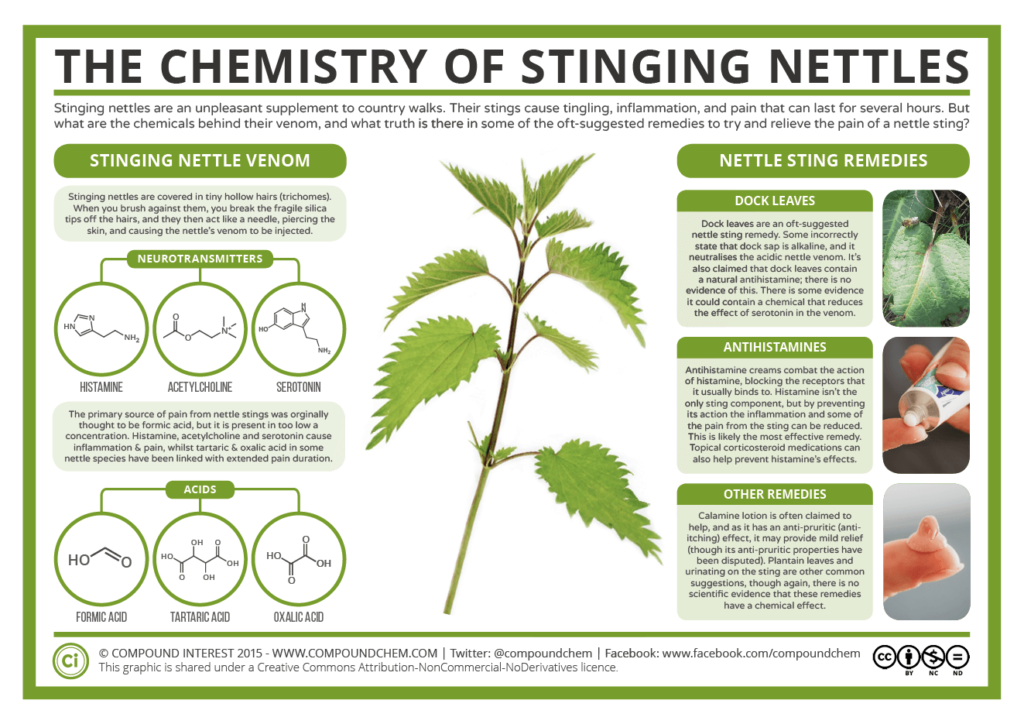
Nettle’s medicinal properties are multifaceted and diverse. The plant contains various bioactive compounds, including:
• Acetic acid
• Formic acid
• Gallic acid
• Glycoside
• Carotene
• Chlorine
• Chlorophyll
• Iron
• Calcium nitrate
• Urticulin
• Vitamin A
• Vitamin C
These compounds contribute to nettle’s numerous health benefits, including:
Antidiarrheal and Anti-Astringent Properties
Nettle’s bioactive compounds can help alleviate digestive issues such as diarrhea. The plant’s anti-astringent properties also make it useful for treating skin conditions like acne.
In traditional medicine, nettle has been used to treat various gastrointestinal problems, including irritable bowel syndrome (IBS) and inflammatory bowel disease (IBD). Studies have shown that the extract of nettle can help reduce inflammation in the gut and alleviate symptoms such as diarrhea and abdominal pain.
Depurative and Diuretic Properties
The urticulin present in nettle helps remove toxins from the body, making it an effective depurative agent. Its diuretic properties can also help regulate blood pressure and promote urinary health.
Nettle has been traditionally used to treat urinary tract infections (UTIs) and kidney stones. The plant’s diuretic properties can help increase urine production, allowing the kidneys to flush out toxins more efficiently.
Emostatic, Epatico-Protegetic, and Hypotensive Properties
Nettle’s compounds have been shown to possess emostatic, epatico-protegetic, and hypotensive effects, which may help reduce inflammation and improve liver function.
Studies have demonstrated that nettle extract can inhibit the production of pro-inflammatory cytokines, such as TNF-alpha and IL-6, which play a crucial role in chronic inflammatory diseases. Additionally, nettle’s epatico-protegetic properties may help regulate blood sugar levels and protect against oxidative stress.
Revulsive and Rinmineralizing Properties
The plant’s bioactive compounds also exhibit revulsive properties, which can help stimulate blood circulation. Additionally, nettle’s mineral-rich content makes it an effective rinmineralizer for promoting overall health.
Nettle has been traditionally used to treat conditions such as anemia and fatigue, due to its ability to increase iron absorption and promote hemoglobin production. The plant’s revulsive properties may also help improve circulation in extremities, reducing the risk of peripheral artery disease (PAD).
Preparation Methods for Nettle
To harness nettle’s medicinal properties effectively, one must respect the plant’s balsamic periods. The optimal time to use nettle depends on its various parts:
• Stems and leaves: best during spring before flowering (balsamico primaverile)
• Roots: best during late summer to early autumn (balsamico autunnale)
Culinary Uses of Nettle
Despite its potent medicinal properties, nettle is also a versatile ingredient in cooking. Its leaves can be used as a spinach substitute or added to various dishes for their unique flavor.
Some popular recipes featuring nettle include:
• Frittatas
• Risottos
• Minestrone
• Stews
Preparation Methods
When using nettle in cooking, it is essential to note the following preparation methods:
• Boiling: 10-15 minutes
• Steaming: 5-7 minutes
• Sauteing: 2-3 minutes
To prepare nettle for consumption, remove the leaves from the stem and rinse them thoroughly. Cook or sauté the nettle until it is tender, then season with garlic, lemon juice, or other herbs to enhance its flavor.
Conclusion
Nettle’s multifaceted properties and culinary uses make it a valuable resource for maintaining overall health. By understanding nettle’s medicinal benefits and preparation methods, individuals can harness its power to improve their well-being.
Frequently Asked Questions (FAQs)
- Q: What is the recommended dosage of nettle extract?
A: Consult with a healthcare professional before taking nettle extracts. - Q: Can I use nettle in cooking without preparing it first?
A: Yes, you can sauté or steam nettle directly from its leaves or stems. - Q: Are there any side effects associated with nettle consumption?
A: Mild side effects may occur when consuming excessive amounts of nettle; consult a healthcare professional if issues persist. - Q: Can I use nettle as a natural remedy for digestive issues?
A: Yes, nettle has been traditionally used to alleviate digestive problems like diarrhea and indigestion. - Q: How can I store fresh nettle leaves?
A: Store nettle leaves in the refrigerator or freezer to maintain their nutritional value and freshness. - Q: Can I use dried nettle instead of fresh nettle for cooking?
A: Yes, dried nettle can be used as a substitute for fresh nettle; however, adjust cooking times according to the product’s instructions. - Q: How do I choose the right type of nettle leaf for my recipe?
A: Select fresh or frozen nettle leaves for optimal flavor and nutritional value. - Q: Can I use nettle as a substitute for spinach in recipes?
A: Yes, nettle’s slightly bitter taste can be masked by cooking with garlic, lemon juice, or other seasonings.
Nettle and Modern Medicine
While nettle has been used for centuries in traditional medicine, its modern applications are expanding rapidly. Researchers are studying the plant’s potential benefits in treating various diseases, including cancer, diabetes, and cardiovascular disease.
One promising area of research is the use of nettle extract as a natural anti-inflammatory agent. Studies have shown that nettle’s bioactive compounds can inhibit the production of pro-inflammatory cytokines, reducing inflammation and oxidative stress in the body.
Nettle and Nutrition
Nettle is an excellent source of essential nutrients, including:
• Protein: 3.4 grams per 100g serving
• Fiber: 2.5 grams per 100g serving
• Vitamin C: 21% of the Daily Value (DV) per 100g serving
• Iron: 12% of the DV per 100g serving
• Calcium: 10% of the DV per 100g serving
Nettle’s nutrient profile makes it an excellent addition to a balanced diet. The plant can be used as a nutritious ingredient in salads, smoothies, and other recipes.
Conclusion
Nettle is a versatile herb with numerous medicinal properties and culinary uses. By understanding its benefits, applications, and preparation methods, individuals can harness its power to improve their well-being. Whether you use nettle for cooking or medicine, this ancient plant remains an excellent choice for maintaining overall health and promoting wellness.


