
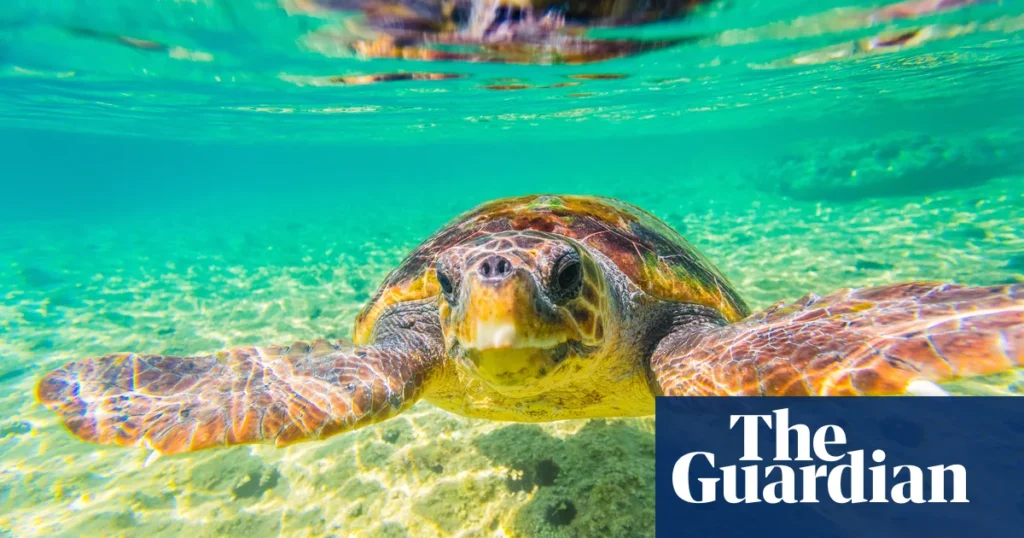
In the year 2024, Italy has seen a remarkable new milestone in the conservation efforts for the endangered sea turtle species, Caretta caretta. A total of 601 nests have been recorded along its coastlines, surpassing the previous record set in 2023. This extraordinary outcome is thanks to the constant monitoring and protection of nests by hundreds of volunteers, supported by the LIFE Turtlenest project, cofinanced by the European Union’s LIFE program.
Content
1. A Significant Increase Over 2023
According to data compiled by Legambiente and published on Tartapedia.it, the number of ovipositions in Italy has increased by over 30% compared to 2023, with a total of 452 nests recorded that year.
The success of this year’s nesting can be attributed to several factors, including:
- Climate Change: Rising temperatures have expanded the sea turtle’s habitat for nesting.
- Monitoring Efforts: Increased monitoring has allowed for the identification and protection of more nests.
- Conservation Projects: Over the past 25 years, LIFE-funded projects have contributed to improving species conservation and marine ecosystems.
2. The Regions Most Popular Among Sea Turtles
The Sicily region leads the ranking with 190 nests distributed among Siracusa, Ragusa, Agrigento, and Trapani. Followed by:
- Calabria: 147 nests along the Costa dei Gelsomini and the Tyrrhenian coast.
- Campania: 104 nests concentrated on the Domizio-Flegreo coastline and in Cilento.
- Puglia: 99 nests primarily located in Lecce Province.
- Tuscany: 24 nests along the coasts of provinces of Lucca and Livorno.
- Lazio: 14 nests found in localities such as Ostia, Torvaianica, Tarquinia, Sabaudia, Nettuno, and Terracina.
- Sardinia: 7 nests mainly located on the southern part of the island.
3. Monitoring Activities Along Spanish and French Coasts
Internationally, the census recorded 12 nests along Spanish coastlines and 14 along French coastlines, lower than the 2023 figures, which reported 30 and 14 nests respectively. The LIFE Turtlenest project will analyze genetic data and conduct ongoing monitoring to explain this decline.
4. Factors Behind the Increase in Nestings
The rise in nestings can be attributed to a combination of factors:
- Climate Change: Rising temperatures have expanded the sea turtle’s habitat for nesting.
- Monitoring Efforts: Increased monitoring has allowed for the identification and protection of more nests.
- Conservation Projects: Over the past 25 years, LIFE-funded projects have contributed to improving species conservation and marine ecosystems.
5. Collaboration Between Institutions and Citizens
Stefano Di Marco, Coordinator of Legambiente’s Project Office and Manager of the LIFE Turtlenest project, emphasized the importance of collaboration between institutions, associations, and citizens. “The remarkable outcome this year demonstrates that synergy can make a real difference in protecting sea turtles,” he stated.
6. Innovations in the LIFE Turtlenest Project
This year, the LIFE Turtlenest project launched the “Turtle Friends” protocol, involving municipalities, protected areas, and beach resorts in responsible management of beaches. Key innovations include:
- The creation of a dog unit, Tartadogs, trained to detect eggs and accompany operators.
- Increased cooperation among stakeholders.
7. Challenges and Threats to Sea Turtle Conservation
Many nests were found on high-density tourist beaches, making it easier to identify turtle tracks but also posing significant challenges. Light pollution and inconsiderate tourist behavior pose a serious threat to newly hatched turtles’ survival.
8. Predictions for the Future
It is estimated that over 40,000 baby sea turtles will hatch from nests in Italy, Spain, and France. However, reaching reproductive age (20-25 years) is arduous, with only one turtle out of 1,000 making it to adulthood.
9. Conclusion
The LIFE Turtlenest project plays a crucial role in the future of sea turtles, with a significant impact on their conservation in Mediterranean regions of Italy, Spain, and France. Thanks to coordination by Legambiente and collaboration from numerous entities, the project continues to promote the protection of this endangered species and its natural habitats.
Frequently Asked Questions
Q: What is the significance of the 601 nests recorded along Italy’s coastlines in 2024?
A: The increase in nesting sites reflects a concerted effort by volunteers and conservation projects, leading to improved protection and monitoring of these vital areas for sea turtle reproduction.
Q: Which regions have seen the highest number of sea turtle nests in 2024?
A: Sicily, Calabria, Campania, Puglia, Tuscany, Lazio, and Sardinia are among the top regions for nesting sites, indicating a favorable environment for these species.
Q: What is being done to address the challenges posed by high-density tourist beaches?
A: The LIFE Turtlenest project has implemented measures such as responsible beach management protocols, cooperation with local communities, and education campaigns to mitigate the negative impacts of tourism on sea turtle habitats.
Q: How does climate change affect sea turtle nesting sites?
A: Rising temperatures have expanded the habitat for sea turtles to nest, contributing to the increase in nesting sites observed over recent years.
Q: What role do conservation projects play in protecting sea turtle populations?
A: Projects like LIFE Turtlenest contribute significantly by improving species conservation and marine ecosystems, ultimately benefiting sea turtles through better habitats and reduced threats.
Q: Can you tell us more about the Tartadogs dog unit used in the LIFE Turtlenest project?
A: The Tartadogs are trained to detect eggs and accompany operators during monitoring activities. This innovative approach enhances the effectiveness of conservation efforts by leveraging canine capabilities.
Q: What is expected for sea turtle populations in the near future?
A: While there is hope for increased numbers, reaching reproductive age remains a significant challenge, with only one out of 1,000 turtles making it to adulthood.
Q: Can you elaborate on the LIFE Turtlenest project’s focus on responsible beach management?
A: The project aims to promote responsible tourism practices that minimize harm to sea turtle habitats. This includes education campaigns, cooperation with local communities, and implementing sustainable beach management strategies.
Additional Resources
- For more information on sea turtle conservation efforts, visit Tartapedia.it.
- Learn about the LIFE Turtlenest project’s initiatives and successes by visiting Legambiente.org.
- Discover ways to protect sea turtles in your own community by exploring WWF-Italy.org.


