
Understanding Eye Twitching: What’s Behind the Symptom?
Eye twitching, also known as blepharospasm, is a common condition characterized by involuntary muscle contractions in the eyelids. There are three main types of spasms that fall under this category: spasms of the palpebral muscles, essential blepharospasm, and emifacial spasms.
Signs and Symptoms
While eye twitching can be a harmless condition, it’s essential to note that the symptoms may not always be indicative of an eyelid spasm. However, if you experience any of the following symptoms, it’s best to consult with your eye doctor for proper evaluation:
- A sudden or uncontrollable contraction of one or both eyelids
- Eye spasms that interfere with daily activities
- Frequent blinking or opening and closing of the eyes
Causes of Eye Twitching
The exact cause of eye twitching is still unknown, but researchers have identified several potential factors:
- Distortion in brain signals: One theory suggests that a distortion in brain signals may lead to involuntary muscle contractions.
- Neurotransmitter imbalance: Imbalances in neurotransmitters like dopamine and serotonin may contribute to eye twitching.
- Stress and anxiety: Stress and anxiety can trigger muscle spasms, including those affecting the eyelids.
Risk Factors
Certain individuals are more prone to eye twitching:
- Women
- Older adults
- People with a family history of blepharospasm
Testing and Diagnosis
If you’re experiencing eye twitching symptoms that persist or worsen over time, it’s best to consult with your eye doctor for proper evaluation. The doctor may recommend the following tests:
- Comprehensive eye exam
- Electromyography (EMG) to assess muscle activity
- Imaging studies (e.g., MRI or CT scans) in rare cases
Treatment and Medications
The treatment approach depends on the underlying cause of the eye twitching. In some cases, no treatment may be necessary if the spasms are mild and self-limiting. However, for more severe symptoms, the following treatments may be recommended:
- Botulinum toxin injections: Injected into the affected muscles to relax them
- Chiropractic care: Spinal manipulation and other chiropractic techniques may help alleviate tension in the neck and head
- Physical therapy: Exercises and stretches to improve eye movement and reduce muscle strain
In rare cases, surgery may be necessary to remove damaged or inflamed tissue.
Conclusion
Eye twitching can be a concerning symptom, but it’s essential to understand that it’s often treatable. By identifying the underlying cause and consulting with an eye doctor, you can develop an effective treatment plan to alleviate your symptoms and improve your quality of life.
Frequently Asked Questions (FAQs)
- What is the difference between a tic and an eye twitch?
Eye twitches are involuntary muscle contractions in the eyelids, while tics are more complex movements that involve multiple muscles. - Can stress cause eye twitching?
Yes, stress and anxiety can trigger eye twitching. Practice relaxation techniques like deep breathing, meditation, or yoga to help manage stress. - How common is eye twitching?
Eye twitching is a relatively common condition that affects millions of people worldwide. - Can eye twitching be caused by poor posture?
Poor posture may contribute to eye strain and discomfort, but it’s unlikely to cause eye twitching directly. - Will eye twitching go away on its own?
In some cases, eye twitching may resolve itself without treatment. However, if the symptoms persist or worsen, consult with an eye doctor for proper evaluation. - Can I treat eye twitching at home?
While there are some self-care measures that can help alleviate eye twitching symptoms, it’s best to consult with an eye doctor for personalized advice and treatment. - Is eye twitching a sign of an underlying medical condition?
In most cases, eye twitching is not indicative of an underlying medical condition. However, if you experience other symptoms like blurred vision or double vision, seek medical attention promptly. - Can I use over-the-counter medications to treat eye twitching?
No, it’s best to consult with an eye doctor before taking any medication for eye twitching. They can recommend the most effective treatment options and ensure that you’re not masking a underlying condition.
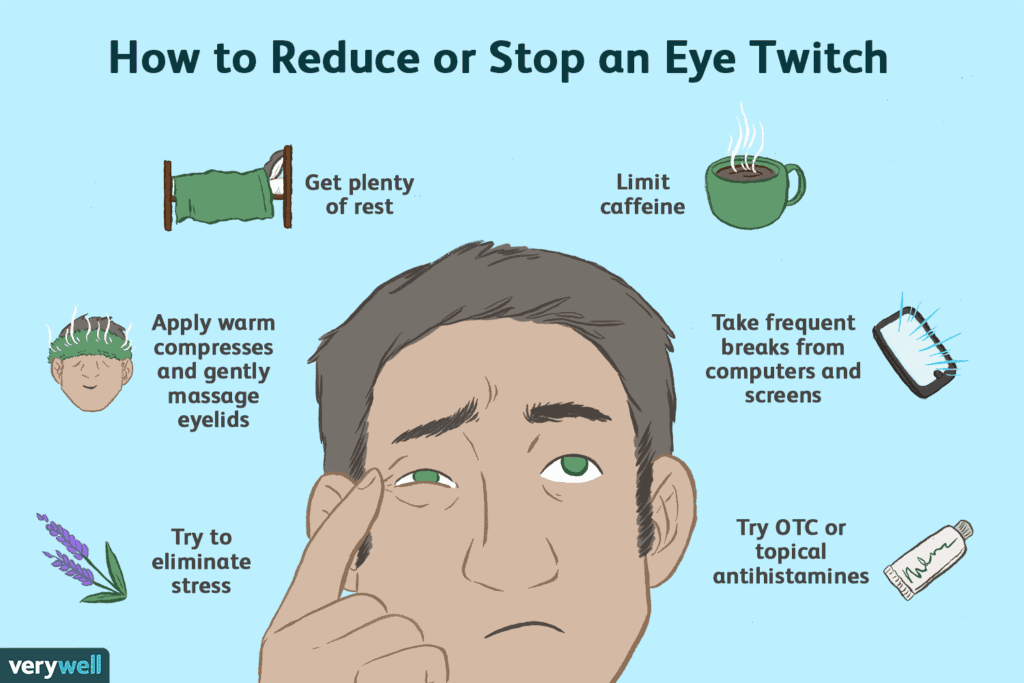
In addition to these treatments, there are several lifestyle modifications that may help alleviate eye twitching symptoms:
- Maintain good posture: Regular exercise and stretches can help improve your posture and reduce muscle strain.
- Use relaxation techniques: Stress-reducing activities like meditation, deep breathing, or yoga can help manage stress and anxiety.
- Get enough sleep: Aim for 7-8 hours of sleep per night to help regulate your body’s natural rhythms.
- Eat a balanced diet: A healthy diet rich in fruits, vegetables, and whole grains can help support eye health.
Conclusion
Eye twitching is a relatively common condition that can be treated effectively with the right approach. By understanding the causes, symptoms, and risk factors associated with eye twitching, you can take steps to alleviate your symptoms and improve your quality of life. Consult with an eye doctor for personalized advice and treatment, and consider lifestyle modifications like maintaining good posture, using relaxation techniques, getting enough sleep, and eating a balanced diet.
Additional Resources
- National Eye Institute (NEI): A leading organization dedicated to advancing the understanding of eye diseases and promoting public awareness.
- American Academy of Ophthalmology (AAO): A professional organization that provides resources and information on eye health, including blepharospasm.
- Mayo Clinic: A trusted source for medical information and advice on a wide range of topics, including eye care.
Remember to consult with an eye doctor or other qualified healthcare professional if you experience any symptoms or concerns related to eye twitching.


