
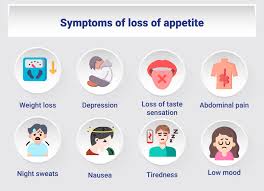
Have you ever found yourself eating without feeling hungry, only to realize it was a case of nervous hunger? While it may seem like an easy mistake, frequent episodes of consuming food without actual hunger can be a sign of a deeper issue. In this article, we’ll explore the concept of nervous hunger, its symptoms, causes, and natural remedies.
What is Nervous Hunger?
Nervous hunger occurs when the body’s mechanism for regulating appetite fails, leading to excessive eating despite not feeling hungry. This can be triggered by various factors, including emotional states such as anxiety, sadness, or loneliness. In some cases, it may also be related to underlying issues like low self-esteem or a lack of social connection.
Symptoms of Nervous Hunger
Unlike traditional hunger pangs, nervous hunger often manifests in different ways. You might feel an intense craving for food without any physical sensation of hunger, leading you to overeat or make impulsive food choices. This can be accompanied by feelings of guilt, shame, or regret afterward.
Some common symptoms of nervous hunger include:
- Feeling the need to eat even when not hungry
- Eating more than needed due to emotional triggers
- Overindulging in comfort foods
- Using food as a coping mechanism for stress, anxiety, or other emotions
- Feeling self-conscious about eating habits
Causes of Nervous Hunger
While the exact causes of nervous hunger are still not fully understood, research suggests that it may be linked to:
- Emotional Eating: Using food as a coping mechanism for stress, anxiety, or other emotions.
- Lack of Social Connection: Feeling isolated or disconnected from others can lead to overeating.
- Low Self-Esteem: Negative self-talk and self-doubt can trigger excessive eating.
- Hormonal Imbalances: Certain hormonal changes can affect appetite regulation.
- Trauma or Stress: Experiencing traumatic events or chronic stress can contribute to nervous hunger.
Natural Remedies for Nervous Hunger
While there is no single cure for nervous hunger, incorporating the following natural remedies into your daily routine may help alleviate symptoms:
- Mindful Eating: Practice savoring each bite and paying attention to your body’s hunger cues.
- Regular Exercise: Engage in physical activity to reduce stress and improve mood.
- Relaxation Techniques: Try techniques like deep breathing, meditation, or yoga to manage anxiety and emotions.
- Aromatherapy: Certain scents like lavender and vanilla can help calm the mind and body.
- Herbal Supplements: Herbs like chamomile, passionflower, and valerian root may promote relaxation and reduce stress.
Nutritional Recommendations for Nervous Hunger
To combat nervous hunger, focus on consuming nutrient-dense foods that promote feelings of fullness and satisfaction:
- Fiber-Rich Foods: Include plenty of fruits, vegetables, whole grains, and legumes in your diet.
- Omega-3 Rich Foods: Consume foods high in omega-3 fatty acids, such as salmon, walnuts, or chia seeds.
- Probiotic-Rich Foods: Incorporate probiotic-rich foods like yogurt, kefir, or fermented vegetables to support gut health.
- Healthy Fats: Nourish your body with healthy fats like avocados, nuts, and seeds.
- Lean Protein Sources: Include lean protein sources like chicken, turkey, fish, and tofu in your diet.
Conclusion
Nervous hunger is a complex issue that requires patience, self-awareness, and a comprehensive approach. By understanding the underlying causes and incorporating natural remedies into your lifestyle, you can develop healthier relationships with food and emotions. Remember, it’s okay to indulge occasionally, but prioritizing nutrient-dense eating and mindful consumption will help you achieve a balanced and satisfying relationship with food.
Frequently Asked Questions
- Is nervous hunger a sign of an underlying medical condition?
- No, nervous hunger is not typically a sign of a serious medical condition. However, if symptoms persist or worsen, consult a healthcare professional for guidance.
- Can I overcome nervous hunger through willpower alone?
- While willpower can help in the short term, it’s often insufficient to address underlying emotional and psychological factors. A comprehensive approach that incorporates natural remedies and lifestyle changes is more effective.
- What are some common triggers for nervous hunger?
- Common triggers include stress, anxiety, loneliness, low self-esteem, and hormonal imbalances.
- Can I use supplements to alleviate nervous hunger?
- While certain supplements like glucomannan or probiotics may help with satiety or gut health, consult a healthcare professional before adding any new supplements to your regimen.
If you’re struggling with nervous hunger, don’t hesitate to reach out for support. By working together, we can develop healthier relationships with food and emotions, leading to a more balanced and fulfilling life.


