
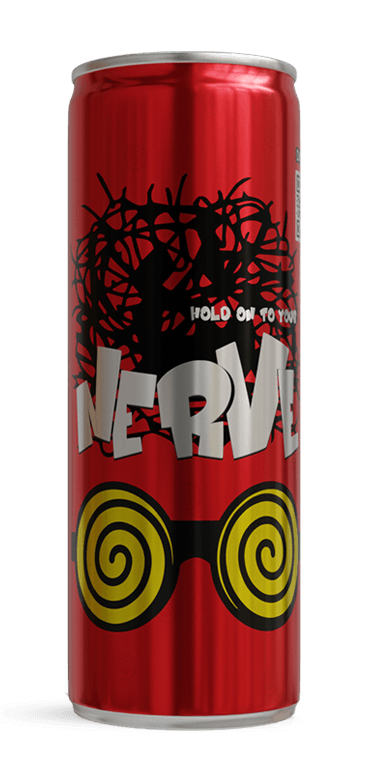
As the name suggests, nerve drinks are beverages that contain substances that stimulate the central nervous system. The effects of a nerve drink can vary depending on the active ingredient it contains. Generally, the effects of nerve drinks include increased attention, reduced fatigue perception, improved physical and mental efficiency.
What Are Nerve Drinks?
Nerve drinks contain stimulants that act on the central nervous system. These substances are often found in natural sources such as coffee, tea, and chocolate.
It’s essential to note that not all ingredients marketed as stimulants are nerve drinks. The taurine is a common ingredient in energy drinks like Red Bull, but it’s not a nerve drink because it doesn’t affect the central nervous system. Instead, it has an insulin-like effect, improving glucose and amino acid transport within cells and muscles.
Types of Nerve Drinks
Nerve drinks are classified based on their primary substance. There are drinks made with caffeine, tea, or cola.
Caffeine is a well-known stimulant found in coffee and tea. A single shot of espresso can contain up to two cups of coffee, with 80 mg of caffeine per 50 ml serving. Caffeine has various effects on the body, including:
- Increased stomach acid secretion
- Effects on the lower esophageal sphincter
- Increased heart rate and blood pressure
- Stimulates adrenal gland release of adrenaline and noradrenaline
- Increases metabolic rate
Tea, especially green tea, contains substances like theanine and L-theanine. These compounds are released from the leaves of the Camellia sinensis plant and have a calming effect on the nervous system.
Counterindications and Side Effects
While nerve drinks can be beneficial for some people, they also come with potential counterindications and side effects. It’s crucial to differentiate between these two concepts:
- Counterindications refer to situations where using or consuming a substance is contraindicated.
- Side effects are direct consequences of using the substance, even in normal physiological conditions.
Nerve drinks may be contraindicated for individuals with:
- Gastritis
- Ulcers
- Pregnancy
- High blood pressure
- Arrhythmias
- Cardiovascular diseases
- Alcoholic dependence
- Osteoporosis
- Metabolic syndrome
Side effects of excessive caffeine consumption, especially when combined with other nerve drinks, may include:
- Nervousness
- Irritability
- Anxiety
- Atrial arrhythmia
- Insomnia
- Increased blood pressure and heart rate
- Gastritis
- Ulceration
Caffeine’s Impact on Calcium Absorption
Additionally, caffeine can inhibit the absorption of a crucial mineral for our body: calcium.
Pregnancy and Nerve Drinks
During pregnancy, it’s recommended to limit or avoid consuming nerve drinks altogether. Pregnant women should be cautious about their caffeine intake, as caffeine can pass through the placenta and affect fetal development. Breastfeeding mothers should also be mindful of their caffeine consumption, as small amounts may pass into breast milk.
Interactions with Medications
Nerve drinks can interact with certain medications, such as:
- Blood thinners
- Stimulants (e.g., Ritalin)
- Anti-anxiety medications (e.g., Xanax)
- Sedatives
If you are taking any medication, it’s essential to consult with a healthcare professional before consuming nerve drinks.
Frequently Asked Questions
- What is the difference between a nerve drink and a stimulant?
A nerve drink contains substances that stimulate the central nervous system, while a stimulant is a specific type of substance that affects the body’s metabolic processes. - Can I consume caffeine if I’m pregnant or breastfeeding?
Yes, but in moderation. Pregnant women should limit their daily caffeine intake to one cup of coffee (about 200 mg) and avoid consuming caffeinated beverages past mid-day. - What are some common side effects of excessive caffeine consumption?
Common side effects include nervousness, irritability, anxiety, insomnia, increased blood pressure, and heart rate. - Can I consume nerve drinks if I have high blood pressure?
It’s recommended to consult with a healthcare professional before consuming nerve drinks if you have high blood pressure. Some nerve drinks may exacerbate hypertension or interact with medications. - How do caffeine and other nerve drink ingredients affect my body?
Caffeine can increase stomach acid production, heart rate, and blood pressure, while other ingredients like theanine may promote relaxation and reduce anxiety. - Can I consume nerve drinks if I have osteoporosis?
Some research suggests that excessive caffeine consumption may lead to increased bone loss and decreased bone density in people with osteoporosis. -
How much caffeine is too much?
Consuming more than 400 mg of caffeine per day can lead to side effects like jitteriness, anxiety, insomnia, and increased heart rate. -
Can I consume nerve drinks if I have a metabolic syndrome?
While some research suggests that certain ingredients in nerve drinks may help alleviate symptoms of metabolic syndrome, it’s essential to consult with a healthcare professional before consuming these beverages, especially if you have a diagnosed condition.
The Science Behind Nerve Drinks
Nerve drinks work by affecting the central nervous system. The brain receives signals from various parts of the body, and these signals can be modulated using certain substances. For example:
- Caffeine increases dopamine release in the brain, leading to increased alertness and attention.
- Tea contains L-theanine, which promotes relaxation and reduces anxiety.
- Cola contains caffeine, but also other ingredients like taurine, which may help improve athletic performance.
The Role of Nerve Drinks in Sports Performance
Nerve drinks have become increasingly popular among athletes and fitness enthusiasts. Some argue that these beverages can enhance physical and mental performance, while others claim that they can lead to negative side effects.
Some potential benefits of nerve drinks for sports performance include:
- Increased energy and alertness
- Improved focus and concentration
- Enhanced endurance
However, there are also potential drawbacks to consider:
- Dehydration and electrolyte imbalance
- Interactions with medications or other substances
- Negative side effects like jitteriness and anxiety
Conclusion
Nerve drinks can be a useful tool for improving physical and mental performance, but it’s essential to use them responsibly and in moderation. By understanding the different types of nerve drinks, potential counterindications and side effects, and interactions with medications, you can make informed decisions about incorporating these beverages into your diet or lifestyle.
What to Do If You’re Considering Nerve Drinks
If you’re considering trying a nerve drink, here are some steps you can take:
- Consult with a healthcare professional: Before consuming any substance, it’s essential to consult with a healthcare professional, especially if you have pre-existing medical conditions.
- Read labels carefully: Make sure to read the label carefully and look for ingredients that may interact with medications or exacerbate existing health conditions.
- Start with small amounts: If you’re new to nerve drinks, start with small amounts and gradually increase your consumption as needed.
- Monitor your body: Pay attention to how your body reacts to the drink and adjust your consumption accordingly.
By following these steps and being mindful of potential counterindications and side effects, you can enjoy the benefits of nerve drinks while minimizing their risks.


