
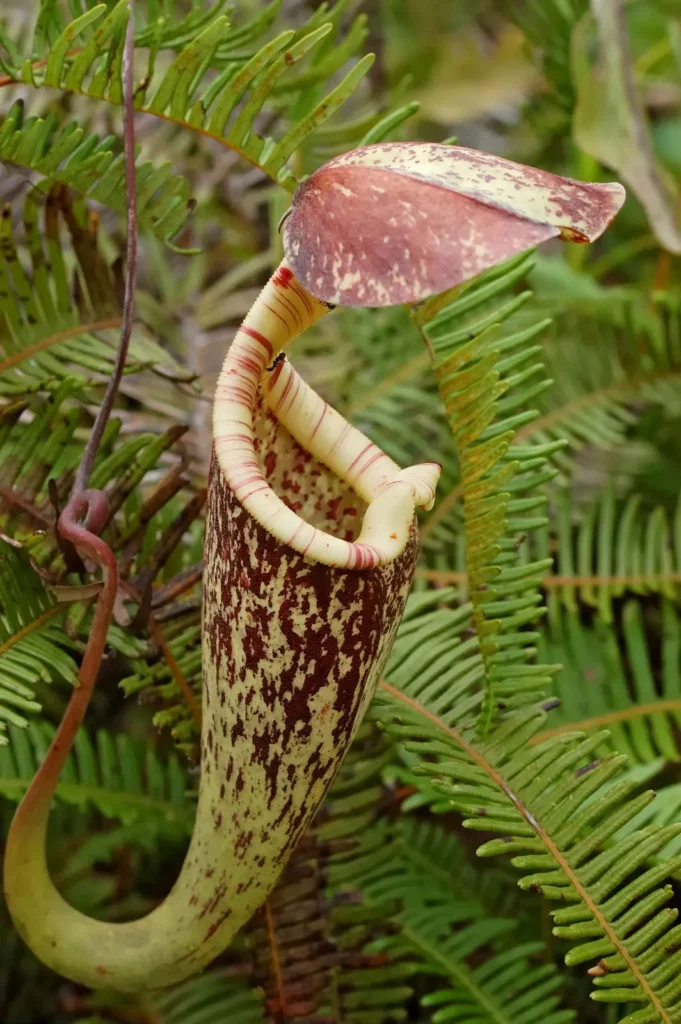
As a gardener, you’re likely no stranger to the concept of carnivorous plants. These unique organisms have adapted to thrive in environments with limited nutrients, capturing insects and other small creatures to supplement their diet. Among the most popular carnivorous plants is Nepenthes, also known as the pitcher plant.
What Makes Nepenthes a Great Choice for Home Growers?
Nepenthes is an excellent choice for home gardeners due to its ease of care and striking appearance. While some carnivorous plants require full sun, Nepenthes prefers bright, indirect light but can tolerate low light conditions. This makes it a great option for growers who may not have a sunny windowsill available.
A Brief History of Nepenthes
Nepenthes is native to the tropical regions of Southeast Asia, particularly in the Borneo and Malaysia rainforests. In its natural habitat, Nepenthes thrives in warm, humid environments with plenty of moisture. However, this plant can be quite particular about its living conditions, making it essential to provide a suitable environment for growth.
The Unique Structure of Nepenthes
One of the most fascinating features of Nepenthes is its modified leaves, which have evolved into trap-like structures called “pitchers.” These pitchers are designed to capture insects and other small creatures, which are then digested by enzymes similar to those found in human stomachs. The pitcher’s interior is lined with a sticky substance that traps the insects, making it impossible for them to escape.
Caring for Your Nepenthes
To keep your Nepenthes healthy and thriving, follow these essential care tips:
- Lighting: Provide bright, indirect light but avoid direct sunlight, which can cause the pitcher to overheat.
- Watering: Use distilled water to avoid mineral buildup in the soil. Keep the pot moist but not waterlogged, as this can lead to root rot.
- Temperature: Maintain a warm temperature range of 65-85°F (18-29°C) during the day and no lower than 55°F (13°C) at night.
- Humidity: Maintain high humidity levels, ideally above 50%, to mimic the plant’s natural environment.
Understanding the Role of Ascidi in Nepenthes
Ascidi are the modified leaves of the Nepenthes plant, which have evolved into pitchers. The ascidi contain a sticky substance that traps insects, allowing them to be digested by enzymes. It is essential to maintain healthy ascidi to ensure the proper functioning of the pitcher.
- Maintenance: Inspect your ascidi regularly for signs of damage or drying out. If you notice any issues, adjust your care routine accordingly.
- Substrate: Use a well-draining substrate that allows excess water to escape, preventing waterlogged soil and root rot.
A Word on Fertilization
Fertilizing Nepenthes can be tricky, as these plants have adapted to thrive in nutrient-poor environments. While you may not need to fertilize your Nepenthes regularly, there are times when a small supplement is necessary:
- Occasional feeding: Feed your Nepenthes with live insects like fruit flies or aphids, which can provide essential nutrients.
- Avoid over-fertilizing: Never use regular fertilizer on your Nepenthes, as this can lead to an overabundance of nutrients and potentially harm the plant.
Choosing the Right Substrate for Your Nepenthes
When selecting a substrate for your Nepenthes, consider the following factors:
- Acidity: Use a well-draining substrate with a pH range of 6-7.
- Organic matter: Incorporate organic matter like peat moss or perlite to maintain humidity and prevent waterlogging.
Irrigation Tips
When it comes to irrigation, Nepenthes requires consistent moisture but not constant flooding. Here are some tips to help you get it right:
- Watering frequency: Water your Nepenthes regularly, allowing the soil to dry slightly between waterings.
- Distilled water: Use distilled water to avoid mineral buildup in the soil.
Conclusion
Nepenthes is a fascinating carnivorous plant that can thrive with proper care and attention. By understanding its unique structure and needs, you can create an ideal environment for your Nepenthes to flourish. With regular maintenance and minimal fertilization, you can enjoy the beauty and uniqueness of this incredible plant.
Frequently Asked Questions (FAQs)
- Can I grow Nepenthes outdoors?
No, due to its sensitivity to cold temperatures. - How often should I water my Nepenthes?
Regularly, allowing the soil to dry slightly between waterings. - What is the ideal temperature range for Nepenthes?
65-85°F (18-29°C) during the day and no lower than 55°F (13°C) at night. - Can I use regular fertilizer on my Nepenthes?
No, as this can lead to an overabundance of nutrients and potentially harm the plant. - How do I prevent ascidi from drying out?
Inspect your ascidi regularly and adjust your care routine accordingly. - Can I use distilled water for irrigation?
Yes, as it helps maintain humidity levels without introducing minerals to the soil. - What is the best substrate for Nepenthes?
Use a well-draining substrate with a pH range of 6-7 and incorporate organic matter like peat moss or perlite.
By following these tips and understanding the unique needs of your Nepenthes, you can enjoy the beauty and fascination of this incredible plant.


