
Introduction
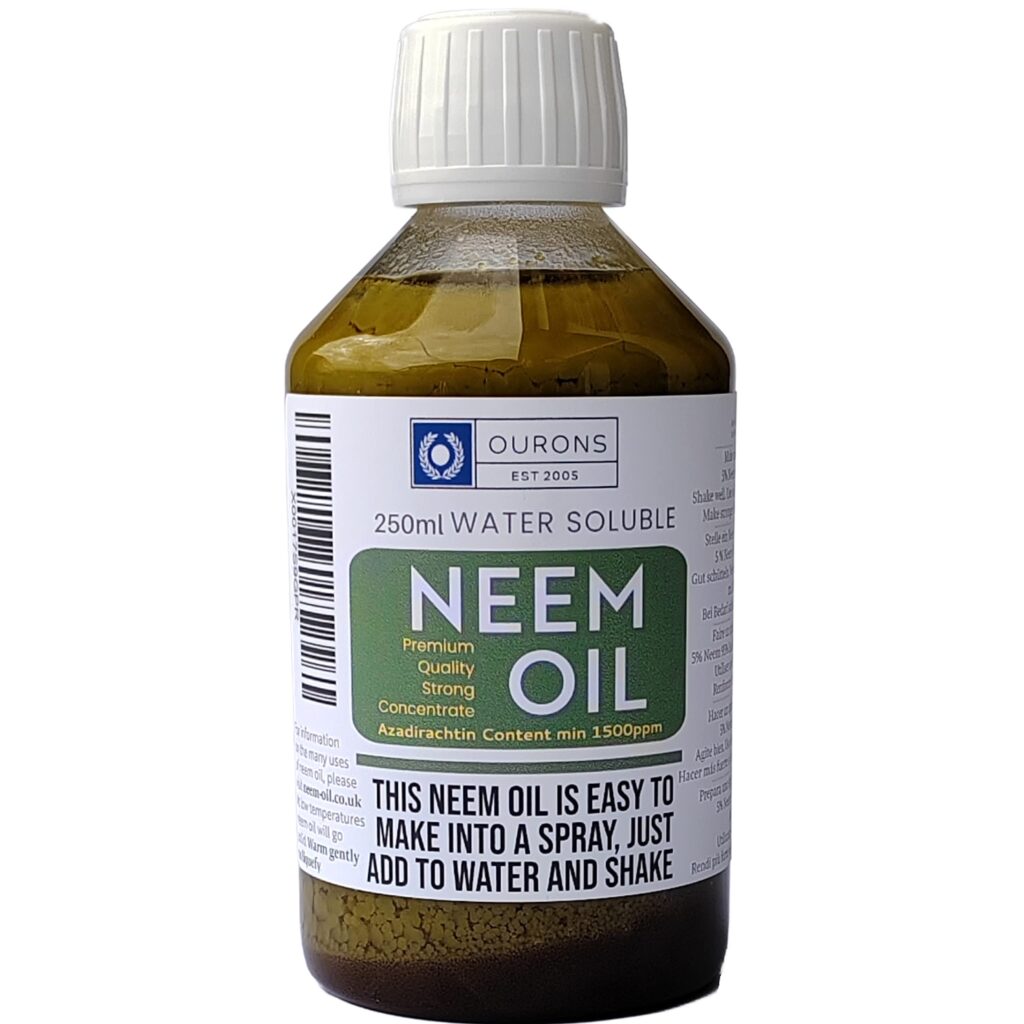
Neem oil, also known as Shajar-e-Mubarak, is a miracle worker in the world of natural remedies. Derived from the seeds of the Azadirachta Indica tree, this oil has been used for centuries to treat various ailments, from skin conditions to insect-borne diseases. In this article, we will delve into the properties and uses of neem oil, exploring its benefits and applications in agriculture, cosmetics, and more.
What is Neem Oil?
Neem oil is a plant-based oil extracted from the seeds, leaves, bark, and roots of the Azadirachta Indica tree. It is rich in antioxidants and contains compounds with medicinal properties, making it an effective natural remedy for various health issues.
Properties of Neem Oil
Neem oil has several remarkable properties that make it a valuable resource:
- Antifungal and antibacterial: Neem oil’s antifungal and antibacterial properties make it an excellent treatment for skin conditions, wounds, and infections.
- Repellent: The oil repels insects, including mosquitoes, flies, and ticks, making it an effective natural insecticide.
- Anti-inflammatory: Neem oil has anti-inflammatory properties, which can help reduce redness, swelling, and pain.
Uses of Neem Oil
Neem oil is a versatile product with numerous applications:
Agricultural Uses
Neem oil is used as an organic pesticide in agriculture, controlling pests like aphids, whiteflies, and other insect-borne diseases. It can also be applied to crops to promote healthy growth and prevent fungal infections.
- Garden pest control: Mix neem oil with water according to the product’s instructions and spray it on your garden plants to repel pests.
- Fungicide: Use neem oil as a natural fungicide to treat fungal infections in your plants.
- Insecticide: Neem oil can be used to kill insects that are harmful to crops.
Cosmetic Uses
Neem oil is also used in cosmetics for its moisturizing, antibacterial, and anti-inflammatory properties:
- Skin treatment: Apply neem oil to acne-prone skin to reduce inflammation and promote healing.
- Hair care: Use neem oil as a natural hair mask to stimulate hair growth and improve scalp health.
- Lip balm: Neem oil can be used in lip balms to provide protection against chapped lips.
Health Remedies
Neem oil is used in traditional medicine to treat various ailments, including:
- Skin conditions: Neem oil can help treat eczema, acne, and other skin conditions.
- Infections: The oil’s antibacterial properties make it an effective treatment for wounds and infections.
- Mouthwash: Neem oil can be used as a natural mouthwash to prevent bad breath and gum disease.
Food Uses
Neem oil is also used in the food industry, particularly in traditional Indian cuisine:
- Vegetable oil: Neem oil is often extracted from seeds and used as vegetable oil.
- Frying oil: Neem oil can be used for frying, which helps to preserve the health of the ingredients.
How to Use Neem Oil
To get the most out of neem oil, follow these guidelines:
- Dilute the oil: Mix neem oil with a carrier oil like coconut or olive oil before applying it to your skin.
- Use in moderation: Start with small amounts and gradually increase as needed.
- Consult a doctor: If you have any underlying medical conditions, consult a doctor before using neem oil.
Safety Precautions
Neem oil can be toxic if ingested or used improperly. Follow these safety precautions:
- Avoid ingestion: Do not ingest neem oil or use it as a food product.
- Skin patch test: Before applying neem oil to your skin, perform a patch test on a small area to check for any adverse reactions.
- Eye protection: Wear protective eyewear when using neem oil around the eyes.
Conclusion
Neem oil is a natural wonder that has been used for centuries to treat various ailments. With its antifungal, antibacterial, and anti-inflammatory properties, it’s no wonder this oil has gained popularity worldwide. Whether you’re looking to use it as an agricultural pesticide or a cosmetic treatment, neem oil is definitely worth considering.
Frequently Asked Questions
- Is neem oil safe for human consumption?: No, neem oil should not be ingested.
- Can I use neem oil on my pets?: Yes, but consult with a veterinarian before using it on your pets.
- How do I store neem oil?: Store the oil in an airtight container in a cool, dark place.
Additional Tips and Precautions
- Avoid using neem oil on open wounds: Neem oil can slow down healing processes if used on open wounds.
- Be cautious with allergic reactions: If you experience any adverse reactions, discontinue use immediately.
- Use high-quality neem oil: Choose a reputable supplier to ensure the quality and purity of the product.


