
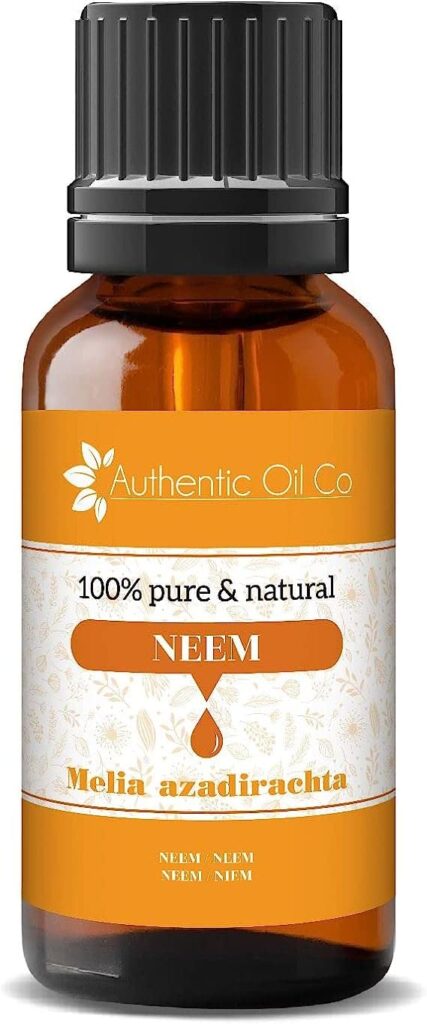
Neem oil, extracted from the seeds and fruits of the Neem tree (Azadirachta indica), has been a staple in traditional Indian medicine for centuries. Its versatility and numerous health benefits have made it a popular natural remedy in various fields, including cosmetics. In this article, we will delve into the world of Neem oil and explore its applications, properties, and uses in skincare, haircare, and beyond.
A Brief History of Neem Oil
Neem oil has been used for generations to treat a range of health issues, from skin conditions to parasites. Its antiseptic and anti-inflammatory properties have made it an essential ingredient in traditional Ayurvedic medicine. The Neem tree, also known as the “Tree of Life,” is native to the Indian subcontinent and has been cultivated for its medicinal properties since ancient times.
The use of Neem oil dates back to the Indus Valley Civilization, around 4000 BC. In Hindu mythology, the Neem tree was considered sacred and was associated with Lord Vishnu. The tree’s leaves were used in traditional Ayurvedic medicine to treat a range of health issues, including fever, rheumatism, and skin conditions.
The Composition of Neem Oil
Neem oil contains a unique blend of compounds, including:
- Sterols: beta-sitosterol, stigmasterol, campesterol, and tetrapenoids
- Essential fatty acids: linoleic acid (Omega-6), oleic acid (Omega-9), palmitic acid, stearic acid, and alpha-linolenic acid (Omega-3)
The composition of Neem oil can vary depending on factors such as the quality of the seeds, extraction methods, and storage conditions. However, its unique blend of compounds has made it an effective natural remedy for a range of health issues.
Properties of Neem Oil
Neem oil’s antiseptic and anti-inflammatory properties make it an excellent natural remedy for various skin conditions, including:
- Acne
- Herpes labiale
- Psoriasis
- Hives
- Smagliazioni
Its ability to reduce inflammation and fight off infections has made it a popular ingredient in skincare products. Neem oil’s antiseptic properties also make it effective against a range of bacterial and fungal infections, including acne-causing bacteria.
Neem oil’s anti-inflammatory properties have been shown to be beneficial in reducing redness and swelling associated with skin conditions such as psoriasis and eczema.
Applications of Neem Oil
Neem oil can be used in various ways, including:
- Skin care: Neem oil is rich in antioxidants and fatty acids that help to nourish and moisturize the skin. It can be used as a natural remedy for acne, psoriasis, and other skin conditions.
- Hair care: Neem oil can be used as a pre-shampoo treatment to nourish and condition the hair. It can also help to reduce dandruff and other scalp issues.
- Agriculture: Neem oil is a natural insecticide and can be used to protect crops from pests and diseases.
- Medicine: Neem oil has been used for centuries in traditional Indian medicine to treat a range of health issues, including fever, rheumatism, and skin conditions.
Using Neem Oil Safely
Before using Neem oil on your skin or hair, it’s essential to perform a patch test to ensure you don’t have any sensitivity or allergic reactions. You can also consult with a healthcare professional or dermatologist for advice on how to use Neem oil safely and effectively.
It’s also important to note that Neem oil can be irritating to some individuals, especially those with sensitive skin. Therefore, it’s recommended to start with a small patch test and gradually increase the amount of Neem oil used over time.
Benefits of Using Neem Oil
Using Neem oil can have a range of benefits, including:
- Reduced inflammation and itching associated with skin conditions
- Improved skin tone and texture
- Reduced appearance of fine lines and wrinkles
- Nourishment and moisturization of the hair
- Protection against pests and diseases in agriculture
Precautions When Using Neem Oil
While Neem oil is generally considered safe, there are some precautions to be aware of:
- Pregnancy and breastfeeding: There is limited research on the safety of Neem oil during pregnancy and breastfeeding. As a precaution, it’s recommended to avoid using Neem oil during these times.
- Allergic reactions: Some individuals may experience allergic reactions to Neem oil. If you experience any irritation or redness after using Neem oil, discontinue use immediately.
- Interactions with medications: Neem oil can interact with certain medications, including blood thinners and diabetes medications. Consult with a healthcare professional before using Neem oil if you are taking any medications.
Combining Neem Oil with Other Natural Remedies
Neem oil can be used in combination with other natural remedies to enhance its effectiveness. Some popular combinations include:
- Coconut oil: Coconut oil is rich in fatty acids that complement Neem oil’s antiseptic and anti-inflammatory properties.
- Tea tree oil: Tea tree oil has antimicrobial properties that can help to reduce inflammation and fight off infections associated with skin conditions.
- Lavender oil: Lavender oil has a calming effect on the skin and can be used to reduce redness and swelling associated with skin conditions.
Choosing the Right Quality of Neem Oil
When choosing a Neem oil product, look for products that are labeled as 100% pure and organic. Avoid products that contain additives or chemicals, which can compromise the effectiveness and safety of the oil.
Some popular brands of Neem oil include:
- Nature’s Bounty: This brand offers a range of Neem oil products, including creams, lotions, and oils.
- NOW Foods: NOW Foods is a well-known brand in the natural health industry, offering a range of Neem oil products.
- Dr. Hauschka: Dr. Hauschka is a high-end skincare brand that offers a range of Neem oil products.
Conclusion
Neem oil is a versatile natural remedy that has been used for centuries in traditional Indian medicine. Its antiseptic and anti-inflammatory properties make it an excellent natural remedy for various skin conditions, including acne, psoriasis, and other skin issues. Whether you’re looking to nourish your hair, protect your crops from pests, or treat a range of health issues, Neem oil is definitely worth exploring.
Frequently Asked Questions
Q: Is Neem oil safe for use on the skin?
A: Yes, Neem oil is generally considered safe for use on the skin. However, it’s essential to perform a patch test before using it extensively.
Q: Can I use Neem oil as a substitute for other skincare products?
A: No, Neem oil should not be used as a substitute for other skincare products without consulting with a healthcare professional or dermatologist first.
Q: How do I store Neem oil?
A: Neem oil can be stored in an airtight container at room temperature. However, it’s essential to keep it away from direct sunlight and heat sources.
Q: Can I use Neem oil on my hair?
A: Yes, Neem oil can be used as a pre-shampoo treatment or as a natural remedy for dandruff and other scalp issues.
Q: Is Neem oil effective against parasites?
A: Yes, Neem oil has been shown to be effective against a range of parasites, including mosquitoes and ticks.
Q: Can I use Neem oil on my face?
A: Yes, Neem oil can be used as a natural remedy for acne, psoriasis, and other skin conditions. However, it’s essential to perform a patch test before using it extensively.
Q: How do I choose the right quality of Neem oil?
A: When choosing a Neem oil product, look for products that are labeled as 100% pure and organic. Avoid products that contain additives or chemicals.
Q: Can I use Neem oil with other natural remedies?
A: Yes, Neem oil can be used in combination with other natural remedies, such as coconut oil and tea tree oil, to enhance its effectiveness. However, always consult with a healthcare professional or dermatologist before using multiple products together.


