
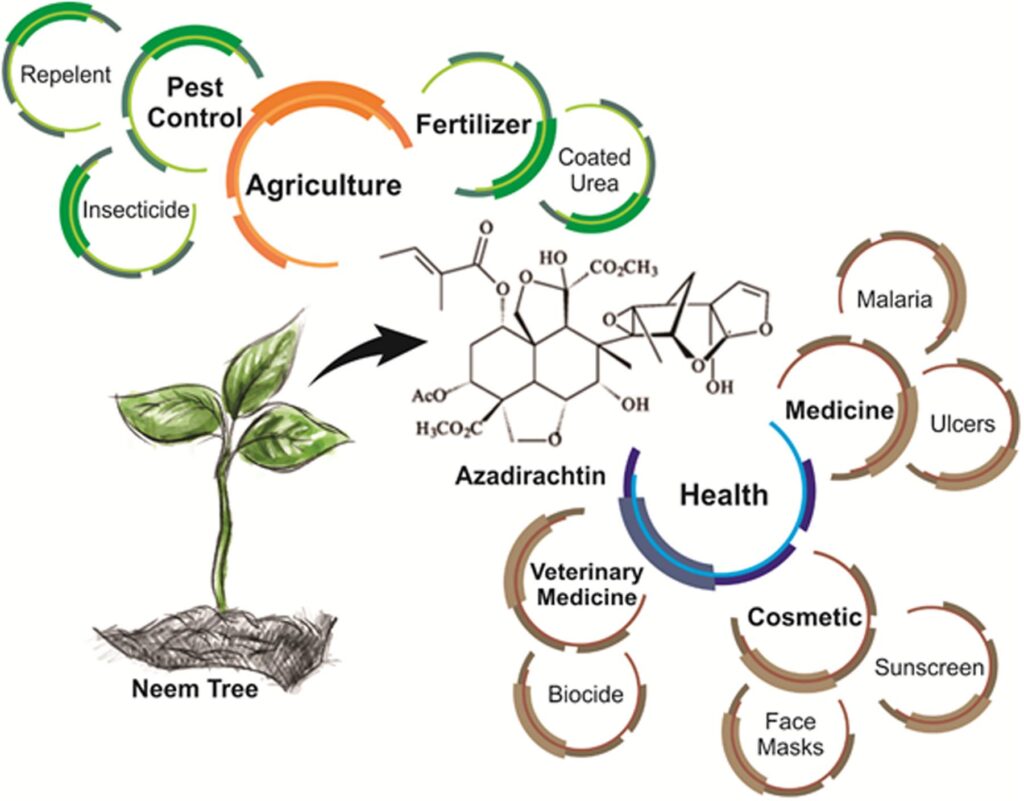
As an integral part of traditional Indian medicine and agriculture, neem has been used for centuries to promote growth, health, and pest control. In this article, we will delve into the world of neem and explore its applications in agriculture, highlighting its benefits, uses, and tips on how to incorporate it into your farming practices.
What is Neem?
Neem, scientifically known as Azadirachta Indica, is a subtropical tree native to India. It has been used for over 2,000 years in various traditional medicine systems, including Ayurveda, to treat a range of ailments. The tree’s leaves, seeds, and bark contain compounds that give it its unique properties.
The Benefits of Neem in Agriculture
Neem is an excellent natural pesticide, insecticide, and fungicide that can be used to control pests and diseases in crops. It has also been shown to improve soil health by increasing fertility and structure.
In agriculture, neem is often used as a natural alternative to chemical pesticides and fertilizers. Its benefits include:
- Reducing the use of synthetic chemicals
- Promoting biodiversity
- Improving crop yields
Neem in Agriculture: How to Use it
There are two main forms of neem used in agriculture: neem oil and neem powder (or farina). Neem oil is extracted from the seeds and has been shown to be effective against a range of pests, including insects, mites, and nematodes.
Neem powder, on the other hand, is made by grinding the seeds into a fine powder. It can be used as a natural fertilizer and pest control agent.
Using Neem Powder in Agriculture
Here are some tips on how to use neem powder in your agriculture practices:
- Mix it with water to create a spray that can be applied to crops
- Add it to compost piles to improve soil health
- Use it as a natural fertilizer by mixing it with other organic fertilizers
Using Neem Oil in Agriculture
Here are some tips on how to use neem oil in your agriculture practices:
- Mix it with water and spray it on crops to control pests
- Add it to irrigation systems to prevent fungal diseases
- Use it as a natural pesticide by mixing it with other organic pesticides
Why Use Neem in Agriculture?
Neem is an excellent choice for farmers looking to reduce their use of synthetic chemicals. It is also an environmentally friendly option that promotes biodiversity and improves soil health.
By incorporating neem into your agriculture practices, you can:
- Reduce the risk of pests and diseases
- Improve crop yields
- Promote sustainable farming practices
Conclusion
Neem is a powerful tool for farmers looking to improve their crops’ health and reduce their use of synthetic chemicals. Its natural properties make it an excellent choice for pest control, fertilization, and soil improvement.
By understanding how to use neem in agriculture, you can take the first step towards a healthier and more sustainable farming practice.
Frequently Asked Questions
Q: Is neem safe for human consumption?
A: Neem is generally considered safe for human consumption when used in moderation. However, it’s recommended to consult with a healthcare professional before consuming neem products.
Q: Can I grow neem trees on my farm?
A: Yes, you can grow neem trees on your farm. They are relatively easy to care for and can provide shade and pest control benefits.
Q: Is neem oil effective against all pests?
A: Neem oil is effective against a range of pests, including insects, mites, and nematodes. However, it may not be as effective against larger pests or those that have developed resistance.
Q: Can I use neem powder on all crops?
A: No, neem powder should not be used on all crops. It’s recommended to consult with a gardening expert before using neem powder on sensitive or newly planted crops.
Q: How often can I apply neem oil?
A: Neem oil should be applied every 7-10 days to maintain its effectiveness against pests.
Q: Can I use neem oil and powder together?
A: Yes, you can use neem oil and powder together. However, it’s recommended to mix them in a specific ratio to avoid over-applying or under-applying the products.
Q: Is neem powder toxic to animals?
A: Neem powder is generally considered non-toxic to animals. However, it’s recommended to consult with a veterinarian before using neem powder on your pets.
Neem Oil and Pest Control
Neem oil is an excellent natural pesticide that can be used to control pests in agriculture. It works by disrupting the hormone systems of insects, preventing them from reproducing and eventually killing them.
Some common pests controlled by neem oil include:
- Aphids
- Whiteflies
- Spider mites
- Caterpillars
Neem oil can also be used to control fungal diseases in crops. It works by inhibiting the growth of fungi, preventing them from infecting plants and causing damage.
Neem Powder and Fertilization
Neem powder is a natural fertilizer that can be used to improve soil health. It contains nutrients such as nitrogen, phosphorus, and potassium, which are essential for plant growth.
When using neem powder as a fertilizer, it’s recommended to mix it with other organic fertilizers, such as compost or manure. This helps to maintain the balance of nutrients in the soil and prevent over-fertilization.
Neem and Soil Health
Neem has been shown to improve soil health by increasing fertility and structure. It contains compounds that help to break down organic matter, making it available to plants for absorption.
When using neem in agriculture, it’s recommended to mix it with other natural substances, such as compost or manure. This helps to maintain the balance of nutrients in the soil and prevent over-fertilization.
Conclusion
Neem is a powerful tool for farmers looking to improve their crops’ health and reduce their use of synthetic chemicals. Its natural properties make it an excellent choice for pest control, fertilization, and soil improvement.
By understanding how to use neem in agriculture, you can take the first step towards a healthier and more sustainable farming practice.
Neem in Traditional Medicine
Neem has been used for centuries in traditional medicine systems, including Ayurveda. It is believed to have numerous health benefits, including:
- Anti-inflammatory properties
- Antimicrobial properties
- Antioxidant properties
Neem has also been shown to have a number of other health benefits, including reducing inflammation and improving immune function.
Conclusion
Neem is a powerful tool for farmers looking to improve their crops’ health and reduce their use of synthetic chemicals. Its natural properties make it an excellent choice for pest control, fertilization, and soil improvement.
By understanding how to use neem in agriculture, you can take the first step towards a healthier and more sustainable farming practice.
Neem in Pest Control: A Natural Alternative
Neem oil is an effective natural pesticide that can be used to control pests in agriculture. It works by disrupting the hormone systems of insects, preventing them from reproducing and eventually killing them.
Some common pests controlled by neem oil include:
- Aphids
- Whiteflies
- Spider mites
- Caterpillars
Neem oil is also effective against fungal diseases in crops. It works by inhibiting the growth of fungi, preventing them from infecting plants and causing damage.
Tips for Using Neem Oil
When using neem oil, it’s recommended to mix it with water and spray it on crops. The concentration of neem oil should be 2-4% of the total solution.
Neem oil can also be used as a preventative measure against pests and diseases. It’s recommended to apply it regularly, especially during peak pest activity.
Tips for Using Neem Powder
When using neem powder, it’s recommended to mix it with water to create a spray that can be applied to crops. The concentration of neem powder should be 1-2% of the total solution.
Neem powder can also be used as a natural fertilizer. It’s recommended to mix it with other organic fertilizers, such as compost or manure.
Conclusion
Neem is a powerful tool for farmers looking to improve their crops’ health and reduce their use of synthetic chemicals. Its natural properties make it an excellent choice for pest control, fertilization, and soil improvement.
By understanding how to use neem in agriculture, you can take the first step towards a healthier and more sustainable farming practice.
Neem in Agriculture: A Sustainable Alternative
Neem is an excellent natural alternative to synthetic pesticides and fertilizers. Its benefits include:
- Reducing the use of synthetic chemicals
- Promoting biodiversity
- Improving crop yields
By incorporating neem into your agriculture practices, you can promote sustainable farming practices and reduce your environmental impact.
Conclusion
Neem is a powerful tool for farmers looking to improve their crops’ health and reduce their use of synthetic chemicals. Its natural properties make it an excellent choice for pest control, fertilization, and soil improvement.
By understanding how to use neem in agriculture, you can take the first step towards a healthier and more sustainable farming practice.
Neem Oil and Pest Control: A Natural Alternative
Neem oil is an effective natural pesticide that can be used to control pests in agriculture. It works by disrupting the hormone systems of insects, preventing them from reproducing and eventually killing them.
Some common pests controlled by neem oil include:
- Aphids
- Whiteflies
- Spider mites
- Caterpillars
Neem oil is also effective against fungal diseases in crops. It works by inhibiting the growth of fungi, preventing them from infecting plants and causing damage.
Tips for Using Neem Oil
When using neem oil, it’s recommended to mix it with water and spray it on crops. The concentration of neem oil should be 2-4% of the total solution.
Neem oil can also be used as a preventative measure against pests and diseases. It’s recommended to apply it regularly, especially during peak pest activity.
Tips for Using Neem Powder
When using neem powder, it’s recommended to mix it with water to create a spray that can be applied to crops. The concentration of neem powder should be 1-2% of the total solution.
Neem powder can also be used as a natural fertilizer. It’s recommended to mix it with other organic fertilizers, such as compost or manure.


