
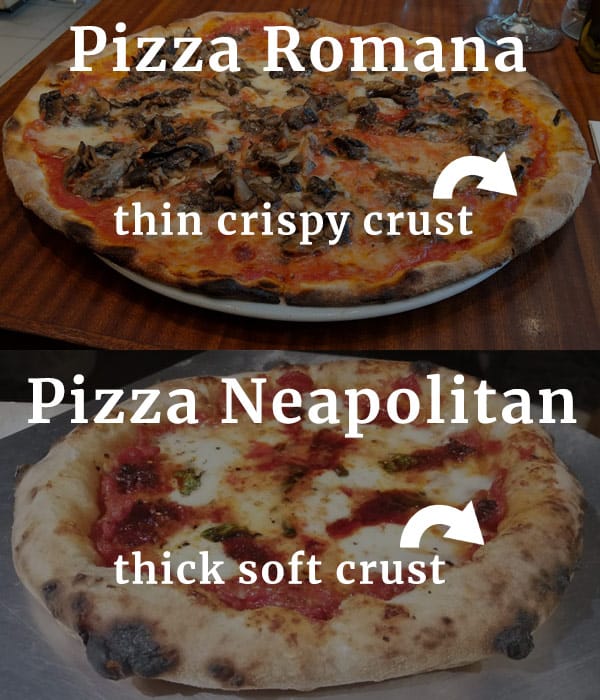
The world of Italian pizzas is rich in history, culture, and diversity. Both Neapolitan and Roman pizzas have their unique characteristics, ingredients, and cooking methods that set them apart from one another. In this article, we’ll delve into the world of Italian pizzas, exploring the differences between Neapolitan and Roman pizzas.
The History of Neapolitan Pizza
Neapolitan pizza is often considered the gold standard of pizzas worldwide. Its origins date back to the 18th century in Naples, Italy, where it was born out of simplicity and tradition. This style of pizza is characterized by its soft crust, flavorful sauce, and blend of mozzarella and Parmesan cheese.
One key difference between Neapolitan and Roman pizzas lies in their dough. Neapolitan pizza has a thin crust with a soft center, achieved through the use of high-gluten flour, water, salt, yeast, and a slower rising process. This method allows for a more delicate flavor profile and texture. On the other hand, Roman pizza boasts a thicker crust, often up to 30 mm in thickness, which provides a crunchier texture.
The Evolution of Roman Pizza
Roman pizza, also known as “pizza alta,” has undergone significant changes since its inception in the late 1980s. Its rise to fame can be attributed to innovative techniques and ingredients. Unlike Neapolitan pizza, Roman pizza’s crust is made with a higher proportion of semolina flour, which adds more texture and body.
Roman pizza also differs from Neapolitan pizza due to its cooking method. The pizza is cooked in a specialized oven called a forno or pala, where it’s placed on a long metal tray. This unique setup allows for even heat distribution and crispy crusts. Another notable difference lies in the topping: Roman pizzas often feature a lighter coating of sauce, allowing the flavors of other ingredients to shine.
The Disciplinare de La Pizza: The Ultimate Guide to Authentic Roman Pizza
In 2005, an association called Confraternita della Pizza created the Disciplinare de La Pizza, a comprehensive guide outlining the traditional method for making authentic Roman pizzas. This document serves as a benchmark for both enthusiasts and professional pizzaiolos.
To qualify as authentic Roman pizza, the following standards must be met:
- Dough: The crust should have an elevated hydration level (around 80-90% of the flour’s weight) and a smooth, elastic texture.
- Shape: The crust should have a high “cornicione” or ridge around the edge, without any excess dough hanging off.
- Surface: The surface should be dry and ungreased, allowing for a crispy texture.
A Recipe for Authentic Roman Pizza
To make an authentic Roman pizza at home, follow this recipe:
Ingredients:
* 1 kg of type “00” or 0 flour
* Water
* Salt
* Yeast
* Extra-virgin olive oil
* Parmesan cheese
* Toppings (such as prosciutto, salsiccia, and scamorza)
Instructions:
1. Dough preparation: Mix the ingredients together to create a smooth dough.
2. Rising: Allow the dough to rise for at least 24 hours in the refrigerator.
3. Shaping: Roll out the dough into thin sheets, using a combination of hands and rolling pin.
4. Baking: Cook the pizza in a preheated oven (around 230°C) for 10-15 minutes.
By following this recipe, you’ll be able to create an authentic Roman pizza that showcases its unique characteristics and flavor profile. Practice makes perfect, so keep experimenting until you find your ideal combination of ingredients and cooking techniques.
Tips and Tricks for Making Authentic Roman Pizza
- High-quality ingredients: Use the finest quality ingredients available to ensure a superior flavor profile.
- Proper dough handling: Handle the dough gently to avoid over-working it, which can lead to a tough crust.
- Even heat distribution: Ensure that the oven is heated evenly, as this affects the final texture and crispiness of the crust.
Conclusion
The world of Italian pizzas is rich in history, culture, and diversity. By understanding the differences between Neapolitan and Roman pizzas, you’ll be better equipped to appreciate their unique characteristics and flavor profiles. Whether you’re a seasoned pizza enthusiast or just starting your culinary journey, practicing authentic Roman pizza recipes will help you unlock new flavors and textures.
Frequently Asked Questions (FAQs)
- Q: What makes Neapolitan pizza so special?
A: The combination of high-gluten flour, water, salt, yeast, and a slower rising process create a soft crust with a delicate flavor profile. - Q: How do I make authentic Roman pizza at home?
A: To make an authentic Roman pizza, use a recipe that includes type “00” or 0 flour, high-quality ingredients, and follow proper dough handling techniques. - Q: What is the secret to achieving a crispy crust on Roman pizzas?
A: Even heat distribution in the oven is crucial for achieving a crispy crust. Make sure your oven is preheated to the correct temperature before baking your pizza.
Additional Resources
For those interested in learning more about Italian pizzas and their history, consider exploring these resources:
- The Art of Neapolitan Pizza: A comprehensive guide to making authentic Neapolitan pizzas at home.
- Roman Pizzas: An online community dedicated to sharing recipes, techniques, and stories related to Roman pizzas.
- Pizza Making Classes: Local cooking schools or culinary institutes offering pizza-making courses.
Whether you’re a seasoned food enthusiast or just starting your culinary journey, experimenting with different pizza styles and ingredients will help you unlock new flavors and textures. Happy cooking!


