
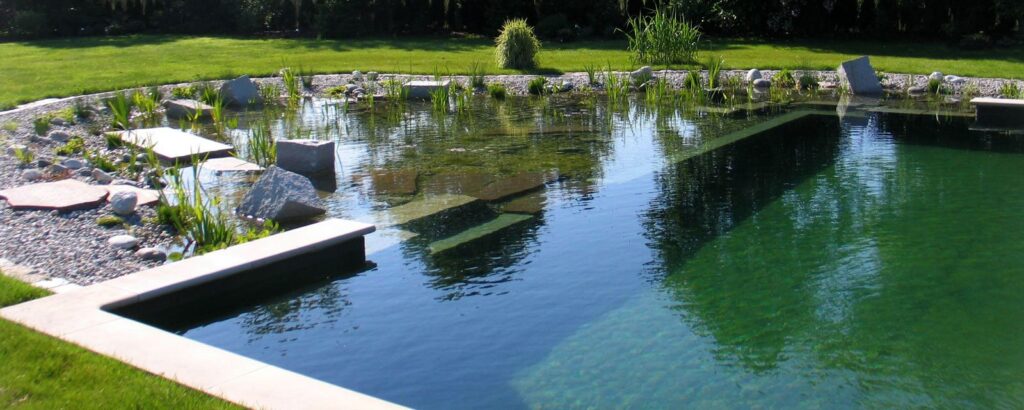
Understanding the Basics of Natural Ponds
A natural pond is an artificial body of water that mimics the ecosystem found in nature, without relying on chemicals for maintenance. Unlike traditional ponds, which require harsh chemicals to keep the water clean, natural ponds rely on the natural balance of flora and fauna to maintain their clarity.
However, creating and maintaining a natural pond can be challenging, requiring dedication, patience, and research. If you’re considering building your own natural pond, it’s essential to understand the process involved and the specific needs of each environment.
The Importance of Balance in Natural Ponds
Natural ponds are self-sustaining ecosystems that require a delicate balance of plants, animals, and microorganisms to thrive. The water quality is maintained through the natural processes of filtration and oxygenation, which occur when plants absorb excess nutrients from the water.
In a natural pond, there are several key components that work together to maintain this balance:
- Vegetation: Plants play a crucial role in maintaining the health of a natural pond. They absorb excess nutrients, provide shade, and support aquatic life.
- Microorganisms: Microbes, such as bacteria and fungi, break down organic matter and recycle nutrients, helping to maintain water quality.
- Fauna: Aquatic animals, like fish and insects, contribute to the ecosystem by controlling algae growth and providing food for other organisms.
Designing a Natural Pond
When designing a natural pond, consider the following factors:
- Location: Choose a location that receives sufficient sunlight and is protected from strong winds.
- Size: Determine the size of your pond based on your available space and the number of users.
- Depth: A minimum depth of 4-6 feet is recommended to prevent algae growth and support aquatic life.
Planting a Natural Pond
Planting a natural pond requires careful consideration of the types of plants to use:
- Floating plants: Plants like water lilies and duckweed provide shade, absorb excess nutrients, and support aquatic life.
- Submerged plants: Plants like cattails and hornwort help filter the water and provide habitat for aquatic animals.
Types of Natural Ponds
There are several types of natural ponds that you can create:
- Biological pond: A biological pond is a type of natural pond that uses beneficial bacteria to break down organic matter and maintain water quality.
- Ecosystem pond: An ecosystem pond is a type of natural pond that mimics the natural environment, with plants and animals working together to maintain balance.
Maintenance Tips
Here are some additional tips for maintaining your natural pond:
- Regularly clean the pond: Regularly clean the pond by removing debris and excess nutrients.
- Monitor water levels: Monitor the water level regularly to prevent overflow or stagnation.
- Add beneficial bacteria: Add beneficial bacteria to the pond to break down organic matter and maintain water quality.
Common Issues
Here are some common issues that you may encounter when maintaining a natural pond:
- Algae blooms: Algae blooms can occur if there is too much nutrient present in the water.
- Water quality issues: Water quality issues can occur if there are too many contaminants present in the water.
- Pond erosion: Pond erosion can occur if the pond is not properly maintained or if there is heavy rainfall.
Conclusion
Creating a natural pond is a rewarding experience that requires dedication and research. By understanding the basics of natural ponds and following these guidelines, you can design and maintain a thriving ecosystem that supports aquatic life and provides a serene oasis for relaxation and recreation.
A natural pond is a unique and fascinating ecosystem that requires careful planning and maintenance. With the right knowledge and equipment, you can create a beautiful and functional natural pond that brings joy and serenity to your life.
Benefits of Natural Ponds
Here are some benefits of having a natural pond:
- Water quality: A natural pond can help maintain water quality by filtering out impurities and excess nutrients.
- Aquatic life: A natural pond provides habitat for aquatic animals, such as fish and insects.
- Aesthetic appeal: A natural pond is aesthetically pleasing and provides a serene oasis for relaxation.
Conclusion
Creating a natural pond can be a rewarding experience that requires dedication and research. By understanding the basics of natural ponds and following these guidelines, you can design and maintain a thriving ecosystem that supports aquatic life and provides a serene oasis for relaxation and recreation.
A natural pond is a unique and fascinating ecosystem that requires careful planning and maintenance. With the right knowledge and equipment, you can create a beautiful and functional natural pond that brings joy and serenity to your life.


