
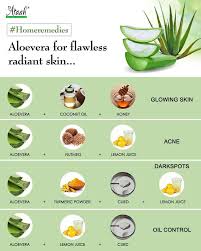
Aloe vera is a versatile plant that has been used for centuries to promote overall health and well-being. Its gel-like substance is rich in nutrients and antioxidants, making it an effective natural remedy for a variety of ailments. In this article, we’ll explore the properties of aloe vera, how to prepare homemade remedies using its gel, and some popular uses for this incredible plant.
Getting Started with Aloe Vera: Growing and Harvesting
Aloe vera is easy to cultivate and requires minimal care. With proper conditions, it can thrive in your home garden or indoor pots. To harvest the gel, simply cut off a mature leaf and remove the outer skin. The clear, jelly-like substance inside is packed with nutrients and can be used for various remedies.
Growing Aloe Vera: Tips and Tricks
If you’re new to growing aloe vera, here are some tips to help you get started:
- Choose a pot with good drainage to prevent waterlogged soil.
- Place the plant in a bright, sunny spot with temperatures between 65°F-80°F (18°C-27°C).
- Water sparingly, allowing the soil to dry out completely between waterings.
- Fertilize your plant during the growing season (spring-fall) with a balanced fertilizer.
- Prune old or damaged leaves to maintain shape and promote new growth.
Harvesting Aloe Vera Gel: A Step-by-Step Guide
To harvest aloe vera gel, follow these steps:
- Choose a mature leaf from your plant. The ideal time is when the leaf has fully developed and its color is pale green.
- Remove the outer skin of the leaf using a sharp knife or scissors. Avoid cutting too deeply into the leaf, as this can damage the inner gel.
- Cut off the leaf at the base, about 1-2 inches (2.5-5 cm) from the stem.
- Place the leaf in water for 30 minutes to an hour, allowing it to release its gel.
- After soaking, remove the leaf and discard the outer skin.
- Scoop out the clear, jelly-like substance inside using a spoon or spatula.
Preparing Homemade Aloe Vera Gel
Now that you’ve harvested your aloe vera gel, you can prepare it for use in various remedies. Here’s a simple recipe:
Ingredients:
- 1 cup aloe vera gel
- 1 tablespoon honey (optional)
- 1 tablespoon lemon juice (optional)
Instructions:
- Mix the aloe vera gel with honey and lemon juice, if using.
- Transfer the mixture to an airtight container.
- Store the gel in the refrigerator for up to 6 months.
Where to Buy Aloe Vera Gel
If you don’t have an aloe vera plant at home, you can purchase gel from health food stores, online retailers, or specialty shops. Look for products that are:
- 100% organic and free of additives
- Made from high-quality aloe vera plants
- Stored in the refrigerator to maintain potency
Using Aloe Vera as a Natural Remedy
Aloe vera has numerous benefits for skin, hair, and overall well-being. Here are some popular uses:
Wound Healing and Skin Soothing
- Apply the gel directly to minor cuts and scrapes to promote healing.
- Use it as a natural astringent to reduce inflammation and redness.
Sun Protection and Hydration
- Apply aloe vera gel after showering or bathing to lock in moisture and protect your skin from the sun’s damaging rays.
Hair Care and Nourishment
- Use aloe vera gel as an impasto mask for dry, damaged hair.
- Leave it on for 10-15 minutes before rinsing for added hydration and shine.
Treating Itchy Skin and Irritation
- Apply aloe vera gel to irritated skin after insect bites or stings.
- Use it to soothe sunburned skin and reduce inflammation.
Relieving Stress and Anxiety
- Drink aloe vera juice mixed with water or other beverages to reap its calming effects.
Additional Uses for Aloe Vera
Aloe vera can also be used:
- As a natural exfoliant in scrubs and face masks.
- To soothe mouth sores and gum inflammation.
- In hair care products, such as shampoos and conditioners, to nourish and moisturize hair.
Benefits of Aloe Vera for Skin
Aloe vera has numerous benefits for skin, including:
- Hydration: Aloe vera gel helps lock in moisture and soothe dry, irritated skin.
- Anti-inflammatory properties: Aloe vera reduces inflammation and redness, making it an effective treatment for acne and rosacea.
- Antioxidant properties: Aloe vera protects the skin from environmental stressors and oxidative damage.
Benefits of Aloe Vera for Hair
Aloe vera can also be used to nourish and moisturize hair, including:
- Hydration: Aloe vera gel helps lock in moisture and reduce dryness.
- Protein content: Aloe vera contains vitamins and minerals that promote healthy hair growth.
- Scalp health: Aloe vera soothes an itchy scalp and reduces dandruff.
Benefits of Aloe Vera for Digestive Health
Aloe vera has numerous benefits for digestive health, including:
- Soothing digestive issues: Aloe vera gel can help alleviate symptoms of IBS (irritable bowel syndrome) and acid reflux.
- Anti-inflammatory properties: Aloe vera reduces inflammation in the digestive tract and alleviates symptoms of irritable bowel disease.
- Antioxidant properties: Aloe vera protects the digestive system from oxidative damage.
Conclusion: Unlock the Power of Aloe Vera
Aloe vera is an incredibly versatile plant with a wealth of benefits for skin, hair, and overall well-being. By growing your own plant or using high-quality store-bought gel, you can unlock its full potential and experience the transformative power of this natural remedy.
Frequently Asked Questions (FAQs)
Q: Is aloe vera safe to consume?
A: Yes, aloe vera is generally considered safe for human consumption. However, consult with your doctor or healthcare professional before taking it as a supplement or using it as a treatment for specific medical conditions.
Q: Can I use aloe vera on sensitive skin?
A: While aloe vera is usually gentle and soothing, some people may experience allergic reactions or irritation. Perform a patch test before using it extensively to ensure you don’t have any adverse effects.
Q: Is there an expiration date for aloe vera gel?
A: Aloe vera gel typically has a shelf life of 6-12 months when stored properly in the refrigerator. Always check the product label and follow storage instructions.
Q: Can I grow aloe vera indoors?
A: Yes, aloe vera can be grown indoors with proper care and conditions. Choose a pot with good drainage to prevent waterlogged soil.
Q: Is aloe vera suitable for babies and children?
A: While aloe vera is generally considered safe, consult with your pediatrician or healthcare professional before using it on infants or young children due to potential skin sensitivity.
Q: Can I use aloe vera as a substitute for sunscreen?
A: No, aloe vera does not provide sufficient protection against UV rays. Always apply a broad-spectrum sunscreen with an SPF of at least 30 and reapply every two hours.
Q: How often should I use aloe vera gel on my skin?
A: Apply aloe vera gel as needed, but ideally after showering or bathing to lock in moisture and protect your skin from the sun’s rays.


