
In the realm of natural remedies, two herbs stand out for their versatility and therapeutic properties: verbena and cedrina. Both plants have been used for centuries to alleviate various health issues, from nervousness and insomnia to migraines and digestive problems. However, there are some key differences between these two related herbs that make them unique and worth exploring.
What’s the Difference Between Verbena and Cedrina?
Verbena and cedrina are essentially the same thing, with verbena odorosa being referred to as erba cedrina in some regions. The two types of verbena belong to different categories: Verbena officinale is a traditional herb used for centuries, while verbena odorosa is more modern and originated from South America.
Verbena officinale has been growing wild in Europe for centuries, often found in areas with poor soil quality. It’s a hardy plant that can thrive in various conditions, making it a popular choice among herbalists. Verbena odorosa, on the other hand, was first introduced to Europe from South America around 1700 and is now cultivated worldwide.
Historical Context: Where Do These Plants Come From?
The history of these plants dates back thousands of years, with ancient civilizations using them for various purposes. The Greek physician Hippocrates (460-370 BCE) used verbena officinale to treat a range of ailments, from indigestion to insomnia. Similarly, the Incas and other South American cultures revered verbena odorosa for its medicinal properties.
Verbena officinale has been grown wild in Europe for centuries, often found in areas with poor soil quality. It’s a hardy plant that can thrive in various conditions, making it a popular choice among herbalists. Verbena odorosa was first introduced to Europe from South America around 1700 and is now cultivated worldwide.
Curative Properties: What Can These Plants Do?
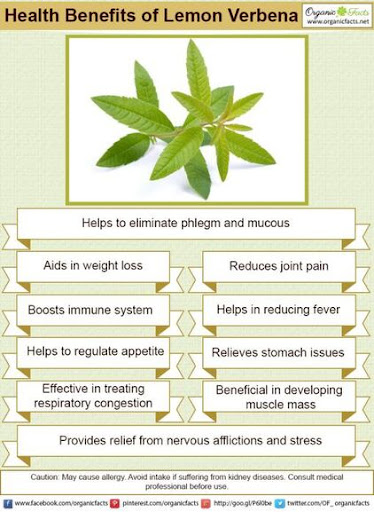
Both verbena officinale and cedrina have similar therapeutic properties, with the main difference being that cedrina is more potent. Verbena officinale is often used as a tonic to alleviate nervousness, insomnia, and digestive issues. Cedrina, due to its stronger presence, is also effective against migraines, vertigo, and mental exhaustion.
Research has shown that verbena contains various bioactive compounds, including flavonoids, phenolic acids, and terpenes, which contribute to its therapeutic properties. Similarly, cedrina’s potency can be attributed to the high concentration of essential oils, particularly linalool and geraniol, which have been shown to have a calming effect on the nervous system.
How to Use These Plants: Infusions and More
Both types of verbena are commonly consumed in the form of infusions. For verbena officinale, 10-15 pinches of dried herb per liter of water is a good starting point. For cedrina, the recommended dose is lower, around 3 pinches of leaves and flowers per liter of water.
You can also use these herbs to make hand and foot baths using a small amount of essential oil. This can be an effective way to relax and rejuvenate your skin.
Using Verbena Odorosa in Everyday Life
Verbena odorosa stands out from its cousin due to its versatility. Apart from herbal tea, you can use it to make delicious gelato, flavor meats and fish for grilling, add a citrusy twist to marinades and salads, create fragrant homemade candies, and even perfume your bedding with dried leaves.
The aroma of verbena odorosa is often described as sweet and citrusy, making it a popular choice for skincare products. The herb’s antioxidant properties also make it an excellent addition to face masks and creams.
Harvesting Verbena: Tips for the Home Grower
To find verbena officinale in the wild or cultivate it in your garden, simply look for areas with poor soil quality. Cut off the stems before they reach full bloom and dry them out to make herbal tea.
For cedrina, you’ll need a rich, well-drained soil and frequent watering during the summer months. Harvest the leaves and flowers as soon as they bloom.
Growing Verbena at Home
Verbena officinale is hardy and can thrive in poor conditions, making it an excellent choice for gardeners with limited space or poor soil quality. To grow verbena at home, simply sow the seeds in well-draining soil and provide plenty of sunlight.
Cedrina prefers a rich, well-drained soil with regular watering during summer months. Make sure to harvest the leaves and flowers regularly to encourage bushy growth.
Precautions When Using Verbena
As with any herbal remedy, consult a healthcare professional before using cedrina if you have underlying medical conditions. Cedrina’s potency can also interact with certain medications, such as blood thinners and sedatives.
Conclusion
In conclusion, both verbena officinale and cedrina have their unique properties and uses. From infusions to everyday life applications, these plants offer various benefits for our health and wellbeing. Whether you’re a seasoned herbalist or just starting out, understanding the differences between these two related herbs can help you make informed choices about your natural remedies.
Frequently Asked Questions
Q: What’s the difference between verbena officinale and cedrina?
A: Verbena officinale is an older herb with traditional uses, while cedrina is a more modern plant with stronger curative properties.
Q: Where can I find these plants in nature?
A: Verbena officinale grows wild in Europe, often in areas with poor soil quality. Cedrina was introduced to Europe from South America and is now cultivated worldwide.
Q: What are the health benefits of using verbena?
A: Both herb types have similar properties, but cedrina’s potency gives it an edge against certain conditions like migraines and vertigo.
Q: Can I use these plants for food and cooking?
A: Yes! Verbena odorosa is great for adding a citrusy twist to various dishes, from meats to desserts.
Q: How do I harvest these herbs?
A: Cut off the stems of verbena officinale before full bloom and dry them out. For cedrina, use well-drained soil and frequent watering during summer months.
Q: Can I grow these plants at home?
A: Yes! Verbena officinale is hardy and can thrive in poor conditions. Cedrina prefers a rich, well-drained soil with regular watering during summer months.
Q: How do I prepare the herbs for consumption?
A: Both types of verbena are best consumed as infusions, using 10-15 pinches of dried herb or leaves per liter of water.
Q: Are there any precautions to take when using these plants?
A: As with any herbal remedy, consult a healthcare professional before using cedrina if you have underlying medical conditions.


