
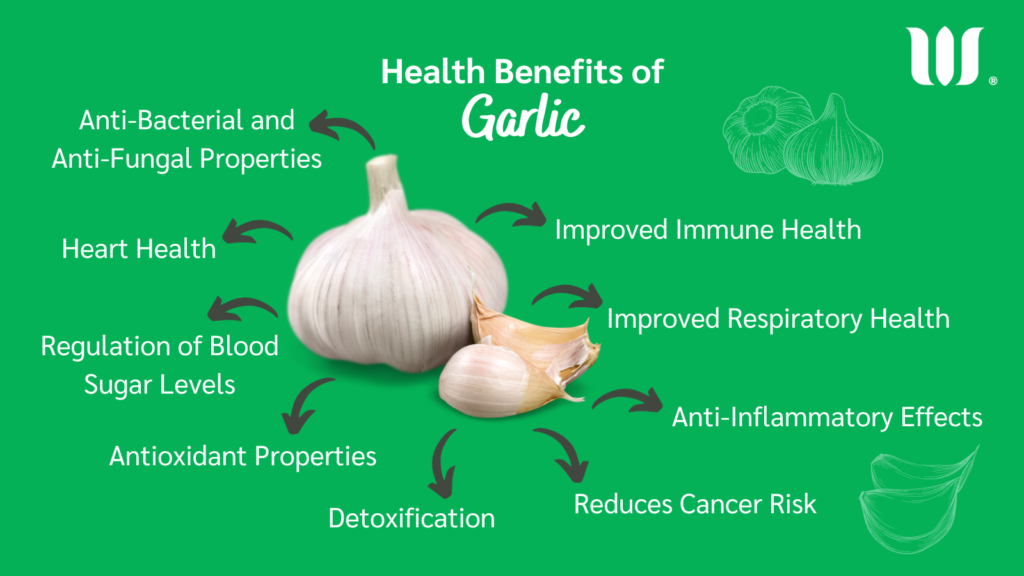
Garlic is one of the most versatile and nutritious foods in the world, packed with numerous health benefits that make it a great addition to any diet. Despite its widespread use in cooking and traditional medicine, garlic remains a relatively underappreciated superfood due to its pungent smell and potential drawbacks. However, when consumed in moderation, garlic offers an impressive array of health benefits that can help prevent and treat various diseases.
In this article, we’ll delve into the history of garlic, explore its numerous health benefits, and provide tips on how to use it effectively. We’ll also discuss cultivating garlic for optimal health, choosing high-quality garlic products, and overcoming common misconceptions about garlic consumption.
The Forgotten Benefits of Garlic
Garlic has been used for centuries in traditional medicine, dating back to ancient civilizations like Egypt, Greece, and Rome. The Egyptians even gave garlic to their slaves as a remedy, while the Greeks believed it was a gift from the gods. In medieval Europe, garlic was considered a powerful tool against evil spirits and vampirism.
Garlic’s remarkable health benefits are attributed to its unique combination of antioxidants, antibacterial compounds, and prebiotic properties. Its antibacterial effects have been shown to combat various bacterial infections, including food poisoning, respiratory infections, and skin conditions like acne and fungal infections. Garlic also contains anti-inflammatory compounds that can help reduce inflammation and alleviate symptoms associated with arthritis, gout, and other inflammatory diseases.
Why Garlic is a Superfood
So, what makes garlic so special? Here are some of the key reasons why it’s considered a superfood:
- Antibacterial and antifungal properties: Garlic’s antibacterial effects have been proven to combat various bacterial infections, including food poisoning, respiratory infections, and skin conditions.
- Prebiotic properties: Garlic acts as a prebiotic, promoting the growth of beneficial gut bacteria that support digestive health and immune function.
- Antioxidant properties: Garlic contains antioxidants that help protect cells from oxidative damage, reducing inflammation and the risk of chronic diseases like cancer and heart disease.
- Anti-diabetic effects: Garlic has been shown to have anti-diabetic effects, helping regulate blood sugar levels and improve insulin sensitivity.
- Worm-killing properties: Garlic’s compounds can help expel parasites from the body, including worms and hookworms.
A Brief History of Garlic
Garlic has a rich history that spans thousands of years. In ancient Egypt, garlic was used as a medicinal herb to treat various ailments, including digestive issues and respiratory problems. The Greeks and Romans also prized garlic for its culinary and medicinal properties, using it to flavor food and treat illnesses.
In the Middle Ages, garlic was considered a powerful tool against evil spirits and vampirism. In Eastern Europe, garlic was used as a protection against witches and black magic.
How to Use Garlic
Garlic can be consumed in various forms, including juice, infusion, decoction, syrup, tincture, balm, ointment, or even liqueur. The traditional method of using garlic is by consuming it raw, either on its own or as an ingredient in cooking.
For the vino d’aglio, a popular Italian remedy, mix a head of garlic with 10 pizzichi of absinthe in a liter of red wine, and drink two glasses daily to ward off parasites. You can also use garlic oil, garlic powder, or garlic supplements as an alternative.
Cultivating Garlic for Optimal Health
To reap the full benefits of garlic, it’s essential to grow it naturally, without the use of synthetic fertilizers or pesticides. When purchasing garlic, look for bulbs that have been grown organically and are free from additives.
If you’re interested in growing your own garlic, choose a spot with well-draining soil and adequate sunlight. Plant garlic cloves between October and November, spaced 3-4 inches apart. Garlic is typically ready to harvest in the summer months, when the tops of the plants begin to yellow and fall over.
Garlic Press: The Easy Way to Release its Powers
To release the full potential of garlic’s active compounds, consider using an electric garlic press. These devices allow you to crush garlic cloves quickly and easily, while minimizing contact with your skin.
With a garlic press, you can enjoy the health benefits of garlic without any hassle. Simply place the garlic clove in the press, close the lid, and squeeze out the juice.
Conclusion
Garlic is a versatile natural remedy that offers numerous health benefits when consumed in moderation. From its antibacterial properties to its ability to regulate blood sugar levels, this pungent bulb is packed with goodness. By incorporating garlic into your diet and growing it naturally, you can unlock its full potential and enjoy a healthier life.
Frequently Asked Questions
- Is garlic safe for consumption?
Garlic is generally considered safe for consumption in moderation. However, people with allergies or sensitivities should consult their doctor before consuming it. - Can I grow my own garlic?
Yes, you can grow your own garlic at home by planting cloves between October and November. Choose a spot with well-draining soil and adequate sunlight. - What are the benefits of drinking vino d’aglio?
Vino d’aglio is an Italian remedy that uses garlic to ward off parasites. Drinking it regularly can help boost your immune system and reduce inflammation. - Can I use garlic as a natural antibacterial agent?
Yes, garlic has been proven to have antibacterial properties, making it effective against various bacterial infections. - How much garlic should I consume daily?
Consume garlic in moderation, about 1-2 cloves per day, depending on your individual needs and health status. - Can garlic be used to treat diabetes?
Yes, garlic has been shown to have anti-diabetic effects, helping regulate blood sugar levels. - Is garlic a good remedy for parasites?
Garlic contains compounds that can help expel parasites from the body, including worms and hookworms. - Can I grow garlic in containers?
Yes, you can grow garlic in containers on your balcony or patio. Choose a spot with well-draining soil and adequate sunlight.
Additional Tips
- Choose high-quality garlic products: When purchasing garlic products, look for organic and non-GMO options to ensure maximum nutritional benefits.
- Store garlic properly: Store garlic cloves in a cool, dry place, away from direct sunlight and moisture.
- Consume garlic with other foods: Garlic pairs well with a variety of foods, including meats, vegetables, and whole grains.
- Use garlic in moderation: While garlic offers numerous health benefits, excessive consumption can lead to adverse effects, such as digestive issues and skin irritation.
By incorporating garlic into your diet and following these tips, you can unlock its full potential and enjoy a healthier, happier life.


