
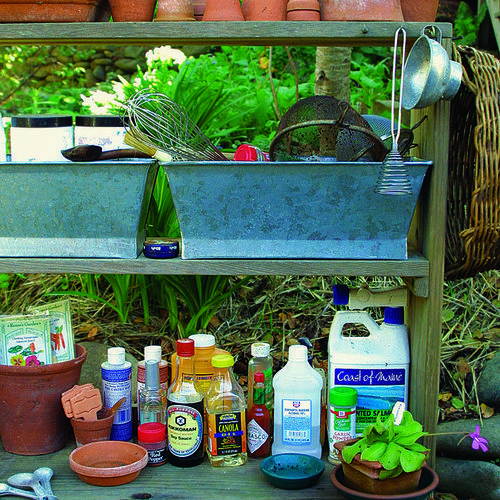
As a gardener, you want to ensure that your plants receive the best care possible. While chemical treatments can provide quick results, they often come with unintended consequences for the environment and human health. Fortunately, there are natural remedies that can help prevent and combat plant diseases without harming the ecosystem.
Understanding Plant Diseases
Before we dive into the remedies, it’s essential to understand what causes plant diseases. Pests like aphids, whiteflies, and spider mites can infest plants, causing damage and spreading disease. Fungal infections, such as powdery mildew and root rot, can also affect plants. Environmental factors like weather conditions, soil quality, and watering practices can contribute to the development of plant diseases.
The Importance of Soil Health
Soil health plays a crucial role in preventing plant diseases. Healthy soil provides beneficial microorganisms that help fight off pests and diseases, improving overall plant health. Some ways to maintain healthy soil include:
- Adding organic matter: Incorporating compost, manure, or peat moss can improve soil structure and fertility.
- Using cover crops: Planting cover crops like clover or rye can help suppress weeds and attract beneficial insects.
- Avoiding over-fertilization: Over-fertilizing can lead to imbalanced nutrient levels, creating an environment conducive to disease.
Natural Remedies for Common Plant Diseases
Here are some effective natural remedies for common plant diseases:
1. Treating Pests with Aromatics
- To repel aphids, place basil, mint, or lemongrass near your plants.
- For whiteflies, sprinkle cayenne pepper or garlic powder around the base of the plant.
These aromatic plants can help deter pests and create a natural barrier against infestation. Some other aromatic remedies include:
- Lavender oil: Can be used to repel moths and other pests.
- Citrus peels: Can be used as a natural insecticide by sprinkling them around the base of your plants.
2. Repelling Slugs with Salts
- To protect plants from slugs, sprinkle salt or baking soda around the base of the plant.
- The acidity in these substances will repel slugs and other pests.
Slugs can be devastating to plants, causing significant damage to leaves and flowers. These natural deterrents provide a safe and effective alternative to chemical pesticides. Some other options for deterring slugs include:
- Copper tape: Can be wrapped around plant stems to deter slugs.
- Crushed eggshells: Can be sprinkled around the base of plants to create a barrier against slugs.
3. Using Neem Oil for Fungal Infections
- Mix neem oil with water according to the manufacturer’s instructions.
- Spray the solution on affected areas to combat fungal infections like powdery mildew and root rot.
Neem oil has antifungal properties that can help prevent and treat fungal diseases. It’s a safe, non-toxic option for gardeners looking for an alternative to chemical fungicides. Some other options for treating fungal diseases include:
- Cinnamon oil: Can be used to repel fungi and create a natural barrier against infestation.
- Baking soda: Can be used as a natural fungicide by sprinkling it around the base of affected plants.
4. Managing Aphids with Soap Solution
- Mix dish soap with water according to the manufacturer’s instructions.
- Spray the solution on aphid-infested areas to suffocate and kill the pests.
This natural remedy provides a quick and effective way to control aphid populations without harming beneficial insects. Some other options for managing aphids include:
- Soap spray: Can be made by mixing dish soap with water and spraying it directly on the plants.
- Insecticidal soap: Can be used to control aphid populations and is safe for beneficial insects.
5. Controlling Whiteflies with Garlic Spray
- Mix crushed garlic with water according to the manufacturer’s instructions.
- Spray the solution on whitefly-infested areas to repel and kill the pests.
Garlic has natural insecticidal properties that can help combat whiteflies and other pests. This remedy is a safe, non-toxic alternative to chemical pesticides. Some other options for controlling whiteflies include:
- Garlic spray: Can be made by mixing crushed garlic with water and spraying it directly on the plants.
- Insecticidal soap: Can be used to control whitefly populations and is safe for beneficial insects.
Preventing Plant Diseases: Tips for Healthy Gardening
While these natural remedies can help prevent and treat plant diseases, there are several best practices you can follow to maintain healthy plants:
- Water wisely: Avoid overwatering, which can lead to root rot and other fungal infections.
- Provide good air circulation: Ensure that plants have sufficient space between them to allow for proper airflow and reduce humidity.
- Use mulch: Mulch helps retain moisture in the soil, suppress weeds, and regulate soil temperature.
By following these tips and using natural remedies when necessary, you can create a healthy, balanced ecosystem in your garden that thrives without harming the environment or human health.
Conclusion
Natural remedies for plant diseases offer a safe, non-toxic alternative to chemical pesticides. By understanding the causes of plant diseases and using effective natural remedies, gardeners can maintain healthy plants while protecting the environment. With these tips and best practices, you can create a thriving garden that benefits both you and the planet.
Frequently Asked Questions
1. What are some common natural remedies for plant diseases?
Some common natural remedies for plant diseases include using neem oil, soap solution, garlic spray, and aromatic plants like basil and mint to repel pests.
2. How do I prevent fungal infections in my plants?
To prevent fungal infections, ensure good air circulation around your plants, water wisely, and provide mulch to regulate soil temperature.
3. Can I use natural remedies on all types of plants?
While many natural remedies are suitable for most plant species, it’s essential to research specific treatments before applying them to sensitive or exotic plants.
4. Are natural remedies effective against pests like slugs and snails?
Yes, natural remedies like salt and baking soda can repel slugs and other pests without harming beneficial insects.
5. How often should I apply natural remedies to prevent plant diseases?
The frequency of applying natural remedies depends on the type of plant disease and the severity of the infestation. It’s essential to research specific treatment guidelines before applying any remedy to your plants.


