
Understanding Varicose Veins
As the weather warms up, many of us experience discomfort in our legs due to poor circulation. One common issue that can be particularly distressing is varicose veins. It’s estimated that one out of ten women between the ages of 30 and 60 will suffer from this condition.
Varicose veins are characterized by swollen, twisted veins that appear on the surface of the skin. They can cause discomfort, pain, and even lead to more severe complications if left untreated. The good news is that there are several natural remedies that may help alleviate varicose veins symptoms, in addition to medical treatment.
Causes of Varicose Veins
While the exact causes of varicose veins are still not fully understood, research suggests that several factors contribute to their development, including:
- Work-related activities: Prolonged standing or sitting can cause blood to pool in the legs, leading to increased pressure on the veins.
- Lifestyle choices: A sedentary lifestyle, smoking, and poor diet can all contribute to the development of varicose veins.
- Genetic predisposition: Some people may be more prone to developing varicose veins due to their genetic makeup.
The Importance of Early Treatment
It’s crucial to tackle varicose veins at the earliest stage possible. If left untreated, they can lead to more severe complications, such as:
- Weight gain: Excess weight can put additional pressure on the veins, exacerbating symptoms.
- Severe pain: Varicose veins can cause sharp pains and discomfort, especially when walking or standing.
- Infections: Bacterial infections can occur if the affected vein becomes inflamed.
- Scarring: Untreated varicose veins can lead to permanent scarring.
Natural Remedies for Varicose Veins: What Works?
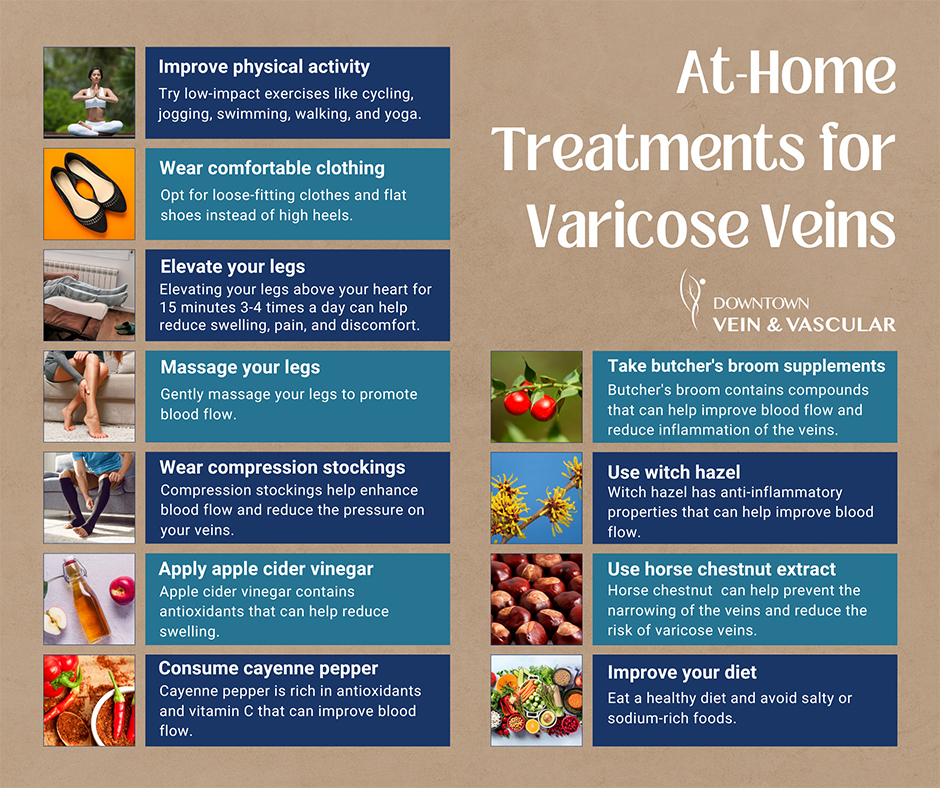
While medical treatment is often necessary, there are several natural remedies that may help alleviate varicose veins symptoms. Some of the most effective include:
1. Mirtilli (Blueberries)
The antioxidant and anti-inflammatory properties of blueberries make them an excellent choice for reducing swelling and improving circulation.
- Consume fresh or frozen blueberries
- Prepare a warm tea by steeping 1 tablespoon of dried blueberries in 200ml of boiling water
2. Aloe Vera
Aloe vera’s soothing properties can help calm irritated skin and reduce inflammation.
- Apply the gel directly to the affected area
- Mix with grated carrot and apple cider vinegar for a topical application
3. Equiseto (Horse Chestnut)
Equiseto, also known as horse chestnut, is rich in flavonoids that can help improve circulation and reduce swelling.
- Consume the berries or drink the tea made from them
- Avoid using it during pregnancy, with cardiac issues, or if you have a history of thrombophlebitis
4. Calendula
Calendula’s anti-inflammatory properties can help soothe irritated skin and promote healing.
- Prepare an infusion by steeping dried calendula flowers in boiling water
- Apply the cooled tea to the affected area as a compress
5. Oli Essenziali (Essential Oils)
Massaging essential oils into the affected area can help improve circulation and reduce swelling.
- Use olive oil as a carrier for the essential oils
- Massage in a circular motion, starting from the ankles and working your way up to the thighs
6. Cipresso (Cypress)
The cypress tree’s bark contains compounds that can help improve circulation and reduce inflammation.
- Consume the tea made from cypress bark
- Use it topically by applying a warm compress to the affected area
7. Ippocastano (Horse Chestnut)
Horse chestnut is considered one of the most effective natural remedies for varicose veins, as it can help stimulate circulation and improve valve function.
- Consume the tea made from horse chestnut seeds
- Avoid using it during pregnancy or if you have a history of thrombophlebitis
8. Ginkgo Biloba
Ginkgo biloba’s anti-inflammatory properties can help reduce swelling and improve circulation.
- Consume the leaves or drink the tea made from them
- Use it topically by applying a warm compress to the affected area
9. Willow Bark
Willow bark contains salicin, a compound similar to aspirin, which can help reduce inflammation and improve circulation.
- Consume the bark or drink the tea made from it
- Avoid using it during pregnancy or if you have a history of bleeding disorders
Combining Natural Remedies
While each natural remedy has its own benefits, combining them may lead to even greater results. For example:
- Drinking mirtilli tea and applying calendula compresses may help reduce swelling and promote healing.
- Massaging olive oil with essential oils like cypress or ginkgo biloba can improve circulation and reduce inflammation.
Conclusion
While these natural remedies may provide some relief from varicose veins symptoms, it’s essential to consult with a healthcare professional for proper diagnosis and treatment. Natural remedies should not be used as a replacement for medical treatment, but rather as a complementary approach to alleviate symptoms and promote healing.
Frequently Asked Questions (FAQs)
1. Q: What are the most effective natural remedies for varicose veins?
A: Mirtilli, Aloe Vera, Equiseto, Calendula, Oli Essenziali, Cipresso, Ippocastano, Ginkgo Biloba, and Willow Bark sono tra i rimedi più efficaci per alleviare i sintomi delle vene varicose.
2. Q: Can natural remedies replace medical treatment?
A: No, natural remedies should not be used as a replacement for medical treatment. Consult with a healthcare professional for proper diagnosis and treatment.
3. Q: How can I prevent varicose veins?
A: Maintaining a healthy lifestyle, exercising regularly, and avoiding prolonged sitting or standing can help reduce the risk of developing varicose veins.
4. Q: Can varicose veins be cured?
A: While natural remedies may provide some relief from symptoms, varicose veins cannot be completely “cured.” Treatment options vary depending on severity and individual circumstances.
5. Q: Are there any risks associated with using natural remedies for varicose veins?
A: Yes, certain natural remedies can interact with medications or worsen underlying health conditions. Consult with a healthcare professional before using any new remedy.



