
Cystitis, a frustrating infection affecting the urinary system, predominantly affects women. Common symptoms include pruritus, burning sensation while urinating, persistent need to urinate, dark-colored urine, and in severe cases, fever. When presenting with such issues, it’s essential to seek medical attention and avoid self-administered treatments that can compromise one’s health.
Understanding Cystitis
Cystitis is a bacterial infection that affects the urinary system. Antibiotic natural remedies can combat the presence of these bacteria in urine, but it’s crucial to consult a healthcare professional before using any treatment.
The Causes of Cystitis
There are several factors that can contribute to the development of cystitis, including:
- Bacterial Infections: The most common cause of cystitis is bacterial infections, particularly those caused by Escherichia coli (E. coli), which is a type of bacteria commonly found in the intestines.
- Urinary Tract Stones: Stones in the urinary tract can irritate the bladder and increase the risk of developing cystitis.
- Anatomical Abnormalities: Women with abnormalities such as a narrow urethra or a blockage in the ureters may be more susceptible to developing cystitis.
- Hormonal Changes: Hormonal fluctuations during pregnancy, menstruation, or menopause can increase the risk of developing cystitis.
- Weakened Bladder Muscles: Women who have had childbirth, multiple pregnancies, or pelvic surgery may experience weakened bladder muscles, making them more susceptible to developing cystitis.
Symptoms and Diagnosis
Cystitis symptoms can vary depending on the severity of the infection and individual factors such as age, sex, and overall health. Common symptoms include:
- Burning Sensation While Urinating: A burning sensation while urinating is one of the most common symptoms of cystitis.
- Painful or Urgent Need to Urinate: Painful or urgent need to urinate can occur due to irritation in the urinary tract.
- Dark-Colored Urine: Dark-colored urine may be a sign that the infection has caused inflammation and changes in the urine’s color.
- Fever: Fever is often present in cases of cystitis, especially if it’s accompanied by other symptoms such as chills or body aches.
To diagnose cystitis, your healthcare provider will typically perform a physical examination, take a medical history, and may order diagnostic tests such as:
- Urinalysis: A urine test to check for bacteria, white blood cells, or other abnormalities in the urine.
- Cystoscopy: A procedure where a flexible tube with a camera is inserted into the urethra to visualize the bladder and urinary tract.
Natural Remedies for Cystitis: A Review
Hydration: The Key to Preventing Cystitis
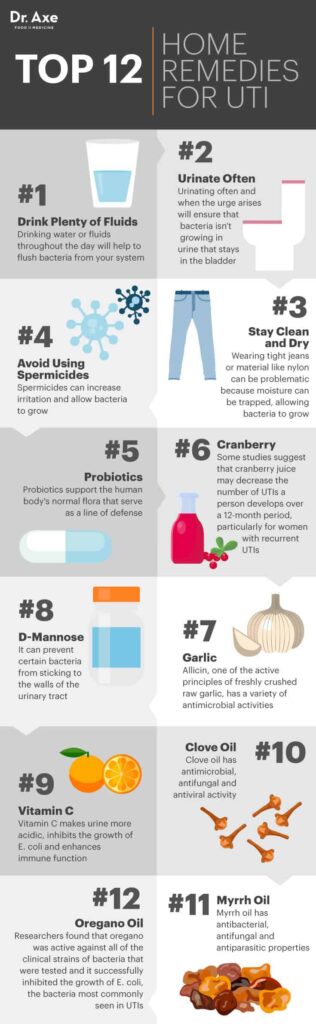
Drinking at least two liters of water daily helps cleanse the urinary system and fight off the infection. Adequate hydration is essential in preventing cystitis, making it an effective natural remedy.
Elderberry (Sambucus nigra)
Rich in antioxidants like anthocyanins and carotenoids, elderberry exhibits antiseptic and antibacterial properties, boosting the immune system to combat the infection. The best time to consume elderberry is during its peak season, making it an ideal ingredient for a refreshing mix of fresh berries.
Fresh Fruit Juices
Drinking fruit juices that contain citrus fruits like oranges, lemons, pineapples, and raspberries can help prevent cystitis. These juices stimulate the digestive system and promote healing.
Prezzemolo (Parsley) and Aglio (Garlic)
Both parsley and garlic possess antibacterial properties, making them effective natural remedies for cystitis. Add these ingredients to your meals or consume them separately, ensuring a balanced diet that fights off infections.
Lactobacillus
These beneficial bacteria improve gut health and produce antibodies to combat the infection. Find lactobacillus in fermented dairy products available at local grocery stores.
Diuretic Foods: Expelling Toxins from the Urinary System
Certain foods, such as cucumbers, celery, radishes, and pineapple, help eliminate waste from the urinary system by acting as natural diuretics. Incorporating these foods into your diet can alleviate symptoms of cystitis.
Maintaining Intimacy Hygiene: Essential for Cystitis Prevention
Proper hygiene is crucial in preventing cystitis. Regularly clean the genital area and wear loose-fitting clothing to reduce irritation and discomfort.
Caffeine, Alcoholic Beverages, and Green Tea: Avoid These Toxins
Avoid consuming caffeine, alcohol, and green tea as they can irritate the bladder and worsen symptoms of cystitis. Opt for herbal teas instead to soothe the urinary system.
Conclusion
Preventing cystitis requires minimal effort; a balanced diet that includes plenty of liquids, especially fresh fruit juices rich in citrus fruits like mirtillo rosso (Elderberry), can be effective. By following these guidelines and incorporating natural remedies into your daily routine, you can alleviate symptoms and reduce the risk of developing this frustrating condition.
Frequently Asked Questions
- What are some common causes of cystitis?
Cystitis is often caused by bacterial infections or other factors like urinary tract stones or anatomical abnormalities. - How can I prevent cystitis?
Prevention involves maintaining good hygiene, staying hydrated, and avoiding irritants that can exacerbate symptoms. - What are some natural remedies for cystitis?
Natural remedies include drinking plenty of water, consuming elderberry, using prezzemolo and aglio, and incorporating lactobacillus-rich foods into your diet. - Can I treat cystitis at home without medical attention?
No, it’s essential to seek medical attention before treating cystitis at home, as improper treatment can lead to complications or worsen symptoms. - How long does cystitis typically last?
The duration of cystitis varies depending on the individual and the severity of the infection, but it usually resolves within a few days to several weeks with proper treatment. - Can I get cystitis more than once?
Yes, cystitis can recur due to factors like poor hygiene or underlying medical conditions. - How do I know if my symptoms are related to cystitis or another condition?
If you experience persistent or severe urinary symptoms, it’s crucial to consult a healthcare professional for proper diagnosis and treatment. - Can I use home remedies in combination with antibiotics prescribed by my doctor?
Consult your healthcare provider before using any natural remedy alongside prescription medication.
Additional Natural Remedies for Cystitis
In addition to the previously mentioned natural remedies, other ingredients that may help alleviate symptoms of cystitis include:
- Marshmallow Root: Marshmallow root is known for its soothing and anti-inflammatory properties, making it a helpful ingredient in alleviating symptoms of cystitis.
- Slippery Elm: Slippery elm has antiseptic and anti-inflammatory properties that can help soothe the urinary tract and reduce inflammation.
- Ginger: Ginger has natural anti-inflammatory properties that can help alleviate pain and discomfort associated with cystitis.
Prevention Tips
To prevent cystitis, follow these guidelines:
- Stay Hydrated: Drink plenty of water daily to cleanse your urinary system.
- Maintain Good Hygiene: Regularly clean the genital area and wear loose-fitting clothing to reduce irritation and discomfort.
- Avoid Irritants: Avoid consuming caffeine, alcohol, and green tea as they can irritate the bladder and worsen symptoms of cystitis.
- Incorporate Diuretic Foods: Incorporate foods like cucumbers, celery, radishes, and pineapple into your diet to help eliminate waste from the urinary system.
Conclusion
Cystitis is a frustrating condition that affects millions of people worldwide. While it can be debilitating, there are natural remedies available to alleviate symptoms and reduce the risk of developing this infection. By incorporating these guidelines and using natural remedies, you can take control of your health and prevent cystitis from becoming a recurring issue.


