
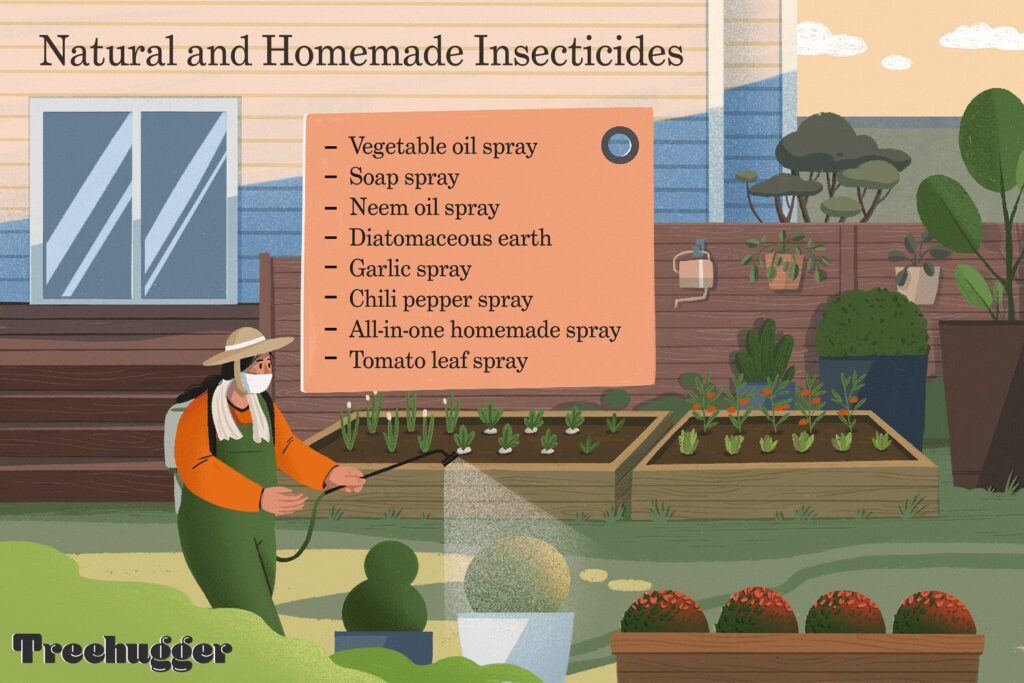
As a gardener, you’re no stranger to the frustration of dealing with pests that can damage your plants and garden. However, did you know that there are natural solutions available to control these pests without using harsh chemicals? In this article, we’ll explore some effective natural pest control methods for plants, including macerations, infusions, and other non-toxic remedies.
Understanding the Importance of Natural Pest Control
Pests can cause significant damage to your garden, from reducing crop yields to spreading diseases. Chemical pesticides can be effective in the short term, but they often come with long-term consequences, such as harming beneficial insects and contaminating soil and water. Natural pest control methods, on the other hand, offer a safer and more sustainable alternative.
The Benefits of Natural Pest Control
Using natural pest control methods has several benefits, including:
- Reducing exposure to chemical pesticides: Chemical pesticides can be toxic to humans, pets, and wildlife, so using natural pest control methods reduces your exposure to these hazardous substances.
- Promoting beneficial insect populations: Many natural pest control methods attract beneficial insects that prey on pests, creating a balanced ecosystem in your garden.
- Preserving soil health: Natural pest control methods tend to be biodegradable and non-toxic, reducing the risk of contaminating soil and water.
- Increasing crop yields: By controlling pests naturally, you can promote healthy plant growth and increase crop yields.
Macerations: A Powerful Tool for Pest Control
Macerations involve soaking plant materials, such as herbs or roots, in water to create a potent antiseptic solution. This method is particularly effective against pests like aphids, whiteflies, and spider mites. Here’s how to make a maceration:
- Choose your plant material: Select herbs like mint, lemongrass, or garlic for their natural pest-repelling properties.
- Create the maceration: Combine 1 cup of plant material with 1 gallon of water in a large pot. Let it sit for 24-48 hours to allow the mixture to infuse.
- Strain and dilute: Strain the liquid through a cheesecloth or fine-mesh sieve to remove any solids. Dilute the solution with water to the recommended strength.
Infusions: A Soothing Alternative
Infusions are another effective natural pest control method that involves steeping plant materials in hot water to create a fragrant and potent solution. Here’s how to make an infusion:
- Choose your plant material: Select herbs like chamomile, calendula, or lavender for their calming properties.
- Create the infusion: Combine 1 tablespoon of dried plant material with 1 cup of boiling water in a tea infuser or a heat-proof bowl. Let it steep for 5-10 minutes.
- Strain and cool: Strain the liquid through a cheesecloth or fine-mesh sieve to remove any solids. Cool the solution to room temperature before using.
Decotions: A Concentrated Solution
Decotions involve boiling plant materials in water to create a concentrated antiseptic solution. Here’s how to make a decoction:
- Choose your plant material: Select herbs like peppermint, ginger, or turmeric for their natural pest-repelling properties.
- Create the decoction: Combine 1 cup of plant material with 2 cups of water in a large pot. Bring the mixture to a boil, then reduce heat and simmer for 10-15 minutes.
- Strain and cool: Strain the liquid through a cheesecloth or fine-mesh sieve to remove any solids. Cool the solution to room temperature before using.
Other Natural Pest Control Methods
In addition to macerations, infusions, and decotions, there are several other natural pest control methods you can try:
- Soap Solution: Mix 1 tablespoon of mild soap with 1 quart of water to create a gentle pesticide. Spray the solution directly on pests or mix it into the soil.
- Piretro Insecticide: Piretro is a plant-based insecticide that’s effective against a wide range of pests. Follow the manufacturer’s instructions for application.
- Neem Oil: Neem oil is derived from the seeds of the neem tree and has natural insecticidal properties. Mix 2 tablespoons of neem oil with 1 quart of water to create a pesticide solution.
Tips and Tricks
Here are some additional tips and tricks to keep in mind when using natural pest control methods:
- Always test a small area first: Before applying any new treatment, test it on a small area of the plant to ensure it won’t cause damage or discoloration.
- Use a combination of methods: Mixing different natural pest control methods can be more effective than relying on one method alone.
- Monitor your garden regularly: Regularly inspect your plants for signs of pests and take action promptly to prevent infestations.
Conclusion
Natural pest control methods offer a safer and more sustainable alternative to chemical pesticides. By using macerations, infusions, decotions, and other non-toxic remedies, you can protect your garden without harming beneficial insects or contaminating soil and water. Remember to always follow the recommended strength and usage guidelines for each method, and combine them with good gardening practices like crop rotation and sanitation.
Frequently Asked Questions
- Q: What are the benefits of using natural pest control methods?
A: Natural pest control methods offer a safer and more sustainable alternative to chemical pesticides. They can also help maintain beneficial insect populations and reduce environmental pollution. - Q: How do I choose the right plant material for my pest problem?
A: Research which plants are known to repel specific pests. Some common natural pest-repelling plants include mint, lemongrass, garlic, and chamomile. - Q: Can I use natural pest control methods on sensitive plants?
A: Always test a small area of the plant before applying any new treatment to ensure it won’t cause damage or discoloration. - Q: How often should I apply natural pest control methods?
A: Follow the recommended application guidelines for each method, and repeat as necessary to maintain control over pests. - Q: Are there any long-term effects of using natural pest control methods on my garden?
A: Generally, no. Natural pest control methods are non-toxic and biodegradable, making them a safe choice for your garden.
By incorporating these natural pest control methods into your gardening routine, you can create a healthier, more sustainable garden that’s free from chemical pesticides.


