
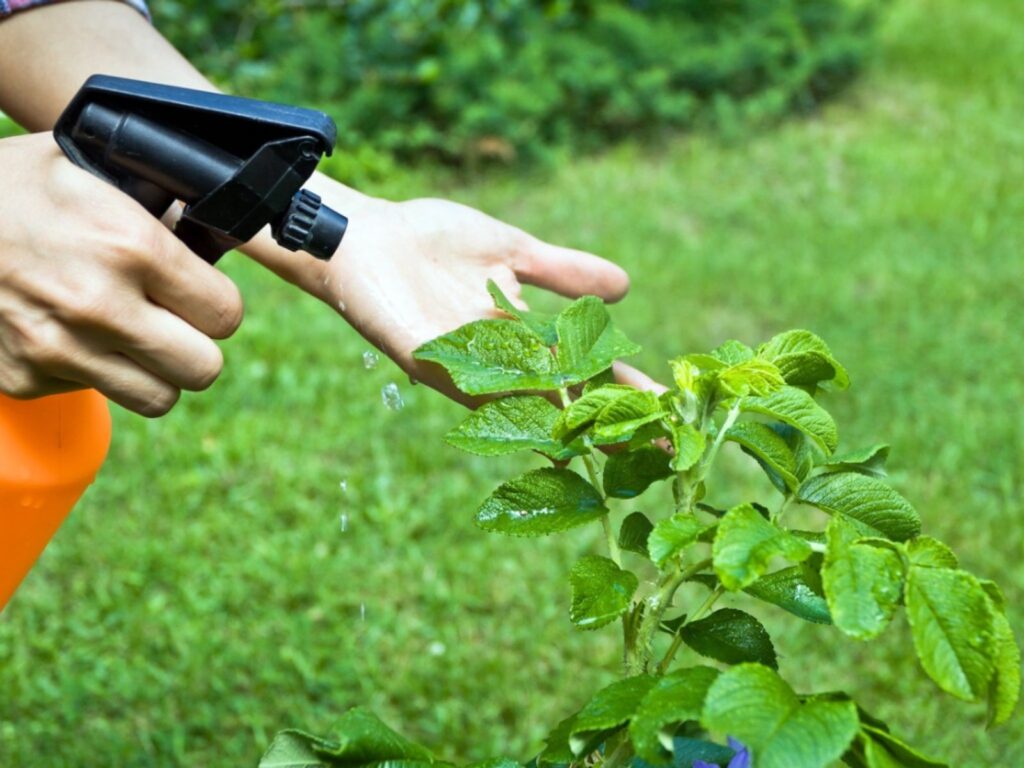
As the world becomes increasingly aware of the importance of environmental sustainability, many people are turning to natural insecticides as a safer and more effective alternative to traditional chemical pesticides. In this article, we will explore some of the most effective natural insecticides available, including their uses, benefits, and potential drawbacks.
Understanding the Problem
Mosquitoes, ants, flies, and other pests can cause significant discomfort and damage to our homes and gardens. Chemical pesticides are often used to control these pests, but they can have negative effects on the environment and human health. This is where natural insecticides come in – a safer and more environmentally friendly solution.
The Risks of Chemical Pesticides
Chemical pesticides have been linked to a range of negative health effects, including:
- Cancer
- Neurological damage
- Reproductive problems
- Environmental pollution
Additionally, chemical pesticides can contaminate soil, water, and air, affecting not only human health but also the health of wildlife.
Natural Insecticides: What’s Available?
There are several natural insecticides available that can be used to control pests. Some of the most effective ones include:
- D-Limonene: A compound extracted from citrus fruits, d-limonene is particularly effective against ants.
- Diatomite: A natural powder made from fossilized algae, diatomite is often used in agriculture and can be used to control a wide range of pests, including ants, flies, and beetles.
- Borax: A naturally occurring mineral, borax can be used to create homemade insecticides that are effective against ants, roaches, and other pests.
- Cornmeal: A natural powder made from corn, cornmeal can be used to repel ants and other pests.
- Essential Oils: Certain essential oils, such as peppermint oil and tea tree oil, have natural insecticidal properties that can be used to control pests.
How Natural Insecticides Work
Natural insecticides work in different ways, depending on the specific product. Some common methods include:
- Repelling insects: Certain natural ingredients, such as citronella and lemongrass, can repel insects without harming them.
- Dehydrating insects: Products like diatomite can dehydrate insects, causing them to die.
- Killing insects: Some natural insecticides, such as garlic oil, are designed to kill insects on contact.
Using Natural Insecticides
While natural insecticides are a safer alternative to chemical pesticides, they may not be as effective in all situations. Here are some tips for using natural insecticides:
- Use the right product: Choose a natural insecticide that is specifically labeled for the pest you want to control.
- Follow instructions carefully: Always follow the instructions on the label and take necessary precautions when handling natural insecticides.
- Combine with other methods: Natural insecticides may not be enough to control a severe infestation. Consider combining them with other methods, such as sealing entry points or using traps.
Benefits of Using Natural Insecticides
Using natural insecticides can have a range of benefits, including:
- Reduced environmental impact: Natural insecticides are generally safer for the environment and can reduce pollution.
- Improved human health: Natural insecticides can be less toxic to humans than chemical pesticides.
- Increased effectiveness: Some natural insecticides can be more effective than chemical pesticides in certain situations.
Conclusion
Natural insecticides are a safer and more environmentally friendly alternative to traditional chemical pesticides. While they may not be as effective in all situations, they can be used in conjunction with other methods to create an effective pest control plan. By choosing the right natural insecticide for your needs and following instructions carefully, you can enjoy a pest-free home and garden.
Frequently Asked Questions
- What is d-limonene?
D-limonene is a compound extracted from citrus fruits that has natural insecticidal properties. - How does diatomite work?
Diatomite is a natural powder made from fossilized algae that can be used to control pests by dehydrating them. - Is borax safe for humans and pets?
Borax can be toxic to humans and pets if ingested in large quantities. Always handle it with care and follow instructions carefully. - Can I use cornmeal as a natural insecticide?
Yes, cornmeal can be used as a natural insecticide by sprinkling it around entry points or on surfaces where pests are present. - What are some essential oils that have insecticidal properties?
Peppermint oil and tea tree oil are two essential oils that have natural insecticidal properties.
Additional Resources
- National Pest Management Association
- Environmental Protection Agency (EPA)
- Natural Pest Control Methods


