
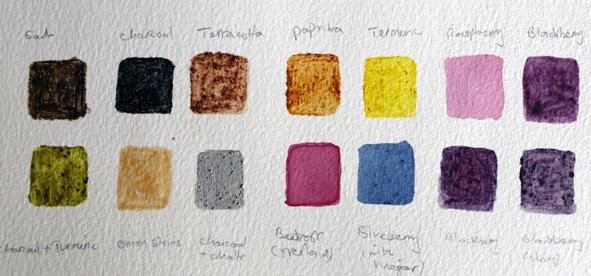
As we strive for a more sustainable lifestyle, it’s essential to consider the impact of our daily choices on the environment. When it comes to painting our homes, many of us are unaware of the harsh chemicals and toxins present in traditional paints. This article will delve into the world of natural paints, exploring their benefits, types, and uses.
What is Natural Paint?
Natural paint refers to a type of paint made from non-toxic, eco-friendly ingredients. These paints are designed to be safer for both humans and the environment. Unlike synthetic paints, which contain volatile organic compounds (VOCs) and other harsh chemicals, natural paints are free from these toxins.
Types of Natural Paint
There are two main types of natural paint: plant-based and mineral-based.
- Plant-based natural paints use ingredients such as:
- Oils (linseed oil, olive oil)
- Waxes (beeswax, carnauba wax)
- Natural pigments (earth oxides, minerals)
- Plant dyes
- Mineral-based natural paints use ingredients such as:
- Gypsum (calcium sulfate)
- Lime putty
- Natural pigments (minerals, earth oxides)
Benefits of Natural Paint
Natural paint offers several benefits over traditional synthetic paints:
- Improved indoor air quality: Natural paint is free from VOCs and other toxins that can negatively impact indoor air quality.
- Increased durability: Natural paint is less prone to cracking and fading than synthetic paint, ensuring a longer lifespan for your walls.
- Healthier living: Exposure to toxic chemicals in traditional paints has been linked to various health problems. Natural paint eliminates this risk.
Natural Paint vs. Synthetic Paint
When it comes to choosing between natural paint and synthetic paint, consider the following factors:
- Cost: Natural paint is generally more expensive than synthetic paint.
- Color retention: Natural paint may not retain color as well as synthetic paint over time.
- Durability: Natural paint can be more prone to cracking and fading than synthetic paint.
How to Prepare a Natural Paint
Preparing a natural paint involves mixing the ingredients together. Here’s a basic recipe:
Ingredients:
- 1 cup of natural pigment (earth oxides, minerals)
- 2 tablespoons of oil (linseed oil, olive oil)
- 1 tablespoon of wax (beeswax, carnauba wax)
- 1/4 cup of water
Instructions:
- Mix the ingredients together in a bowl.
- Add more water or oil as needed to achieve the desired consistency.
- Apply the paint to your surface using a brush or roller.
Frequently Asked Questions
Here are some common questions about natural paint:
- What is the shelf life of natural paint?: Natural paint can last for several years if stored properly in a cool, dry place.
- Can I use natural paint on walls and ceilings?: Yes, natural paint can be used on both walls and ceilings. However, make sure to choose a suitable color for each surface.
- Is natural paint safe for children and pets?: Natural paint is generally safer than synthetic paint. However, it’s still important to supervise children and pets when they’re in the same room as fresh paint.
Choosing the Right Color
Natural paint comes in a variety of colors, ranging from soft pastels to deep earth tones. Here are some tips for choosing the right color:
- Consider the lighting: Choose a color that complements the natural light in your space.
- Think about the mood: Natural paints can evoke different moods and emotions, so choose a color that suits your style.
- Don’t forget about texture: Add some texture to your walls with natural pigments or waxes.
Using Natural Paint for Specific Projects
Natural paint is perfect for various projects, such as:
- Furniture restoration: Use natural paint to restore old furniture and give it a new look.
- Wallpaper removal: Use natural paint to remove wallpaper without damaging the surface.
- Staining wood: Use natural paint to stain wood surfaces without adding harsh chemicals.
Tips for Applying Natural Paint
Here are some tips for applying natural paint:
- Prep the surface: Make sure the surface is clean and dry before applying natural paint.
- Use the right brush or roller: Choose a brush or roller that’s suitable for your natural paint.
- Apply thin coats: Apply thin coats of natural paint to avoid drips and unevenness.
Natural Paints: A Sustainable Alternative
By switching to natural paint, you’ll not only be reducing your environmental impact but also improving the air quality and overall health of your home. Natural paints are a sustainable alternative to traditional synthetic paints, offering numerous benefits for both humans and the environment. So why wait? Start exploring the world of natural paints today!
Conclusion
In conclusion, natural paint is an eco-friendly painting option that offers several benefits over traditional synthetic paints. With its non-toxic ingredients and improved durability, natural paint is a great choice for those looking to reduce their environmental impact. Whether you’re restoring furniture or painting walls, natural paint is the perfect solution. So why not give it a try? Explore the world of natural paints today and discover a more sustainable way of living.



