
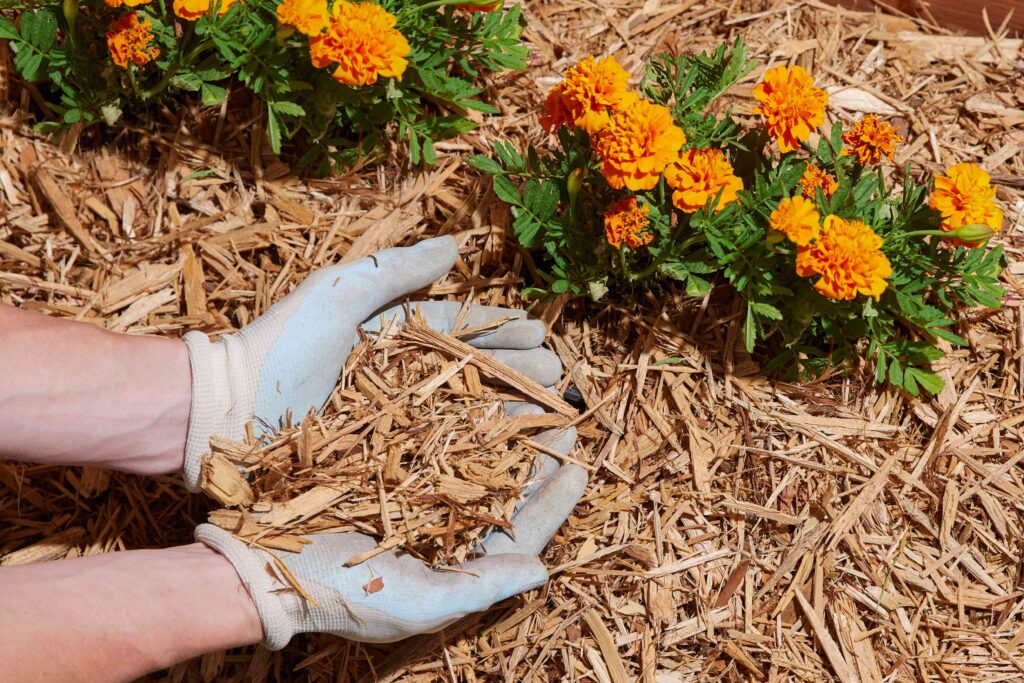
As a gardener who practices organic farming, you’re likely aware of the importance of protecting your soil from harsh weather conditions. However, simply covering the soil with a layer of organic matter might not be enough. This is where natural mulching comes in – a simple yet effective technique to retain moisture, suppress weeds, and promote healthy microbial activity.
What is Natural Mulching?
Natural mulching involves using organic materials to cover the soil, reducing evaporation, and retaining moisture. These materials act as a shield against extreme weather conditions, such as intense sunlight, wind, and frost. They also help suppress weed growth by blocking light and preventing seed germination.
Choosing the Right Materials for Natural Mulching
When it comes to natural mulching, the options are endless. However, not all materials are created equal. Some materials may contain chemicals or be too dense, which can harm plants or contaminate the soil. Here are some suitable alternatives:
- Dried grass clippings: A popular choice for organic gardeners, dried grass clippings provide excellent insulation and retain moisture.
- Shredded leaves: Rich in nutrients, shredded leaves make an excellent mulch for acid-loving plants like azaleas and rhododendrons.
- Small twigs and branches: These can be used to create a thick layer of mulch that suppresses weeds and retains heat.
- Coffee grounds: Used coffee grounds are rich in nitrogen, phosphorus, and potassium – essential nutrients for plant growth.
Benefits of Natural Mulching
Natural mulching offers numerous benefits for your organic garden. Some of the most significant advantages include:
- Improved soil health: By retaining moisture and suppressing weeds, natural mulch promotes healthy microbial activity, leading to richer soil.
- Reduced water consumption: Mulched soil retains moisture, reducing the need for frequent watering.
- Increased crop yields: A well-mulched garden can lead to increased crop yields due to improved soil health and reduced weed growth.
Combining Compost with Natural Mulching
When using compost as part of your natural mulch, it’s essential to use high-quality compost. This type of compost is rich in nutrients and has been fully broken down, reducing the risk of contamination or pests.
- Best practices for compost: Always use fresh compost that has not been contaminated with weeds or pests.
- Soil pH balancing: Natural mulch can affect soil pH levels, so it’s essential to balance your soil regularly.
- Reducing tannin content: Tannins in natural mulches like wood chips or bark can be acidic and harm certain plants. Reduce these risks by selecting materials that are low in tannins.
Common Challenges with Natural Mulching
While natural mulching offers numerous benefits, it’s not without its challenges:
- Weed growth: Weeds can still grow through mulch, especially if the material is not dense enough.
- Pests and rodents: Rodents and pests may be attracted to organic materials like dried grass clippings or shredded leaves.
FAQs
Q: Is natural mulching suitable for all types of plants?
A: Natural mulching can be beneficial for most plants, but some might require additional care. For example, acid-loving plants like azaleas and rhododendrons benefit from shredded leaves as a mulch.
Q: How do I reduce tannin content in my natural mulch?
A: Select materials with low tannin levels or add additional organic matter to balance the acidity of your soil.
Q: Can natural mulching be used on slopes?
A: Natural mulching can be effective on slopes, but ensure that the material is not too loose or prone to erosion. Regular maintenance may be necessary to prevent soil loss.
Q: What are some common mistakes made when using natural mulch?
A: Some common mistakes include:
- Using low-quality compost
- Not balancing soil pH levels
- Failing to regularly maintain the mulch layer
Q: Can I use natural mulch on newly planted gardens?
A: Natural mulching can be beneficial for newly planted gardens, but ensure that the material is not too dense or prone to suffocating young plants. Regular maintenance may be necessary.
Q: Is natural mulching effective in areas with high rainfall?
A: Yes, natural mulching can help retain moisture and reduce soil erosion in areas with high rainfall.
Tips for Effective Natural Mulching
- Choose the right materials: Select organic materials that are free of chemicals and suitable for your specific garden needs.
- Apply the right thickness: Ensure that your mulch layer is thick enough to suppress weeds but not so dense that it suffocates plants.
- Maintain regular care: Regularly inspect your mulched area, adding more material as needed to maintain optimal levels.
Conclusion
Natural mulching is a simple yet effective technique for protecting your soil and promoting healthy microbial activity in your organic garden. By choosing the right materials, balancing your soil pH levels, and maintaining regular care, you can reap the many benefits of natural mulching. Whether you’re looking to improve soil health or reduce water consumption, incorporating natural mulching into your gardening routine is an excellent choice for sustainable gardening practices.
Best Practices for Natural Mulching
- Keep it thick: Maintain a 2-3 inch layer of mulch to ensure optimal effectiveness.
- Avoid over-mulching: Give plants enough air and sunlight by avoiding excessive mulch coverings.
- Monitor moisture levels: Adjust your mulch layer as needed to maintain optimal moisture retention.
Common Organic Mulching Materials
- Dried grass clippings
- Shredded leaves
- Small twigs and branches
- Coffee grounds
By incorporating natural mulching into your organic gardening routine, you can create a thriving ecosystem that promotes healthy soil microbial activity.


