
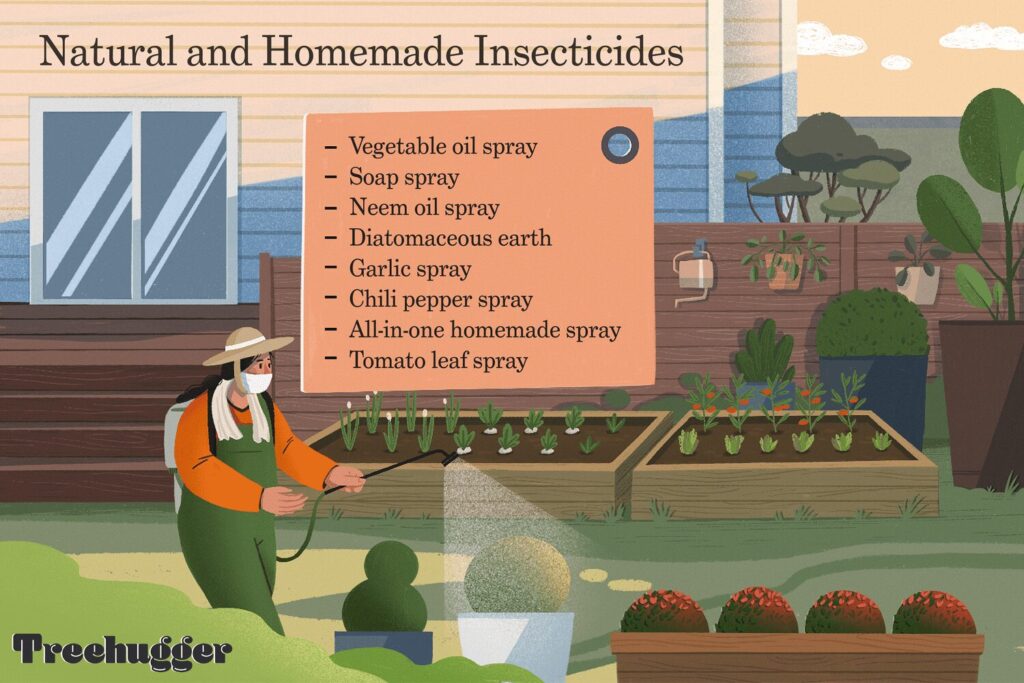
As a gardener, you’re always on the lookout for effective ways to keep pests and insects at bay. While chemical pesticides may seem like an easy solution, they can be harmful to humans, animals, and the environment. That’s where natural insecticides come in – a great alternative that’s not only eco-friendly but also safe for your family and pets.
Nature has always been our ally in the fight against pests, and with the right ingredients, you can create your own effective insecticides at home. In this article, we’ll explore some of the most common natural ingredients used to repel pests, including soap, garlic, onions, cayenne pepper, neem oil, lemons, and more.
The Benefits of Natural Insecticides
Natural insecticides have several advantages over chemical pesticides:
- They are non-toxic and environmentally friendly
- They don’t require a waiting period before application or harvest
- They can be used in domestic environments without risk to humans or pets
So, how do you get started? Let’s take a look at some of the most effective natural insecticides against pests.
Soap: A Natural Insecticide
Soap is a versatile ingredient that can be used to repel a variety of pests, including coccinigies and aphids. Simply mix 1 tablespoon of soap with 1 liter of water, add a pinch of pepper and some minced garlic, and you’ve got an effective insecticide.
Garlic: A Powerful Repellent
Garlic is a natural repellent that can be used to keep pests like coccinigies and aphids at bay. Simply crush a few cloves and mix with water to create a solution. You can also add some garlic powder or crushed peppercorns for extra effectiveness.
Onions: A Natural Defense Mechanism
Like garlic, onions are a natural defense mechanism against pests. When crushed, they release sulfur compounds that repel aphids, whiteflies, and other pests.
Cayenne Pepper: A Quick Fix
If you’re looking for a quick fix, cayenne pepper is an excellent option. Simply mix 1 tablespoon of cayenne pepper with 2 liters of water and spray it on your plants to keep pests at bay.
Neem Oil: A Powerful Insecticide
Neem oil is a potent insecticide that can be used to repel a variety of pests, including acari and fungi. Simply mix neem oil with some essential oils like lavender or rosemary, and dilute it in 4 liters of water before spraying.
Lemons: A Natural Citrus Solution
Lemons are a natural citrus solution that can be used to repel pests like mosquitoes and other flying insects. Simply squeeze the juice of a lemon into a spray bottle and add some water to create an effective insecticide.
Foggy Nights with Cipolla and Foglie del Pomodoro: Natural Repellents Against Mosquitoes
In this passage, we’ll explore two natural ingredients that can be used to repel mosquitoes – cipolla (onion) and foglie del pomodoro (tomato leaves). Cipolla is a natural repellent that can be used to keep mosquitoes away from your garden. Simply crush the onion and mix it with water to create a solution.
Foglie del Pomodoro (Tomato Leaves): Natural Repellents Against Mosquitoes
Another natural ingredient that can be used to repel mosquitoes is foglie del pomodoro (tomato leaves). Tomato leaves contain compounds that repel mosquitoes, making them an effective natural insecticide. Simply crush the leaves and mix with water to create a solution.
Other Natural Insecticides
In addition to soap, garlic, onions, cayenne pepper, neem oil, lemons, cipolla (onion), and foglie del pomodoro (tomato leaves), there are many other natural ingredients that can be used to repel pests. Some of these include:
- Mint: Mint is a natural repellent that can be used to keep mosquitoes and other flying insects away from your garden.
- Basil: Basil is another natural herb that contains compounds that repel pests.
- Chamomile: Chamomile is a calming herb that can also be used as an insecticide.
- Apple Cider Vinegar: Apple cider vinegar is a natural acid that can be used to repel pests.
Precautions and Safety Measures
While natural insecticides are generally safe, there are some precautions and safety measures you should take when using them:
- Always read the label carefully before using any new product.
- Wear protective clothing and gloves when handling ingredients like garlic and onions.
- Keep all insecticides out of reach of children and pets.
- Use caution when spraying insecticides near food or water sources.
Conclusion
Natural insecticides are an excellent alternative to chemical pesticides. With the right ingredients and techniques, you can keep pests at bay without risking your family’s health or the environment. Whether it’s soap, garlic, onions, cayenne pepper, neem oil, lemons, cipolla (onion), foglie del pomodoro (tomato leaves), mint, basil, chamomile, or apple cider vinegar, there are many natural solutions available to help you protect your garden.
Frequently Asked Questions (FAQs)
Here are some of the most common questions people ask about natural insecticides:
-
Are natural insecticides effective?
Yes, natural insecticides can be highly effective against a wide range of pests.
2. What ingredients are commonly used in natural insecticides?Some of the most common ingredients used in natural insecticides include soap, garlic, onions, cayenne pepper, neem oil, lemons, and tomato leaves.
3. Can I use natural insecticides on my domestic plants?Yes, many natural insecticides can be used on domestic plants without risk to humans or pets.
4. Are natural insecticides safe for the environment?Many natural insecticides are environmentally friendly and safe for the environment.
5. How do I make a natural insecticide?The process of making a natural insecticide depends on the ingredient used. For example, mixing soap with water is a simple way to create an effective insecticide.
6. Can I use natural insecticides during peak mosquito hours?Yes, you can use natural insecticides like cipolla and foglie del pomodoro (onion and tomato leaves) on foggy nights when mosquitoes are most active.
7. Are there any side effects to using natural insecticides?Most natural insecticides do not have any significant side effects, but it’s always a good idea to follow the recommended dosage and use caution.
8. How long does it take for natural insecticides to work?The effectiveness of natural insecticides can vary depending on the ingredient used and the pest being targeted.
By following these tips and using natural insecticides effectively, you can keep pests at bay without risking your family’s health or the environment.


