
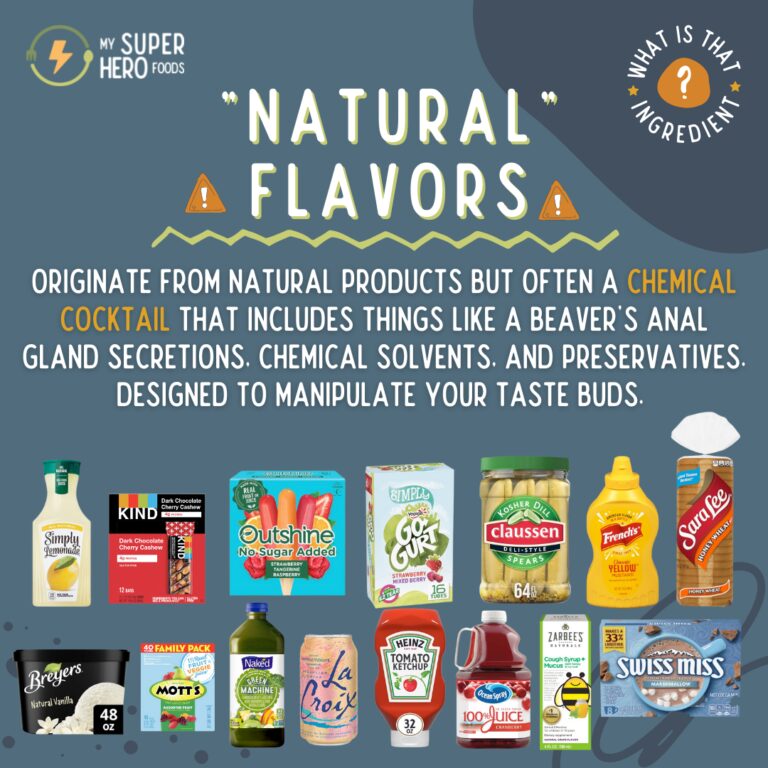
As you scan the ingredient list on your favorite food or product, have you ever wondered what “natural aroma” means? Is it a guarantee of quality or safety? Let’s dive into the world of natural aromas and explore what they are, their benefits, and what you need to know.
What Are Natural Aromas?
Natural aromas refer to essential oils or aromatic compounds extracted from plants, animals, or microorganisms. These substances are obtained through physical, enzymatic, or microbiological processes, and they can be used as flavorings or fragrances in food products. However, not all natural aromas are created equal.
The Evolution of Natural Aromas
In the past, the term “natural aroma” referred to a broad category of aromatic compounds obtained from various sources, including fruits, herbs, spices, and even animal-derived ingredients. However, with changing laws and regulations, the definition of natural aromas has become more specific.
Today, we can distinguish between three categories of natural aromas:
- Natural-Identical Aromas: These are synthetic compounds that mimic the aroma of a natural ingredient but are not derived from it. They were previously allowed in food products, but their use is now limited or banned due to concerns about safety and authenticity.
- Artificial Aromas: These are synthetic compounds created in a laboratory using chemical reactions. While they may be cheaper than natural aromas, they can have a negative impact on health and the environment.
- Natural Aromas: These are essential oils or aromatic compounds that are derived from plants, animals, or microorganisms. They must contain at least 95% of the natural ingredient’s aroma.
The Elusive “Natural Aroma” Label
When you see a product labeled as “natural aroma,” it can be confusing to determine what exactly is in it. The term is often used loosely, and manufacturers may claim that their products contain natural aromas when they actually contain a mix of natural and artificial compounds.
To avoid confusion, look for the following on the label:
- “Aroma Naturale”: This indicates that the product contains at least 95% of the natural ingredient’s aroma.
- “Ingredienti Naturali”: While this phrase implies that the product contains natural ingredients, it does not guarantee that they are used as aromas.
Natural Aromas in Food and Products
Natural aromas play a crucial role in various industries, including:
- Food: Natural aromas are used to create flavor profiles and enhance the taste of food products.
- Cosmetics: Essential oils and natural aroma compounds are used in skincare and haircare products for their fragrance and therapeutic benefits.
- Pharmaceuticals: Natural aromas may be used as fragrances or flavorings in pharmaceutical products.
Food Industry Applications
In the food industry, natural aromas are used to enhance the taste and aroma of various products, including:
- Flavored waters and beverages: Natural aromas can be added to flavored waters and beverages to create unique and refreshing flavors.
- Baked goods and desserts: Essential oils and natural aroma compounds can be used to flavor baked goods and desserts, such as cakes, cookies, and ice cream.
- Spices and seasonings: Natural aromas are used in spice blends and seasonings to add depth and complexity to dishes.
Cosmetics Industry Applications
In the cosmetics industry, natural aromas are used in various products, including:
- Skincare products: Essential oils and natural aroma compounds can be used in skincare products, such as lotions, creams, and serums, for their therapeutic benefits.
- Haircare products: Natural aromas can be used in haircare products, such as shampoos, conditioners, and styling products, to enhance the scent and texture of hair.
- Perfumes and fragrances: Natural aroma compounds are used in perfumes and fragrances to create unique and alluring scents.
DIY Aromas: Creating Your Own Natural Aromas at Home
While commercial aromas can be convenient, making your own natural aromas at home is a fun and rewarding experience. You can use various ingredients like citrus peels, herbs, spices, and essential oils to create unique and aromatic blends.
Some popular DIY aroma projects include:
- Infused Oils: Infuse citrus peels or herbs in oil to create fragrant and flavorful infusions.
- Potpourri: Mix dried flowers, herbs, and spices to create a natural potpourri blend.
- Essential Oil Blends: Combine different essential oils to create unique fragrance profiles.
Benefits of Natural Aromas
Natural aromas offer several benefits, including:
- Improved health: Essential oils and natural aroma compounds can be used for their therapeutic benefits, such as relieving stress and anxiety, improving sleep quality, and boosting the immune system.
- Environmental sustainability: Natural aromas are biodegradable and non-toxic, making them a more sustainable alternative to artificial fragrances.
- Customization: DIY aromas allow you to create unique fragrance profiles tailored to your preferences.
Conclusion
Natural aromas are an essential part of our daily lives, but understanding what they are and how they’re used can be confusing. By learning more about the evolution of natural aromas and their benefits, you’ll be better equipped to make informed choices when shopping for food products or cosmetics.
In the next section, we’ll answer some frequently asked questions about natural aromas, so stay tuned!
Frequently Asked Questions
- Q: What is the difference between natural and artificial aromas?
A: Natural aromas are derived from plants, animals, or microorganisms, while artificial aromas are synthetic compounds created in a laboratory. - Q: Can I trust the “natural aroma” label on food products?
A: While the label implies that the product contains natural ingredients, it does not guarantee that they are used as aromas. - Q: How do I create my own natural aromas at home?
A: Try infusing oils, making potpourri blends, or combining essential oils to create unique fragrance profiles. - Q: Are natural aromas safe for consumption and use on the skin?
A: Generally, yes, but always follow proper usage guidelines and consult with a healthcare professional if you have concerns. - Q: Can I get my money back if I don’t like the aroma of a product?
A: Check the return policy of the manufacturer or store before making a purchase.



