
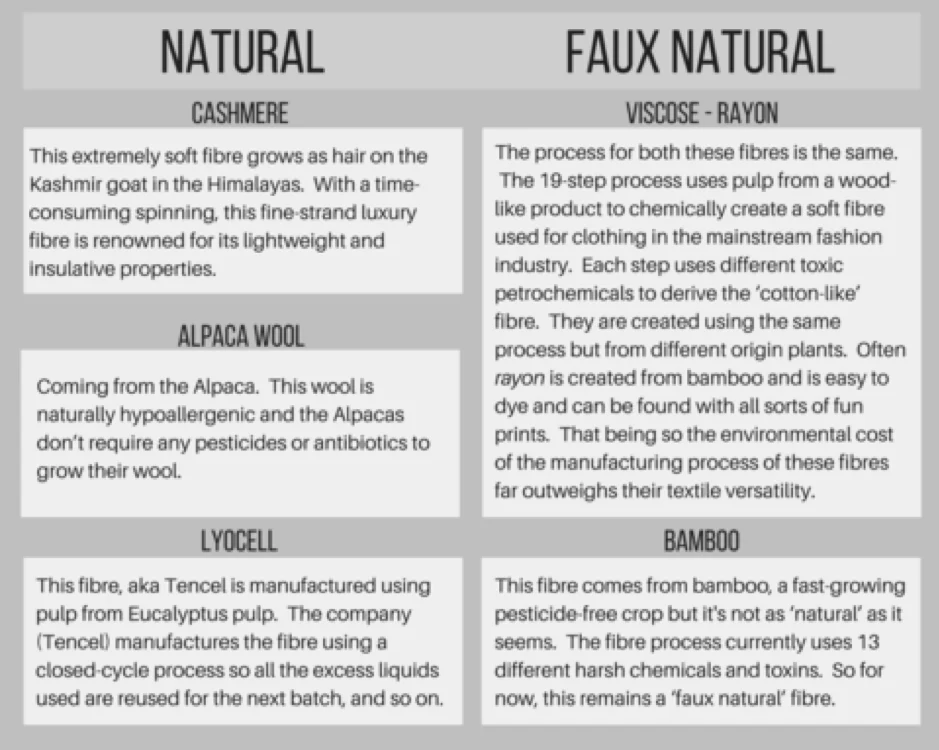
In recent years, natural fibres have become increasingly popular, making up approximately 40% of global textile production. But what exactly are these fibres, and how can they be used to create comfortable, eco-friendly clothing?
What Are Natural Fibres?
Natural fibres come in a wide range of varieties. Some of the most common ones include cotton, linen, hemp, jute, sisal, bamboo, and sugarcane. These fibres are derived from plants or animals, making them a sustainable alternative to synthetic materials.
There are several types of natural fibres:
- Plant-based: Cotton is one of the most widely produced natural fibres, followed by linen and hemp.
- Animal-based: Silk is made from silkworm cocoons, while wool comes from sheep and other animals.
The Benefits of Natural Fibres
One of the biggest advantages of natural fibres is their eco-friendliness. They are biodegradable, non-toxic, and can be composted at the end of their life cycle. Additionally, natural fibres are often softer on the skin than synthetic materials, making them a great choice for clothing that comes into contact with the body.
However, it’s essential to note that not all natural fibres have an impact-zero production process. While some may require less water and chemicals than others, they still involve some level of resource consumption. For example, cotton requires significant amounts of water and pesticides during its cultivation.
A Closer Look at Natural Fibre Production
Natural fibre production involves several steps, including harvesting, processing, and spinning. The type of natural fibre used can affect the production process, as well as the final product’s quality and durability.
For instance:
- Cotton: Cotton is often processed using mechanical ginning to separate its fibres from seeds.
- Linen: Linen is typically made from flax plants, which are harvested, retted (soaked in water), and then broken down into individual fibres.
- Hemp: Hemp can be processed using just water and heat, making it a highly sustainable option.
Fibre Types: A Comprehensive Guide
Here’s an overview of some common natural fibre types:
- Cotton: The most widely produced natural fibre, cotton is grown in many countries around the world. It’s often blended with synthetic fibres to enhance its durability.
- Linen: Known for its cooling properties and crisp texture, linen is a popular choice for summer clothing. It’s made from the flax plant and requires minimal processing.
- Hemp: With its exceptional strength-to-weight ratio, hemp fabric is highly sought after for outdoor gear and activewear. Hemp is also used in textiles and paper production.
Can You Find Natural Fibres Everywhere?
While natural fibres are becoming increasingly popular, they’re not as widely available as synthetic materials just yet. However, many clothing brands now offer natural fibre options, from cotton and linen blends to hemp and bamboo fabrics.
When shopping for natural fibres, look for certifications like GOTS (Global Organic Textile Standard) or Oeko-Tex, which ensure the fabric meets certain eco-friendly standards.
The Future of Natural Fibres
As consumers become more environmentally conscious, demand for natural fibres is expected to rise. This trend has already led to increased investment in sustainable agriculture practices and innovative textile production methods.
While there’s still room for improvement in terms of resource efficiency and environmental impact, natural fibres offer a promising alternative to synthetic materials.
Conclusion
Natural fibres are no longer just a niche product – they’re becoming increasingly mainstream. By understanding the benefits, uses, and limitations of these sustainable materials, we can make more informed choices about our clothing purchases and contribute to a more environmentally friendly fashion industry.
Frequently Asked Questions
- What is the difference between natural and organic fibers?
- Natural fibers come from plants or animals, while organic fibers are grown without synthetic pesticides or fertilizers.
- How do I choose the right fabric for my clothing needs?
- Consider factors like climate, activity level, and personal comfort when selecting a fabric type.
- Are natural fibers always more expensive than synthetic materials?
- No, while some natural fibers may be pricier due to higher production costs or certification requirements, others can be competitively priced with synthetic materials.
- Can I use natural fibers for outdoor gear and activewear?
- Yes, many natural fibers like hemp, bamboo, and cotton are suitable for outdoor clothing due to their durability and breathability.
- How do I care for my natural fiber clothing to extend its lifespan?
- Follow the manufacturer’s washing instructions, avoid over-drying, and store your garments properly to maintain their quality and longevity.
I hope you found this article informative and helpful in understanding the world of natural fibres!


