
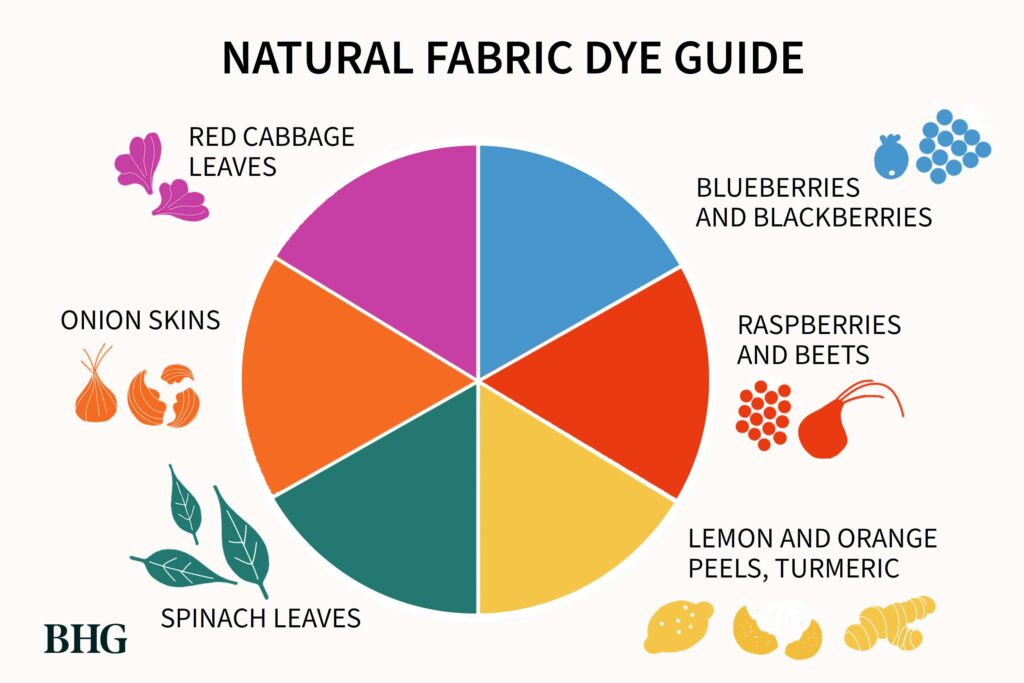
Are you interested in exploring the world of natural dyes? With a little creativity and some basic materials, you can create beautiful, sustainable colors for your fabrics. In this article, we’ll delve into the world of natural dyes, covering everything from choosing the right materials to creating unique color recipes.
Why Choose Natural Dyes?
Natural dyes offer several benefits over synthetic alternatives. They are:
- Sustainable: Natural dyes are made from plant-based ingredients, reducing the environmental impact of textile production.
- Non-toxic: Unlike synthetic dyes, natural dyes are free from harsh chemicals that can harm human health and the environment.
- Unique: Each natural dye recipe produces a unique color, making it perfect for artists and designers looking to create one-of-a-kind fabrics.
Choosing the Right Fabric
When selecting a fabric for natural dyeing, consider the type of fiber and its properties. Different fibers respond differently to natural dyes:
- Wool: Wool fibers are ideal for natural dyes, as they hold color well and can produce vibrant results.
- Silk: Silk fibers are more delicate than wool and may require additional care when working with natural dyes.
- Cotton: Cotton fibers are relatively easy to work with, but may not retain color as well as other fibers.
Preparing the Materials
Before starting your natural dye project, make sure you have the following materials:
- Natural dye ingredients: Choose from a variety of plant-based ingredients, such as herbs, spices, and fruits.
- Water: Use fresh water for all natural dye recipes to ensure optimal color results.
- Equipment: Gather necessary equipment, including pots, colanders, and measuring cups.
Cavolo Rosso: A Simple Natural Dye Recipe
One of the most popular natural dyes is the cavolo rosso (red cabbage). This recipe produces a beautiful, vibrant purple color:
- Chop five times the amount of red cabbage as you have fabric.
- Combine the chopped cabbage with water in a pot and bring to a boil.
- Reduce heat and simmer for several hours or overnight.
- Strain the liquid and discard the solids.
Caffè: A Coffee-Based Natural Dye
Coffee is another popular natural dye ingredient, especially when it comes to creating rich, brown colors:
- Grind coffee beans and soak them in water for several hours or overnight.
- Strain the liquid and combine it with your fabric.
- Heat the mixture gently over low heat.
Carota: A Natural Dye Made from Carrots
Carrot peels can be used to create a beautiful, golden yellow color:
- Chop carrot peels into small pieces and soak them in water for several hours or overnight.
- Strain the liquid and combine it with your fabric.
- Heat the mixture gently over low heat.
Ibisco: A Natural Dye Made from Hibiscus Flowers
Hibiscus flowers can be used to create a range of colors, including pink and purple:
- Combine hibiscus flowers with water in a pot and bring to a boil.
- Reduce heat and simmer for several hours or overnight.
- Strain the liquid and discard the solids.
Cipolle Gialle: A Natural Dye Made from Onion Peels
Onion peels can be used to create a beautiful, golden yellow color:
- Chop onion peels into small pieces and soak them in water for several hours or overnight.
- Strain the liquid and combine it with your fabric.
- Heat the mixture gently over low heat.
Tips and Tricks
- Always follow safety guidelines when working with natural dyes, especially when it comes to handling hot equipment and caustic materials.
- Experiment with different natural dye ingredients and color combinations to create unique results.
- Consider adding mordants or fixatives to enhance the colorfastness of your natural dyes.
Working with Natural Dye Ingredients
When working with natural dyes, it’s essential to understand their properties and how they interact with different fabrics. Here are some key things to keep in mind:
- Color intensity: Natural dyes can produce a wide range of colors, from soft pastels to deep, rich hues.
- Fiber compatibility: Different fibers respond differently to natural dyes, so it’s essential to choose the right fabric for your project.
- Mordants and fixatives: These substances can enhance the colorfastness of your natural dyes and improve their overall performance.
Natural Dye Recipes
Here are some additional natural dye recipes you might find useful:
- Turmeric and indigo: This combination produces a beautiful, blue-green color that’s perfect for creating unique patterns.
- Coffee and cinnamon: This pairing creates a rich, warm brown color that’s ideal for autumnal-themed projects.
- Beetroot and turmeric: This recipe produces a vibrant, pink-red color that’s great for adding pops of color to your designs.
Mordants and Fixatives
Mordants and fixatives are essential components in natural dyeing. They can enhance the colorfastness of your dyes and improve their overall performance. Here are some common mordants and fixatives:
- Alum: A natural mordant that’s commonly used to create rich, vibrant colors.
- Cinnamon: A natural fixative that helps to stabilize the color of your dyes.
- Vinegar: A natural acid that can help to enhance the colorfastness of your dyes.
Conclusion
Natural dyes offer a sustainable and creative way to add color to your fabrics. By following these simple recipes, tips, and tricks, you can create beautiful, one-of-a-kind pieces that showcase your unique style. Happy dyeing!
Frequently Asked Questions (FAQs)
Q: What is the best natural dye ingredient for creating a vibrant purple color?
A: Cavolo rosso (red cabbage) is an excellent choice for creating a rich, vibrant purple color.
Q: How do I prepare my fabric for natural dyeing?
A: Wash and dry your fabric before starting your natural dye project to ensure optimal results.
Q: Can I use synthetic dyes instead of natural dyes?
A: While synthetic dyes are widely available, they can have negative environmental impacts. Natural dyes offer a sustainable alternative for those looking to reduce their ecological footprint.
Q: How do I care for my natural dyed fabrics?
A: Follow the recommended washing and drying instructions for your specific fabric type to ensure the color lasts.
Q: What are some common mistakes to avoid when working with natural dyes?
A: Common mistakes include over-dyeing, under-dyeing, and using the wrong mordant or fixative. Always follow safety guidelines and experiment with different techniques to achieve optimal results.


