
Are you one of the millions of people worldwide who suffer from anxiety disorders that can sometimes lead to panic attacks? Anxiety is a common mental health condition characterized by persistent, uncontrollable, and overwhelming feelings of fear, worry, and discomfort due to the threat of something bad happening soon.
Anxiety disorders are estimated to affect over 300 million people globally, with many more experiencing mild symptoms. Despite its prevalence, anxiety remains a stigmatized topic, with many individuals preferring to ignore their condition or resorting to DIY remedies that often make things worse. In this article, we will explore the role of diet in anxiety, natural remedies for anxiety, and discuss specific herbs like valerian root, hypericum (St. John’s Wort), and melissa (lemon balm).
The Role of Diet in Anxiety
The relationship between diet and anxiety is complex and not yet fully understood. Research on animals suggests that both the composition of our diet and eating habits can influence anxiety levels. It’s not just what we eat, but also the experiences we have while eating, including the diet our mothers followed during pregnancy.
Studies conducted on rats have shown that a high-sugar diet can increase anxious behavior, while a high-fat diet can reduce it. Eliminating a high-grain and sugar-rich diet from obese animals has been shown to increase anxiety levels as well. Irregular eating habits can also affect behavior through their impact on hormones, leading to increased stress and anxiety.
The gut-brain axis is an emerging area of research that suggests the gut microbiome plays a crucial role in mood regulation and anxiety. An imbalance of gut bacteria, or dysbiosis, has been linked to anxiety disorders. Incorporating probiotics, prebiotics, and other gut-friendly nutrients into our diet may help alleviate symptoms.
Natural Remedies for Anxiety
While dietary remedies are not proven and conventional medication for anxiety may be expensive, difficult to obtain, and have negative side effects, there are various natural herbal remedies that might be worth trying. Please note that any changes to your lifestyle must be fully discussed with your doctor before starting any new supplement or remedy.
- Herbal Supplements
Several herbs have been studied for their potential anxiety-relieving properties. Some of the most promising include:
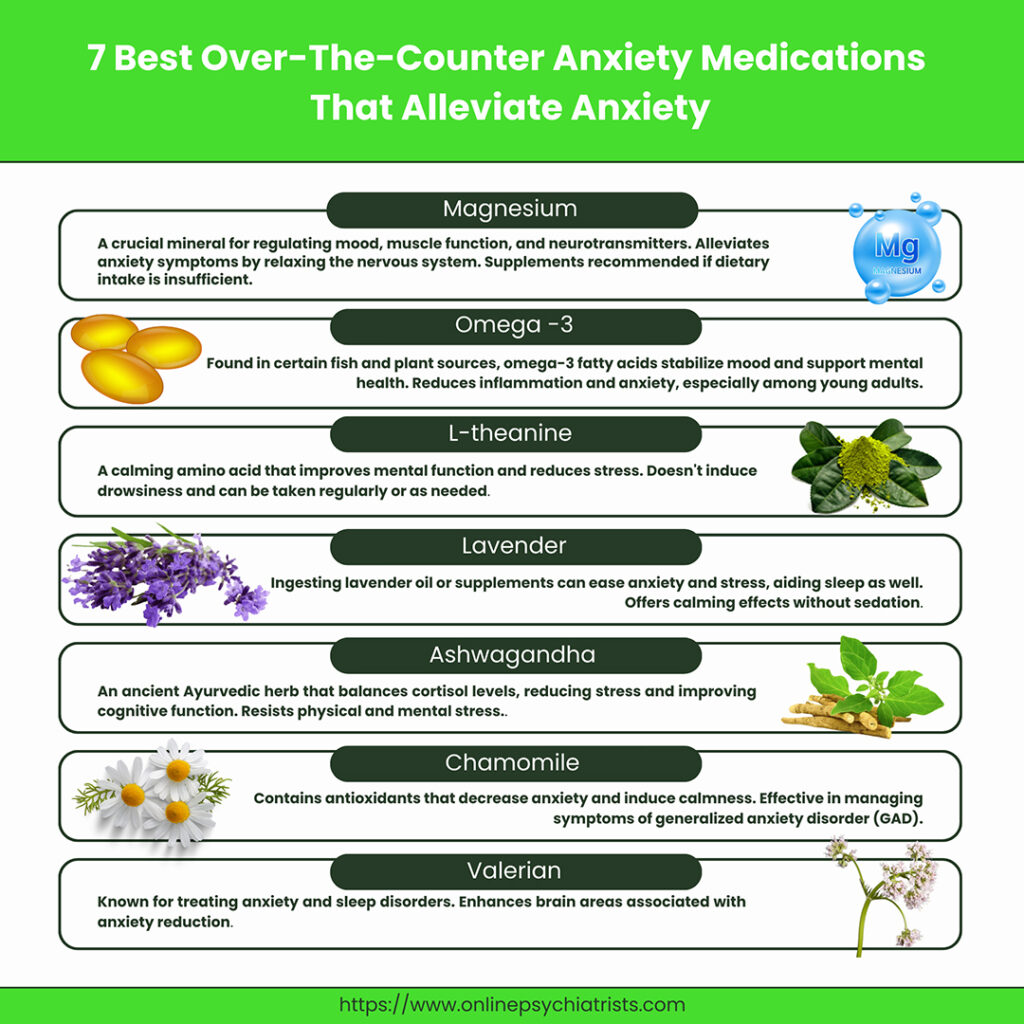
- Valerian root: Known for its sedative and calming effects, valerian root has been shown to promote sleep quality and improve overall rest.
- Hypericum (St. John’s Wort): While primarily studied for depression treatment, some studies have found that St. John’s Wort may also be effective in reducing anxiety symptoms.
-
Melissa (Lemon Balm): Recognized for its effectiveness in treating insomnia nervosa, melissa officinalis has been shown to manage anxiety effectively.
-
Vitamins and Minerals
Certain vitamins and minerals play a crucial role in regulating mood and anxiety levels. Some of the most important include:
- Vitamin B complex: Plays a critical role in synthesizing neurotransmitters like serotonin and dopamine, which regulate mood and anxiety.
-
Omega-3 fatty acids: Essential for brain health, omega-3s have been shown to reduce inflammation and alleviate symptoms of anxiety disorders.
-
Aromatherapy
Aromatherapy has gained popularity as a natural way to manage anxiety. Certain essential oils, such as lavender, bergamot, and chamomile, have been shown to promote relaxation and calmness.
- Exercise and Mindfulness
Regular exercise and mindfulness practices have been shown to reduce symptoms of anxiety disorders. Exercise releases endorphins, which are natural mood-boosters, while mindfulness techniques can help individuals become more aware of their thoughts and emotions, allowing them to better manage stress and anxiety.
- Sleep Hygiene
Establishing a consistent sleep schedule, avoiding caffeine and electronics before bedtime, and creating a relaxing bedtime routine can all contribute to better sleep quality and reduced symptoms of anxiety.
In conclusion, while natural remedies for anxiety may not be a replacement for conventional treatment, they can be a valuable addition to an individual’s toolkit. By incorporating dietary changes, herbal supplements, vitamins and minerals, aromatherapy, exercise, mindfulness, and sleep hygiene practices into your daily routine, you can take the first steps towards managing your anxiety symptoms.
Consult with your doctor or a qualified healthcare professional before starting any new supplement or remedy, especially if you’re already taking medication for anxiety.


