
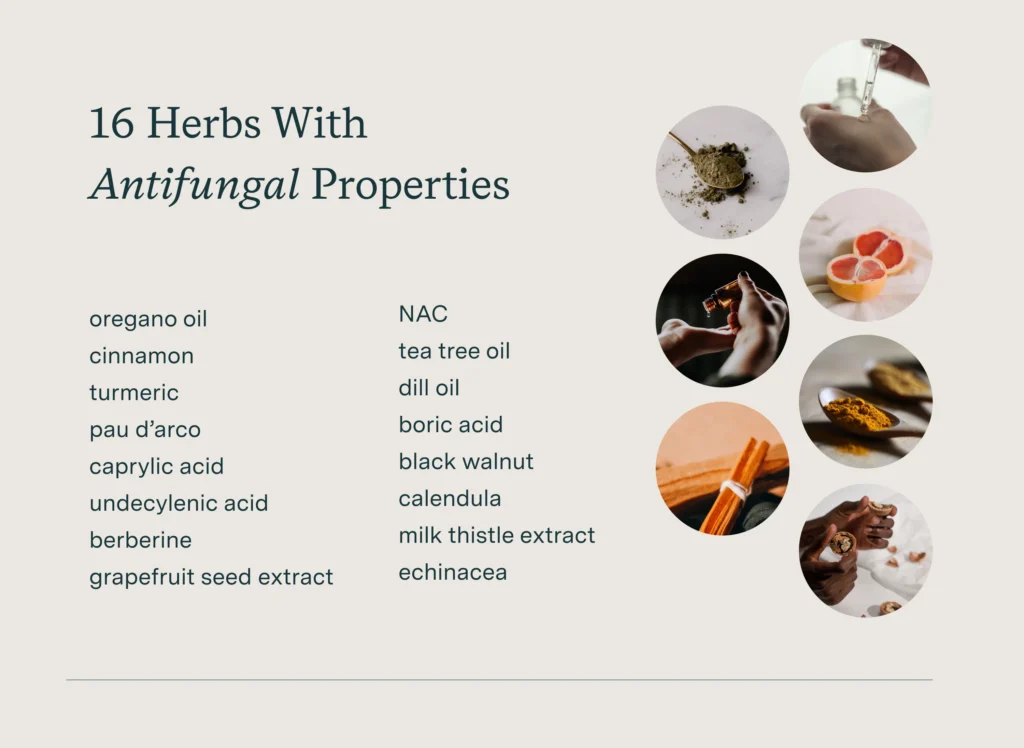
Fungal infections are a common problem that can affect anyone, regardless of age or health status. These infections can manifest in various parts of the body, including the skin, nails, and internal organs. In this article, we will explore four natural antifungals that can help treat fungal infections without causing any side effects.
The Fungal Menace: Understanding the Enemy
Fungi are parasitic organisms that thrive in warm, humid environments. They can infect various parts of the body, including the skin, nails, and mucous membranes. The most common areas affected by fungal infections include:
- Skin: Athlete’s foot, ringworm, and fungal rashes
- Nails: Fungal nail infections, brittle nails, and nail discoloration
- Internal Organs: In rare cases, fungi can infect internal organs like the liver, lungs, or brain
Natural Antifungals: A Powerful Alternative
While conventional antifungals are effective, they often come with a long list of side effects. Natural antifungals offer a safer alternative to treat fungal infections without causing harm to the body.
1. Tea Tree Oil
Tea tree oil is an essential oil extracted from the leaves of the Melaleuca alternifolia plant. It has been used for centuries to treat various skin conditions, including fungal infections. The antimicrobial properties of tea tree oil make it effective against a wide range of fungi.
- How to use: Dilute tea tree oil with a carrier oil and apply topically to affected areas
- Precautions: Use with caution, as excessive application can cause irritation
2. Garlic
Garlic has antiseptic and antibacterial properties that make it an effective natural antifungal agent. Crushed garlic can be applied topically to treat fungal infections.
- How to use: Mix crushed garlic with a carrier oil or apply directly to affected areas
- Precautions: Avoid applying garlic to open wounds or sensitive skin
3. Apple Cider Vinegar
Apple cider vinegar has antifungal properties that make it effective against various types of fungi. It can be applied topically to treat fungal infections.
- How to use: Dilute apple cider vinegar with water and apply topically to affected areas
- Precautions: Avoid applying undiluted apple cider vinegar, as it can cause irritation
4. Oregano Oil
Oregano oil is an essential oil extracted from the leaves of the Origanum vulgare plant. It has antifungal and antibacterial properties that make it effective against various types of fungi.
- How to use: Dilute oregano oil with a carrier oil and apply topically to affected areas
- Precautions: Use with caution, as excessive application can cause irritation
Combining Natural Antifungals for Effective Treatment
Combining natural antifungals can enhance their effectiveness in treating fungal infections. Some popular combinations include:
- Tea tree oil and garlic
- Apple cider vinegar and oregano oil
Benefits of Using Natural Antifungals
Using natural antifungals offers several benefits, including:
- Reduced risk of side effects: Natural antifungals are generally safer than conventional antifungals, which can cause a range of side effects.
- Cost-effective: Natural antifungals are often cheaper than conventional antifungals and can be purchased at local health food stores or online.
- Environmentally friendly: Natural antifungals are biodegradable and non-toxic, making them an environmentally friendly alternative to conventional antifungals.
Preventing Fungal Infections
Preventing fungal infections is often the best approach. Here are some tips for preventing fungal infections:
- Practice good hygiene: Keep your skin clean and dry, and avoid sharing personal items with others.
- Wear breathable clothing: Avoid wearing synthetic fabrics like polyester or nylon, which can trap moisture and create a warm environment for fungi to grow.
- Use antifungal products: Apply antifungal creams or ointments to affected areas to prevent infection.
Conclusion
Natural antifungals offer a safer alternative to treat fungal infections without causing harm to the body. By combining these natural agents, individuals can create effective treatments for various types of fungal infections.
Frequently Asked Questions (FAQs)
- What are the best natural antifungals for treating fungal infections?
- Tea tree oil, garlic, apple cider vinegar, and oregano oil are popular natural antifungals that can help treat fungal infections.
- How do I use tea tree oil to treat fungal infections?
- Dilute tea tree oil with a carrier oil and apply topically to affected areas.
- Can garlic be used to treat fungal nail infections?
- Yes, crushed garlic can be applied topically to treat fungal nail infections.
- What are the precautions when using natural antifungals?
- Use with caution, as excessive application can cause irritation or other side effects.
- Can I use apple cider vinegar to treat fungal rashes?
- Yes, dilute apple cider vinegar with water and apply topically to affected areas.
- How do I combine natural antifungals for effective treatment?
- Combine tea tree oil and garlic, or apple cider vinegar and oregano oil for enhanced effectiveness.
Note: If you are experiencing severe symptoms or difficulty treating fungal infections, consult a healthcare professional for guidance.


