
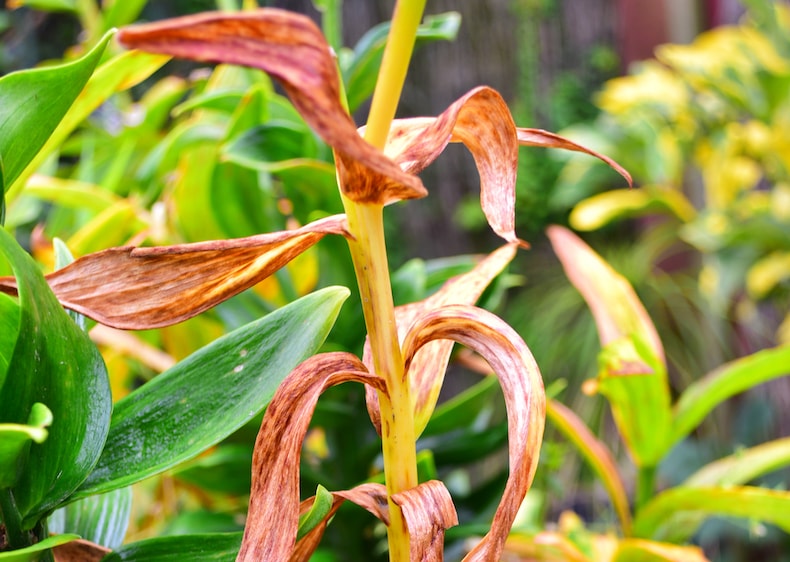
As a result of its exotic nature, the Natalina plant has become a popular choice among gardeners and enthusiasts alike. Native to the southern regions of Brazil, this member of the cactaceae family has adapted well to various climates, making it easy to cultivate in both indoor and outdoor settings.
Understanding the Natalina Plant
Despite its native habitat being warm, the Natalina plant can thrive in different environments, provided that proper care is taken. One of the key factors to consider when caring for this plant is the use of specific soil, which should be rich in minerals. Watering and fertilization are also crucial, as overwatering or underfertilization can cause damage to the plant.
The Natalina plant is a perennial succulent that requires regular watering and mineral-rich soil to flourish. With proper care, it can produce stunning inflorescences during the holiday season, typically between December and January.
Characteristics of the Natalina Plant
The Natalina plant has unique characteristics that set it apart from other plants. Its leaves are connected to each other in a peculiar way, forming a chain-like structure. The leaves themselves tend to grow downwards, giving rise to small, delicate flowers with purple or pink hues.
To maintain the health and beauty of the Natalina plant’s flowers, it is essential to keep them away from direct sunlight and drafts. This will help prevent damage to the petals and ensure that they continue to bloom for as long as possible.
Growing the Natalina Plant
Growing the Natalina plant requires attention to its specific needs. Here are some key points to consider:
- Lighting: The Natalina plant prefers bright, indirect light, rather than direct sunlight, which can cause damage to the flowers.
- Watering: Consistent moisture is essential for the Natalina plant’s growth, but make sure not to overwater it, as this can lead to root rot and other problems.
- Soil: Use a well-draining potting mix rich in minerals to provide the necessary nutrients for healthy growth.
- Fertilization: Feed your Natalina plant with a balanced fertilizer during the growing season to promote healthy development.
In addition to proper care, it is also important to monitor your Natalina plant’s watering needs. Overwatering can be particularly damaging to this species, as it can cause root rot and other problems. To avoid overwatering, make sure to water your plant when the soil feels dry to the touch, rather than relying on a specific schedule.
Common Problems with the Natalina Plant
Like all plants, the Natalina can be susceptible to certain problems. Here are some common issues and how to address them:
- Cocciniglia cotonosa: If you notice white patches on your plant’s stems, it may be infested with the cottony coccinia insect.
- Lumache: Remove any unwanted slugs or snails from your plant as soon as possible to prevent damage.
Propagating the Natalina Plant
If you want to multiply your Natalina plant, here are some steps to follow:
- Take cuttings: Cut a section of stem from your mature plant during the spring months and let it dry for a few hours.
- Plant in soil or water: Plant the cutting in well-draining soil or water it until roots develop.
How Long Does a Natalina Plant Live?
With proper care, a Natalina plant can live up to 20-30 years, making it a long-lasting and rewarding addition to any garden.
If you’re interested in learning more about this beautiful plant, check out our article on the benefits of succulents for indoor gardening.
Tips for Keeping Your Natalina Plant Happy
To keep your Natalina plant thriving, follow these tips:
- Provide bright, indirect light: Direct sunlight can cause damage to the flowers.
- Water consistently: Check the soil moisture regularly and water only when necessary.
- Fertilize during the growing season: Use a balanced fertilizer to promote healthy growth.
Caring for Your Natalina Plant in Different Environments
While the Natalina plant is well-suited to indoor environments, it can also thrive outdoors. However, its specific needs may vary depending on where you live and how much sunlight your plant receives.
- Indoor: Bright, indirect light and temperatures between 65-75 degrees Fahrenheit.
- Outdoor: Full sun to partial shade and temperatures between 60-85 degrees Fahrenheit.


