
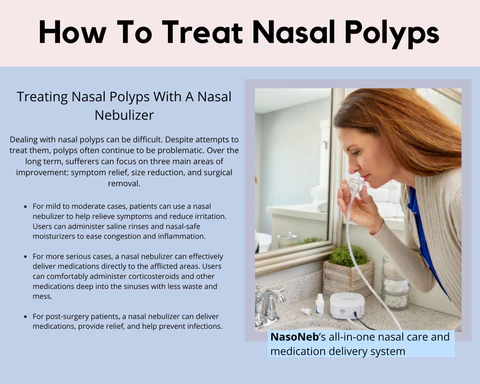
Nasal polyps are growths that occur on the lining of the nasal passages or sinuses. They can cause obstructive symptoms, such as difficulty breathing, nosebleeds, headaches, and loss of smell.
Causes of Nasal Polyps
The exact cause of nasal polyps is not fully understood, but several factors contribute to their development:
- Allergies: People with untreated allergies are more likely to develop nasal polyps.
- Asthma: Individuals with asthma are at higher risk.
- Chronic inflammation: Long-term inflammation in the nasal passages can lead to polyp growth.
Other contributing factors include:
- Infections
- Sensitivity to aspirin or other medications
- Anatomical issues that put pressure on the sinuses
- Imbalanced blood flow to the nasal mucosa
Symptoms of Nasal Polyps
The size and location of polyps can vary, but they can cause a range of symptoms, including:
- Difficulty breathing through the nose
- Nasal congestion or blockage
- Loss of smell (anosmia)
- Headaches
- Sinus pressure
- Nostril discharge (nasal mucus)
- Bad breath
Treatment for Nasal Polyps
Treatment options depend on the severity and location of polyps, as well as the individual’s overall health.
- Surgery: In some cases, surgery may be necessary to remove polyps.
- Medications: Corticosteroids, antihistamines, and antibiotics can help manage symptoms and reduce inflammation.
- Lifestyle Changes: Maintaining a healthy lifestyle, avoiding allergens, and practicing good hygiene can help prevent polyp growth.
Natural Remedies for Nasal Polyps
While these remedies should not replace medical treatment, they may help alleviate symptoms:
- Saltwater Rinse: A solution of salt water can help clear nasal passages and reduce inflammation.
- Tea Tree Oil: Its antibacterial properties make it a natural remedy for polyp growth.
- Vitamin C-Rich Foods: Consuming foods high in vitamin C, such as citrus fruits and leafy greens, can boost the immune system.
- Essential Oils: Inhaling essential oils like eucalyptus or menthol can help open nasal passages and reduce congestion.
Preventing Nasal Polyps
While it’s not possible to completely prevent polyp growth, adopting a healthy lifestyle and managing underlying conditions can lower the risk:
- Identify and manage allergies
- Practice good hygiene
- Maintain a healthy weight
- Avoid irritants like tobacco smoke
Surgical Options for Nasal Polyps
In some cases, surgery may be necessary to remove polyps. There are several surgical options available, including:
- Endoscopic Sinus Surgery: This procedure involves using an endoscope to visualize the nasal passages and sinuses.
- Open-Ended Sinus Surgery: This is a more invasive procedure that requires an incision in the upper lip or nostril.
Medications for Nasal Polyps
Medications can help manage symptoms and reduce inflammation associated with polyps. Some common medications include:
- Corticosteroids: These medications can be taken orally, inhaled through the nose, or injected into the nasal passages.
- Antihistamines: These medications can help alleviate congestion and sinus pressure.
- Antibiotics: In some cases, antibiotics may be prescribed to treat bacterial infections associated with polyps.
Alternative Therapies for Nasal Polyps
In addition to conventional treatments, alternative therapies such as acupuncture, chiropractic care, and herbal remedies have been used to help manage symptoms and reduce inflammation. While these alternatives should not replace medical treatment, they may be useful in conjunction with traditional therapies.
Lifestyle Changes for Nasal Polyps
Maintaining a healthy lifestyle can help prevent polyp growth and alleviate symptoms. Some lifestyle changes that may be beneficial include:
- Avoiding Allergens: Identifying and managing allergies is essential for preventing polyp growth.
- Practicing Good Hygiene: Regularly cleaning the nasal passages with saline solution can help reduce inflammation and prevent polyp growth.
- Maintaining a Healthy Weight: Excess weight can put pressure on the sinuses, leading to polyp growth.
- Avoiding Irritants: Avoiding irritants such as tobacco smoke and pollutants can help reduce inflammation and prevent polyp growth.
Conclusion
Nasal polyps are a common condition that can cause significant discomfort. Understanding their causes, symptoms, treatment options, and natural remedies can help individuals take control of their health.
By adopting a healthy lifestyle, managing underlying conditions, and seeking medical attention when necessary, individuals can reduce the risk of developing nasal polyps and improve their overall quality of life.
Additional Resources
If you suspect that you have nasal polyps or are experiencing symptoms associated with this condition, consult with a healthcare professional for proper diagnosis and treatment. Some additional resources available include:
- National Institute of Allergy and Infectious Diseases (NIAID)
- American Academy of Otolaryngology-Head and Neck Surgery (AAO-HNS)
- The American Lung Association


