
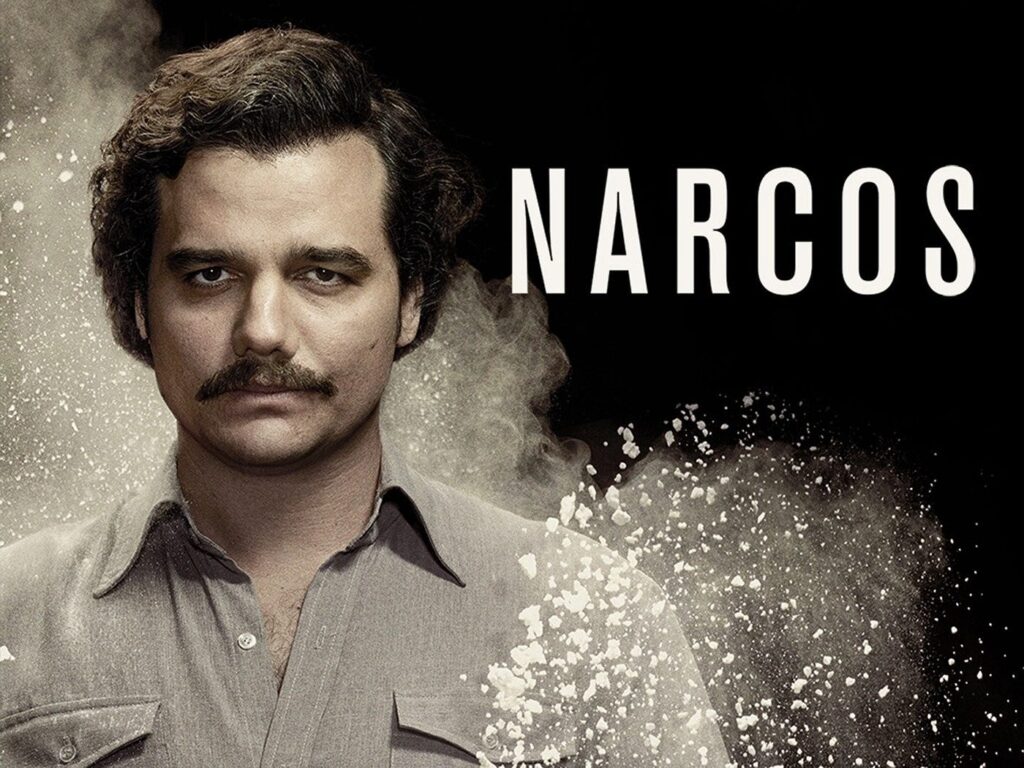
When it comes to groundbreaking television, few shows have had as profound an impact on the crime drama genre as Netflix’s acclaimed series Narcos. Launched in 2015, this gritty, tightly-woven narrative about the rise and fall of drug kingpin Pablo Escobar captivated audiences worldwide and set a new standard for storytelling in the crime drama realm. But what is it about Narcos that has left an indelible mark on the genre? And how has it influenced subsequent shows? Let’s delve into the world of Narcos, exploring its unique qualities and examining its legacy within the broader context of television.
The Rise of Narcos
Narcos emerged at a time when audiences were craving more than just the typical crime procedural. The early 2010s marked a shift in television storytelling, with shows like Breaking Bad and The Wire exploring complex characters and moral ambiguity. These narratives opened the floodgates for more ambitious storytelling, leading to culturally rich, multi-faceted series. Narcos took this ethos and propelled it to new heights.
Set in Colombia, Narcos chronicles the life of Pablo Escobar, the infamous leader of the Medellín Cartel. The show not only highlights Escobar’s criminal exploits but also provides insight into the socio-political climate of Colombia during the 1980s and 1990s. This backdrop creates a sense of authenticity rarely seen in crime dramas, offering viewers a chance to understand the systemic issues tied to drug trafficking.
With a mix of powerful performances, particularly by Wagner Moura as Escobar, and a documentary-style approach, Narcos sets itself apart from other crime dramas. The series seamlessly intertwines real-life events with dramatization, providing a gripping and immersive experience that keeps viewers on the edge of their seats.
Shifting the Narrative: Complexity Over Stereotypes
One of the most groundbreaking aspects of Narcos is its departure from glorifying the criminal lifestyle. While many crime dramas have historically romanticized the lives of anti-heroes, Narcos presents a raw, unfiltered view of violence and the consequences of drug trafficking. This nuanced portrayal of Pablo Escobar and his associates paints a complex picture that avoids the pitfalls of one-dimensional characterizations often seen in earlier series.
By showing the impact of Escobar’s actions on everyday Colombians—families torn apart, communities devastated by violence, and law enforcement caught in the web of corruption—Narcos emphasizes the human cost of the drug trade. This shift in narrative style reflects a broader industry trend towards more responsible storytelling, recognizing the need to address societal issues and the real consequences of crime.
Authenticity in Storytelling
Another cornerstone of Narcos‘ success is its commitment to authenticity. From authentic accents to painstakingly recreated settings, the series prioritizes realism. The production team conducted extensive research, consulting historians and experts to ensure that the events and characters depicted on screen were as true to life as possible. This dedication to accuracy resonated with viewers and critics alike, elevating Narcos beyond mere entertainment to a cultural artifact worth analyzing.
This authenticity extends to the show’s use of bilingual dialogue. The interplay of English and Spanish not only creates a sense of place but also reflects the reality of the historical context. Narcos offers non-Spanish speakers a glimpse into Colombian culture and the emotional weight of the struggles presented without feeling overly simplified or watered down. This bilingual approach paved the way for more shows to embrace cultural diversity in their storytelling.
Crafting Compelling Characters
At its core, Narcos is driven by multifaceted characters who evolve through the series. While Pablo Escobar is the undeniable focal point, the show also devotes considerable time to characters like DEA agents Steve Murphy (Boyd Holbrook) and Javier Peña (Pedro Pascal). Their contrasting perspectives often serve to humanize both sides of the drug war, allowing the audience to empathize with the struggles of law enforcement while still understanding the motivations behind the cartel’s actions.
The depth of character development in Narcos stands in direct contrast to traditional crime dramas, where law enforcement tends to be painted as unequivocally ‘good’ and criminals as unequivocally ‘bad.’ Instead, Narcos embraces the gray areas of morality, inviting viewers to contemplate larger questions about justice, power, and ethics.
[amazon box=”B08XLLF3PG”]
Cinematic Techniques That Captivate
Visually, Narcos employs cinematic techniques more commonly seen in film than on television. The series utilizes breathtaking cinematography, creative camera angles, and thoughtful composition to enhance the narrative. The action sequences are meticulous and realistic, creating tension and urgency that draw viewers in.
Moreover, the show’s use of archival footage and real-life images serves to blend fiction and reality seamlessly. These elements heighten the viewing experience, encouraging deeper engagement with the themes at play. Narcos isn’t just a show; it’s a fully constructed world that invites the audience to step inside and experience the story firsthand.
The Influence on Subsequent Shows
The impact of Narcos on the crime drama genre is tangible, as it has inspired a wave of new series that push traditional boundaries. Netflix followed Narcos with Narcos: Mexico, which further expanded the narrative to explore the growth of the Mexican drug trade, reinforcing the idea that the themes of crime and power cross borders and cultures.
Shows like Ozark and Queen of the South also owe a debt to Narcos, featuring complex characters navigating murky moral waters. These series embrace the intricate storytelling style that Narcos pioneered, blending family dynamics with crime and consequences—all while keeping audiences gripped by tension and high stakes.
Moreover, Narcos has inspired a broader conversation about the portrayal of crime in media, prompting creators to examine how their stories can contribute to society’s understanding of issues like drug trafficking, corruption, and violence. As storytelling evolves, the influence of Narcos continues to be felt in the way new series develop their narratives and character arcs.
Cultural Resonance and Discussions Around Drug Policy
The success of Narcos has also led to broader discussions about drug policy and the societal implications tied to crime. The story of Pablo Escobar is not just a tale of one man’s ambition but a lens through which we can examine the complexities of the drug trade and its connections to policy, economic disparity, and societal trauma.
As Narcos has brought these issues to the forefront, audiences have engaged in dialogues about the effectiveness of current drug policies and the need for reform. By showcasing the brutal realities of the drug trade, the series encourages viewers to think critically about these matters, contributing to a more informed public discourse.
Conclusion: The Lasting Legacy of Narcos
Narcos has reshaped the crime drama genre with its gritty realism, complex characters, and dedication to authenticity. By prioritizing compelling storytelling over glorified portrayals of crime, the series has set a new benchmark for what a crime drama can—and should—entail. Its legacy can be seen in many subsequent shows that have adopted its techniques, challenges, and storytelling ethos.
More than just a captivating watch, Narcos serves as a powerful reminder of the complexities surrounding crime and the narratives we choose to amplify in our society. As we continue to engage with stories of crime, power, and morality, the influence of Narcos will undoubtedly remain a touchstone in the evolution of television storytelling for years to come.


