
Introduction
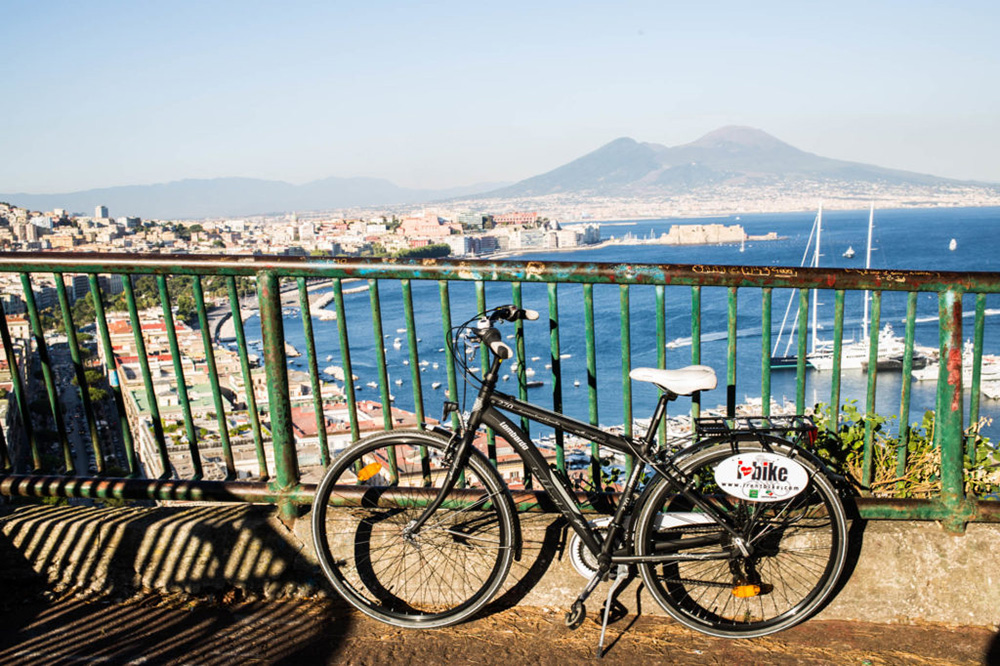
Naples, a city known for its rich history and cultural heritage, has finally got its own bike path. The inauguration ceremony took place on November 10th, and it marked a significant milestone in the city’s journey towards becoming a more livable and sustainable urban center. In this article, we’ll delve into the world of Naples’ bike path, exploring its benefits, challenges, and what makes it a symbol of the city’s growth.
A New Era for Cycling in Naples
The bike path, which stretches 20 kilometers from Bagnoli to Piazza Garibaldi, has been a long-awaited project. The first section, which spans from Bagnoli to Piazza Garibaldi, offers a scenic route through the heart of the city, passing by popular landmarks like Viale Kennedy and the Università di Ingegneria. However, it’s essential to note that this is not just a leisurely ride; Naples is a hilly city, and the path requires some effort.
A Brief History of Cycling in Naples
Cycling has been an integral part of Neapolitan culture for centuries. In fact, cycling was one of the earliest forms of transportation in Naples, with many residents using bicycles as a primary means of getting around. However, over time, the city’s infrastructure has not kept pace with the growing demand for cycling, leading to a decline in cycling rates.
The Need for a Bike Path
In recent years, there has been a renewed interest in cycling in Naples, driven by the need for sustainable transportation options and the desire to promote physical activity. The bike path is an essential component of this effort, providing a safe and enjoyable route for cyclists of all skill levels.
Benefits of the Bike Path
The bike path offers numerous benefits to citizens, including:
- Improved air quality: By reducing the number of cars on the road, the bike path helps to improve air quality in Naples.
- Increased physical activity: Cycling is a great way to get exercise and stay active, making the bike path an attractive option for those looking to improve their health.
- Enhanced mobility: The bike path provides a convenient and affordable way for citizens to travel around the city, reducing reliance on cars and promoting more sustainable transportation options.
Challenges Ahead
While the bike path offers many benefits, there are also several challenges that need to be addressed. One of the primary concerns is accessibility. The current transportation system does not provide an efficient way for citizens to reach the bike path from peripheral areas. Moreover, the lack of a comprehensive maintenance plan has raised questions about the long-term sustainability of the project.
A Path Under Construction
The bike path itself faces several issues. For instance, some sections are already occupied by homeless individuals, and the route passes through areas with high levels of air pollution and poor visibility. The tunnel Quattro Giornate is another concern, as it poses a significant hazard to cyclists. These challenges highlight the need for careful planning and ongoing maintenance to ensure the bike path remains safe and functional.
Public Opinion: A Mixed Reaction
Not everyone has been pleased with the introduction of the bike path. Some Neapolitans have expressed concerns about the lack of alternative transportation options, such as more parking areas or improved school safety measures. Others have criticized the city’s inability to prioritize infrastructure development, citing the need for a more comprehensive plan to address Naples’ growing pains.
A Symbol of Growth
Despite the challenges and criticisms, the bike path remains an important symbol of Naples’ commitment to growth and sustainability. It represents the city’s desire to become a more livable and environmentally friendly urban center. As citizens continue to explore and enjoy the bike path, they are also contributing to the city’s transformation.
The Future of Cycling in Naples
As the bike path continues to grow and evolve, it’s essential to consider the future of cycling in Naples. This includes:
- Expanding the bike path: The city should consider expanding the bike path to include more scenic routes and connect with other urban areas.
- Improving infrastructure: The city needs to prioritize infrastructure development, including the construction of dedicated bike lanes and improvements to public transportation.
- Promoting cycling education: Cycling education programs can help promote safe cycling practices and reduce accidents.
Conclusion
Naples’ bike path is more than just a piece of infrastructure; it’s a reflection of the city’s values and aspirations. While there are still challenges to be addressed, the bike path remains an essential component of Naples’ journey towards becoming a better, more sustainable place to live.
FAQs
- When was the bike path inaugurated?
The inauguration ceremony took place on November 10th, 2012. - How long is the bike path?
The bike path stretches 20 kilometers from Bagnoli to Piazza Garibaldi. - What are some of the challenges facing the bike path?
Accessibility, lack of maintenance plan, and safety concerns are among the primary issues. - Is the bike path only suitable for experienced cyclists?
No, the bike path is designed to be accessible to citizens of all skill levels. - Can you use public transportation to reach the bike path?
Unfortunately, the current transportation system does not provide an efficient way to reach the bike path from peripheral areas. - Are there plans to expand the bike path in the future?
While no official expansion plans have been announced, the city is committed to ongoing maintenance and improvement. - What can I do to help ensure the bike path remains safe and functional?
Citizens can contribute by reporting safety concerns or suggesting improvements to the city’s infrastructure department. - Is the bike path a symbol of Naples’ growth and sustainability?
Yes, the bike path represents the city’s commitment to becoming a more livable and environmentally friendly urban center.
Benefits for Local Businesses
The bike path also offers numerous benefits for local businesses, including:
- Increased foot traffic: The bike path provides an opportunity for cyclists to explore the city’s many attractions, increasing foot traffic in nearby businesses.
- Improved accessibility: The bike path makes it easier for customers to reach local businesses, especially those located near public transportation hubs.
- Enhanced reputation: Businesses that support cycling infrastructure are more likely to be seen as environmentally friendly and socially responsible.
Benefits for the Environment
The bike path also has numerous environmental benefits, including:
- Reduced air pollution: By reducing the number of cars on the road, the bike path helps to improve air quality in Naples.
- Conservation of natural resources: Cycling is a more energy-efficient mode of transportation than driving, helping to conserve natural resources and reduce greenhouse gas emissions.
- Promotion of sustainable urban planning: The bike path demonstrates a commitment to sustainable urban planning, prioritizing the needs of citizens and promoting environmental sustainability.
Conclusion
In conclusion, Naples’ bike path is an important symbol of the city’s growth and sustainability. While there are still challenges to be addressed, the bike path remains an essential component of Naples’ journey towards becoming a better, more livable place to live.


