
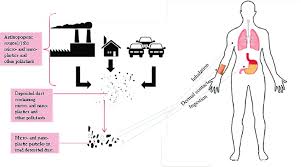
What are Nano Pollutants?
Nano pollutants are all the substances suspended in the air, such as pollen, spores, saltwater spray, and soil lifted by the wind. However, since humans have increased their presence in the terrestrial ecosystem, various nano pollutants of a harmful nature have been added to this list, generated from chemical combustion processes like metals, sulfates, nitrates, ash, asbestos fibers, cement dust, and coal dust.
While natural ones are not harmful to our health, they can even be beneficial (for example, air rich in iodine near the sea). On the other hand, nano pollutants harmful to us are responsible for air pollution as well as acute and chronic diseases of the respiratory system and cardiovascular-circulatory apparatus.
The Main Sources of Nano Pollutants
The primary sources of these pollutants include industries, traffic, agriculture, and energy production. During combustion processes and other production processes, substances in the atmosphere are released, some of which do not directly harm air quality but form harmful substances for air. This happens through reactions with other substances present in the atmosphere.
For instance, when carbon dioxide reacts with water vapor in the presence of nitrogen oxides, it forms nitric acid. Similarly, when sulfur dioxide comes into contact with water vapor, it forms sulfurous acid. These acidic compounds can then react to form particulate matter, which is a major contributor to air pollution and associated health problems.
Harmful Substances
Substances that are polluting the environment include volatile organic compounds (VOCs) and small particles of dust, which negatively affect ecosystems, materials, and public health. These substances can penetrate deep into the lungs, causing inflammation, oxidative stress, and cell damage, ultimately leading to various health problems.
Some of the most harmful nano pollutants include:
- Particulate Matter (PM): This refers to small particles that are less than 2.5 micrometers in diameter. PM is a major contributor to air pollution and can cause respiratory problems, cardiovascular disease, and even cancer.
- Carbon Monoxide (CO): This colorless gas is produced by incomplete combustion of fossil fuels. Exposure to CO can lead to headaches, dizziness, nausea, and even death in high concentrations.
- Volatile Organic Compounds (VOCs): These are chemicals that evaporate easily at room temperature. VOCs can cause respiratory problems, eye irritation, and skin problems.
The Role of Industries
Industries are responsible for releasing oxides of carbonic anhydride, sulfurous acid, nitrogen oxides, small particles of dust, VOCs, methane, ammonia, and radioactive radiation into the air. Some of the most polluting industries include:
- Coal-Burning Power Plants: These plants release large amounts of particulate matter, sulfur dioxide, and nitrogen oxides into the air.
- Steel Production: This process involves heating metal ore with coal or natural gas, releasing pollutants like particulate matter, sulfur dioxide, and nitrogen oxides.
- Agricultural Activities: Fertilizers and pesticides used in agriculture can release VOCs and particulate matter into the air.
The Impact of Traffic
Traffic is another major source of nano pollutants. Emissions from vehicles include carbonic anhydride, carbon monoxide, nitrogen oxides, VOCs, and small particles of dust. These emissions can cause respiratory problems, cardiovascular disease, and even cancer.
Not only drivers but also those who do not drive contribute to pollution: heating homes and offices releases chemicals into the air. The use of paints or cosmetics releases polluting dust. Fertilizers for domestic animals and cleaning products also cause this issue! Finally, many chemicals (carbonic anhydride, carbon monoxide) are released when smoking.
The Environmental Impact
Nano pollutants have a significant impact on the environment. They can:
- Damage Ecosystems: Nano pollutants can alter the pH levels of soil, water, and air, making it difficult for plants and animals to survive.
- Affect Biodiversity: The presence of nano pollutants can lead to a decline in biodiversity, as certain species may be more susceptible to their harmful effects.
- Influence Climate Change: The release of greenhouse gases like carbon dioxide and methane contributes to climate change, which has severe consequences for the environment and human health.
Conclusion
The consequences of nano pollution are serious: we need to take immediate action to address these issues. By understanding the sources and impacts of nano pollutants, we can develop effective strategies to reduce their levels in the air and mitigate their effects on our health and environment.
Reducing emissions from industries and energy production, using eco-friendly products, increasing public awareness, and implementing stricter regulations on emissions are all crucial steps towards a cleaner and healthier future.


