
Tucked away in the rolling hills of Asia, Nandina domestica, also known as Sacred Bamboo, is a plant that has captured the hearts of many gardeners. Its beauty, versatility, and ease of care make it an ideal addition to any garden, whether you’re a seasoned horticulturist or a beginner.
What is Nandina domestica?
Nandina domestica is an evergreen shrub native to Asia, known for its rustic charm and ability to thrive in European climates. Reaching heights of 150-180 cm, it boasts robust roots, sturdy branches, and delicate “pennate” leaves that shimmer with vibrant green foliage.
The Sacred Bamboo: A Symbol of Good Fortune
In many Asian cultures, Nandina domestica is considered a symbol of good fortune and prosperity. Its presence near temples and shrines is not uncommon, as it’s believed to bring balance and harmony to the surroundings. Whether used as a standalone plant or trained into a bonsai, Nandina domestica adds an air of elegance and sophistication to any space.
The Invasive Nature of Nandina domestica
While Nandina domestica can be a stunning addition to your garden, its invasive tendencies in warm climates have led some to despise it. However, for those who appreciate its beauty, the benefits far outweigh the drawbacks. As an adaptable plant that tolerates drought and poor soil conditions, Nandina domestica is a true gem for horticulturists and gardeners alike.
Cultivating Nandina domestica
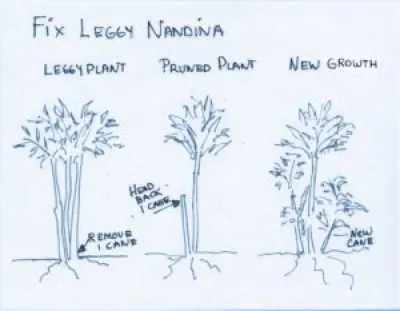
Fortunately, cultivating Nandina domestica is relatively easy. This hardy evergreen shrub can thrive in partial shade or full sun, making it an ideal choice for gardens of all sizes. While it’s not essential to prune regularly, a brief tidy every 6-12 months will keep your plant looking its best.
Pruning and Care
To ensure optimal growth and vibrant foliage, Nandina domestica requires:
- Well-draining soil that remains consistently moist but not waterlogged
- Occasional pruning to maintain shape and promote healthy growth
- Protection from extreme temperatures and frost
By following these simple care tips, you’ll be rewarded with a stunning display of green foliage and vibrant red berries in the spring.
Creating Your Own Nandina domestica Garden
Ready to embark on your own Nandina domestica journey? Here are some essential steps to get started:
- Choose the right location: Select a spot that receives partial shade or full sun, depending on your climate and personal preference.
- Select healthy plants: Pick seedlings with robust roots and vibrant green foliage to ensure optimal growth.
- Prepare the soil: Mix in organic matter like compost or manure to create a well-draining and fertile environment.
Propagation Methods
Nandina domestica can be propagated using various methods, including:
- Stem cuttings: Take 15-20 cm stem sections from the plant, remove lower leaves, and plant them in moist soil. Keep the soil consistently moist until roots develop.
- Leaf cuttings: Cut off individual leaves, remove excess tissue, and plant them in a propagation tray filled with well-draining mix.
- Division: Divide established plants during the growing season, making sure each division has at least one “eye” or stem bud.
Common Problems
Despite its adaptability, Nandina domestica may encounter some common issues, such as:
- Leaf scorch: This can be caused by extreme temperatures, drought, or intense sunlight. To prevent leaf scorch, provide your plant with partial shade and maintain consistent moisture levels.
- Root bound: If the roots of your Nandina domestica become too constricted, it may lead to reduced growth. Consider repotting your plant into a larger container with fresh, well-draining soil.
Pest and Disease Management
To ensure your Nandina domestica remains healthy and pest-free, follow these guidelines:
- Inspect plants regularly for signs of pests or disease
- Use organic pest control methods whenever possible
- Practice good hygiene to prevent the spread of disease
Conclusion
Nandina domestica, also known as Sacred Bamboo, is an extraordinary evergreen shrub that has captured the hearts of many gardeners. With its stunning foliage, adaptability, and ease of care, it’s no wonder why this plant has become a popular choice for gardens worldwide. Whether you’re a seasoned horticulturist or just starting out, Nandina domestica is sure to bring a touch of elegance and sophistication to your outdoor space.
Frequently Asked Questions
Q: Is Nandina domestica invasive in warm climates?
A: Yes, Nandina domestica can be invasive in warm climates due to its rapid growth rate and ability to outcompete native vegetation.
Q: How often should I prune my Nandina domestica plant?
A: Prune your Nandina domestica every 6-12 months to maintain shape and promote healthy growth.
Q: Can I grow Nandina domestica in containers?
A: Yes, Nandina domestica can thrive in containers, provided they have good drainage and a well-balanced potting mix.
Q: Is Nandina domestica suitable for shady areas?
A: While Nandina domestica prefers partial shade or full sun, it can tolerate some shade. However, prolonged shade may affect its growth and flowering.
Q: Can I propagate Nandina domestica through seeds?
A: Yes, you can propagate Nandina domestica using seeds. However, the process can be time-consuming and may not produce consistent results.
Q: Is Nandina domestica toxic to pets or humans?
A: While Nandina domestica is non-toxic, its berries are a potential choking hazard for pets.


