
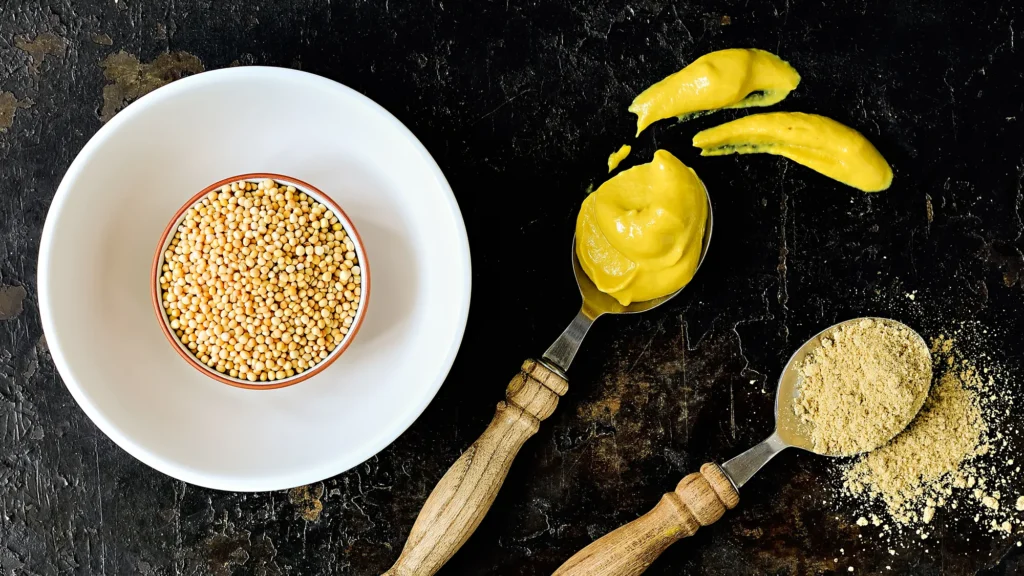
Mostarda, or mostard, is a sweet and savory spread made from fruit, sugar, and essence of mustard. It presents itself in the form of whole fruit or pieces, with a transparent-colored liquid that allows for easy identification of the fruit inside.
A Brief History of Mostarda
The origins of mostarda can be traced back to ancient Rome, where a similar condiment called “mosta” was made from preserved grapes and spices. Over time, the recipe evolved and spread throughout Europe, with each region developing its unique twist on the classic dish. In Italy, mostarda became a staple condiment, particularly in the northern regions of Lombardy and Piedmont.
The Taste of Mostarda
Mostarda has a delicate flavor that transitions into a bold and spicy taste due to the addition of mustard essence. The pungent aroma of mostarda is another distinctive characteristic that sets it apart from other condiments. The flavor profile of mostarda can vary depending on the type of fruit used, with apples and pears being the most commonly used ingredients.
How to Enjoy Mostarda
Mostarda pairs well with salty dishes, typically served alongside cooked meats or cheeses. It’s also commonly paired with formaggi (cheeses) as an appetizer. In recent times, due to its increased popularity in pairing with cheese, mostarda is now enjoyed throughout the year, not just during the winter season.
The Most Famous Mostarda Cities
In Italian culinary tradition, there are numerous types of mostarda, each with unique characteristics. However, Cremona and Mantova stand out as the two most famous cities renowned for their high-quality mostardas, both recognized as Traditional Food Products by Lombardy Region.
Cremona is known for its traditional method of making mostarda using a combination of apples and mustard essence, while Mantova is famous for its use of pears and a sweeter flavor profile. Both cities have been perfecting the art of mostarda-making for centuries, and their products are highly sought after by chefs and food enthusiasts alike.
Making Mostarda: A Step-by-Step Guide
For those looking to create their own mostarda, it’s essential to note that there is no definitive recipe. The amount of sugar added can be tailored according to personal preference. Here is a traditional recipe for the Mantua-style mostarda:
Ingredients:
1 kg of apples (preferably cotogne)
500 grams of sugar
1 lemon
7 drops of mustard essence
The Traditional Recipe of Mantova
For this recipe, we recommend using only 1 kg of apples and an additional 0.5 kg of pears. Feel free to experiment with other fruits such as plums, cherries, grapes, or any combination that suits your taste.
Note: When cooking the fruit mixture, make sure it retains its original color.
Step-by-Step Instructions for Making Mostarda
- Slice the apples and mix them with sugar.
- Add lemon juice to the apple slices and stir well.
- Let the mixture sit for 24 hours.
- Strain the liquid from the fruit mixture, leaving any remaining sugar behind.
- Boil the liquid until it reaches a boil, then reduce heat and cook for 4 minutes.
The Second Stage of Cooking
Repeat steps 4-5 with the resulting liquid until you achieve the desired consistency.
-
Combine the liquid with cooked and dried fruit.
-
Let the mixture sit in a container at room temperature for at least two days before adding a few drops of mustard essence (at your discretion).
Tips and Tricks
- Experiment with different types of fruits to create unique flavor profiles.
- Balance acidity, sweetness, and spiciness according to personal taste preferences.
- When cooking, avoid overcooking the fruit mixture as it may lose its original color.
How to Store Mostarda
Mostarda is best stored in an airtight container at room temperature for up to 6 months. Feel free to adjust the amount of sugar or mustard essence according to your personal taste preferences.
Frequently Asked Questions (FAQs)
- What is the healthiest way to consume mostarda?
Eating it as part of a balanced meal with plenty of fruits and vegetables. -
Can I make my own mostarda at home?
Yes, but be prepared for trial and error until you achieve the perfect taste. -
How can I use mostarda in cooking recipes?
Experiment with pairing it with cheese, meats, or other dishes to find your favorite combinations.
-
What are some popular types of mostarda found in Italy?
Cremona and Mantova, which are recognized for their high-quality products. -
Can I freeze mostarda?
No, as freezing can alter the flavor and texture of the product. -
Is it possible to make a low-sugar version of mostarda?
Yes, simply reduce the amount of sugar added during preparation. -
How do I store mostarda to maintain its quality?
Keep it in an airtight container at room temperature for up to 6 months. -
Can I consume mostarda if pregnant or breastfeeding?
Consult with your healthcare provider before consumption, as some may have concerns about the ingredients used. -
How does one choose the right fruits for making mostarda?
Choose a variety of fruits that range in maturity, such as acerbesque apples and sweet pears. -
What is the shelf life of homemade mostarda?
It will last up to 6 months when stored properly at room temperature. -
Can I make mostarda with alternative sweeteners?
Yes, consider alternatives like honey or maple syrup, but adjust the amount according to your taste preferences. -
How does one handle food allergies or intolerances related to mustard or sugar?
Be cautious and consider alternative ingredients for safe consumption. -
Can I make mostarda in large quantities?
Absolutely, just be mindful of storage space and follow proper canning procedures if desired. -
Is it worth trying a different type of fruit when making mostarda?
Yes, as each fruit variety adds its unique character to the final product. -
What is the recommended ratio for sugar to apple in mostarda?
This varies according to taste preferences and region-specific traditions; feel free to experiment.
By embracing these insights into the world of mostarda, you’ll be well on your way to mastering this delightful condiment and enhancing any meal with its distinctive flavors. Whether you’re a seasoned chef or an amateur food enthusiast, mostarda is sure to become a staple in your culinary repertoire.


