
Introduction
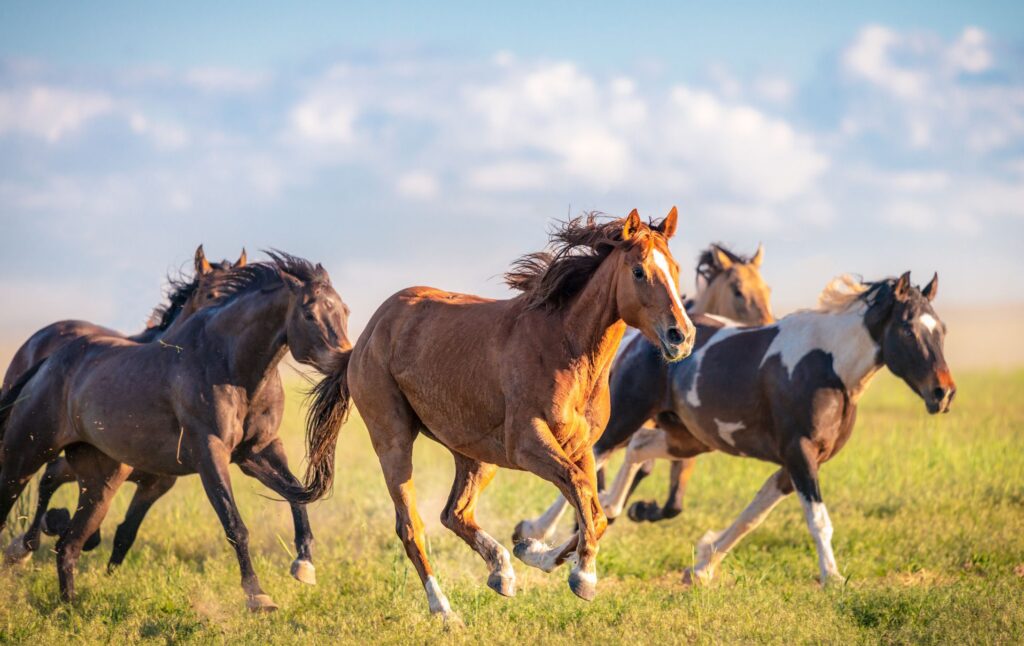
The American Mustang is one of the most iconic horse breeds in the United States, known for its ruggedness, speed, and independence. Despite their popularity in films and literature, Mustangs are still a relatively rare sight, with only about 40-100 individuals remaining in the wild. This breed has captivated the hearts of many, and its unique characteristics have made it a staple in American culture.
Origins
To truly understand the character of this magnificent animal, it’s essential to delve into its origins. The first Mustangs were introduced to North America by Spanish conquistadors in the 16th century, who brought their horses with them. Over time, some of these horses escaped or were released from captivity and began to roam freely in the western regions of the continent.
The early history of Mustangs is closely tied to the Spanish colonization of the Americas. In 1540, Francisco Vásquez de Coronado led an expedition into what is now the southwestern United States, bringing with him a group of horses that would eventually become the foundation of the American Mustang breed. These horses were known as “Spanish mustangs,” and they quickly adapted to the harsh conditions of the American West.
As Spanish missions and colonies expanded across the continent, more horses were introduced, including those from other European countries such as England, France, and Ireland. Over time, these horses interbred with native American horses, resulting in a unique breed that was well-suited to the rugged terrain and climate of the American West.
Characteristics
Mustangs are mesomorphic horses, meaning they have a robust build and can display a wide range of coat colors. They typically stand between 135-150 cm (52-59 inches) tall at the withers and weigh around 500 kg (1,100 pounds). Their features include a distinctive head shape, sharp hooves, and a muscular body.
Mustangs are known for their athletic ability and can be used for various equestrian activities such as rodeo, racing, and endurance riding. They are also highly valued for their intelligence, agility, and strong instinct to forage and roam free.
Character
Given their wild upbringing, Mustangs have developed a unique character that is both rugged and free-spirited. They are known for their independence and can be challenging to tame or train. However, with patience and understanding, it’s possible to develop a strong bond with these magnificent animals.
Mustangs are naturally curious and will often explore their surroundings, investigating new sights, sounds, and smells. They are also highly social creatures and thrive in the company of other horses, forming close bonds and hierarchies within their groups.
Allevamientos
If you’re interested in spotting Mustangs in the wild, there are several sanctuaries and reserves where they can be found. The Wild Horse Sanctuary in New Mexico is one such place, which provides a safe haven for over 1,000 Mustangs. Another notable sanctuary is the Black Hills Wild Horse Sanctuary in South Dakota, established by Dayton Hyde in 1988.
These sanctuaries offer a unique opportunity to observe and learn about Mustangs in their natural habitat. Visitors can take guided tours, watch from a distance, or participate in conservation efforts such as herd management and veterinary care.
Conservation Efforts
To protect this rare breed, conservation efforts are underway to manage their populations and prevent overgrazing. The Bureau of Land Management (BLM) has implemented programs to monitor and control Mustang numbers, ensuring that they do not outcompete other wildlife species for resources.
Additionally, various organizations such as the Mustang Heritage Foundation and the American Mustang Association work tirelessly to promote the welfare and conservation of Mustangs. These efforts include advocacy campaigns, education initiatives, and community outreach programs aimed at raising awareness about the importance of preserving this iconic breed.
Interesting Facts
- Mustangs can run at speeds of up to 40 mph (64 km/h).
- They are known for their exceptional endurance and can cover long distances without rest.
- Mustangs have a lifespan of around 25-30 years, although some individuals have been known to live into their 50s.
Conclusion
The American Mustang is an extraordinary horse breed that embodies the spirit of freedom and independence. With their unique characteristics and rugged build, they are truly a wonder to behold. By supporting conservation efforts and sanctuaries, we can help ensure the long-term survival of this remarkable animal.
As we continue to learn more about the American Mustang, it’s clear that these horses have captured the hearts of many. Their wild spirit, intelligence, and beauty make them a true marvel of nature.
Frequently Asked Questions
Q: What is the average lifespan of a Mustang?
A: 25-30 years
Q: Can Mustangs be trained or tamed?
A: Yes, with patience and understanding, it’s possible to develop a strong bond with Mustangs.
Q: Why are Mustangs protected in the United States?
A: To prevent overgrazing and ensure that they do not outcompete other wildlife species for resources.
Q: Can I adopt a Mustang?
A: Yes, some sanctuaries offer adoption programs for qualified individuals or organizations.
Q: How can I support conservation efforts for Mustangs?
A: Donate to reputable organizations, such as the Wild Horse Sanctuary or the Bureau of Land Management.


