
Music has been a part of human culture for centuries, with its ability to evoke emotions, stimulate creativity, and improve cognitive function. However, its potential therapeutic benefits extend far beyond mere entertainment or aesthetic appeal. Music therapy is a powerful tool that harnesses the transformative power of music to improve mental and physical well-being. This discipline uses music as an educational, rehabilitative, or therapeutic instrument to promote emotional, cognitive, and social growth.
What is Music Therapy?
Music therapy is a type of therapy that uses music to achieve specific therapeutic goals. It is not just about listening to music; it involves actively engaging with the music through singing, playing instruments, composing, or simply responding to the melodies and rhythms. The goal of music therapy is to help individuals overcome challenges, improve their mental health, and enhance their overall quality of life.
The History of Music Therapy
The use of music as a therapeutic agent dates back to ancient civilizations, where it was used to treat physical ailments, promote spiritual growth, and foster community bonding. In the 20th century, music therapy emerged as a distinct discipline, with the establishment of professional organizations, academic programs, and research initiatives.
Benefits of Music Therapy
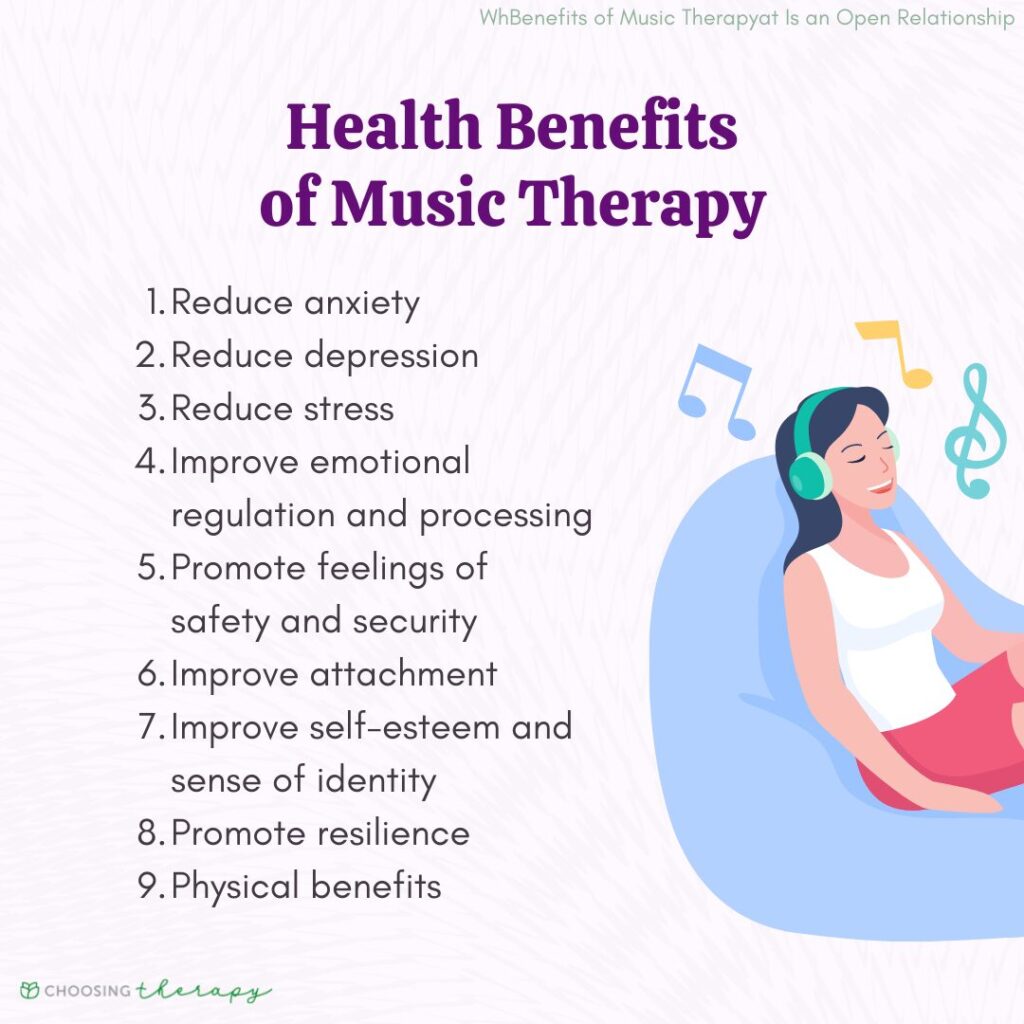
Music therapy offers numerous benefits for individuals across the lifespan. Some of these benefits include:
- Improved emotional regulation: Music therapy helps individuals manage their emotions, reducing symptoms of anxiety and depression.
- Enhanced cognitive function: Music therapy has been shown to improve memory, concentration, and problem-solving skills.
- Fostered social connections: Music therapy provides a platform for individuals to connect with others, build relationships, and develop essential life skills.
- Supports physical rehabilitation: Music therapy is often used in physical therapy settings to aid in recovery from injuries or illnesses.
- Promotes self-awareness and self-expression: Music therapy encourages individuals to explore their thoughts, feelings, and experiences through music.
Music Therapy for Specific Needs
Music therapy is particularly effective in addressing conditions like:
- Autism spectrum disorder (ASD): Music therapy helps individuals with ASD develop essential life skills, build confidence, and enhance their social and emotional well-being.
- Down syndrome: Music therapy promotes cognitive development, language skills, and social interaction among individuals with Down syndrome.
- Anxiety disorders: Music therapy reduces symptoms of anxiety by promoting relaxation, stress relief, and emotional expression.
The Role of Music in Pregnancy
Pregnant women can also benefit from music therapy, which helps alleviate anxiety, promote relaxation, and facilitate emotional bonding with their unborn child. Soothing melodies and calming rhythms create a peaceful atmosphere, allowing expectant mothers to connect with their baby on a deeper level.
Music Therapy in Schools
Incorporating music into education can have a profound impact on students’ academic performance, social skills, and overall well-being. Music therapy programs help children develop essential life skills, such as self-regulation, empathy, and communication, while fostering a sense of community and belonging.
Working with a Music Therapist
If you’re interested in exploring music therapy for yourself or a loved one, it’s essential to work with a qualified music therapist. These professionals have the training and expertise to create personalized programs that cater to your unique needs and goals.
Can Anyone Benefit from Music Therapy?
Absolutely! Music therapy is accessible to everyone, regardless of age, ability, or background. By tapping into the power of music, individuals can unlock new possibilities, overcome challenges, and thrive in all aspects of life.
Frequently Asked Questions
- What is the difference between music therapy and music education?: Music therapy focuses on the therapeutic benefits of music, while music education emphasizes musical skills development.
- Can music therapy help with anxiety and depression?: Yes, music therapy has been shown to be effective in reducing symptoms of anxiety and depression by promoting relaxation, stress relief, and emotional expression.
- Is music therapy suitable for all ages?: Music therapy is beneficial for individuals of all ages, from infants to older adults.
- How can I find a music therapist near me?: You can search online for music therapists in your area or contact local healthcare providers for recommendations.
- What are the benefits of music therapy for children with autism?: Music therapy helps children with autism develop essential life skills, build confidence, and enhance their social and emotional well-being.
By embracing the power of music, individuals can unlock new possibilities, overcome challenges, and thrive in all aspects of life. Whether you’re seeking to alleviate anxiety, promote relaxation, or simply enjoy the therapeutic benefits of music, music therapy is an accessible and effective solution for everyone.


