
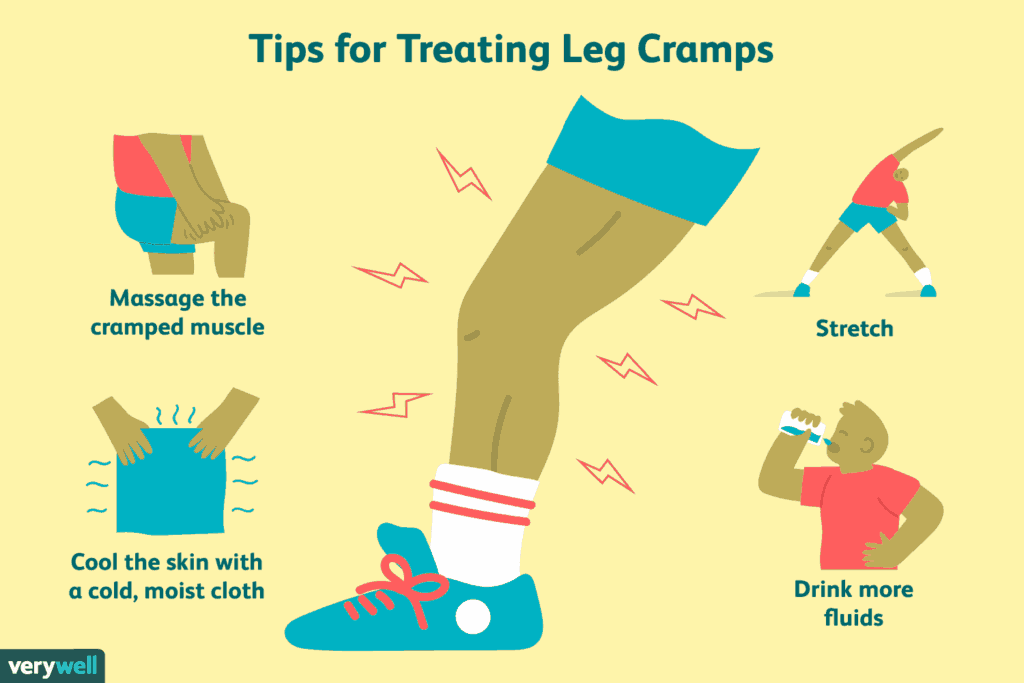
As we navigate our daily lives, it’s easy to overlook the subtle yet significant complaints of muscle pain in the legs. Whether it’s a dull ache or a sharp cramp, this common issue can be frustrating and debilitating. In this article, we’ll delve into the world of muscle pain in the legs, exploring its causes, prevention strategies, and effective treatments.
What Causes Muscle Pain in the Legs?
Muscle pain in the legs is often a result of overuse or strain on the muscles. This can occur due to excessive physical activity, poor posture, or even simply standing for long periods. The most common type of muscle pain is musculoskeletal, which affects the muscles, tendons, and ligaments.
The Impact of Muscle Pain
Muscle pain in the legs can manifest at any time, whether during intense exercise, while walking, or even just sitting still. It can be a gradual process or sudden onset, affecting a specific area of the leg or potentially crippling mobility. The severity of muscle pain can vary from mild discomfort to severe pain, impacting daily life and overall well-being.
Preventing Muscle Pain
To avoid muscle pain in the legs, it’s essential to adopt a balanced approach. First and foremost, engage in regular exercise with a gradual progression. Aim for a well-rounded workout routine that includes both cardiovascular and strength training exercises. Additionally, prioritize proper hydration by drinking at least two liters of water per day.
The Role of Nutrition
A healthy diet plays a significant role in preventing muscle pain. Focus on consuming a balanced mix of proteins, minerals, and complex carbohydrates. Include plenty of fruits and vegetables in your diet, as well as lean meats and whole grains. A well-nourished body is better equipped to handle physical demands and reduce the risk of muscle strain.
The Importance of Stretching
Stretching is another crucial aspect of preventing muscle pain. Regular stretching can help improve flexibility, reduce muscle tension, and promote relaxation. Focus on stretching your major muscle groups, including your hamstrings, quadriceps, and hip flexors.
Strengthening the Core
A strong core is essential for maintaining good posture and reducing muscle strain in the legs. Engage in exercises that target your core muscles, such as planks, crunches, and leg raises.
Natural Remedies for Muscle Pain
Several natural remedies have been shown to alleviate muscle pain in the legs. One effective option is ginger, which has anti-inflammatory properties that can help reduce muscle soreness. Take 2 grams of fresh ginger root daily or brew a tea made from dried ginger to reap its benefits. Another natural remedy is essential oil, specifically peppermint and eucalyptus. Apply these oils topically to affected areas or inhale them through steam inhalation.
Yoga for Muscle Relief
Yoga has long been recognized as a holistic practice that can benefit both body and mind. By incorporating yoga into your routine, you can improve flexibility, reduce muscle tension, and even prevent muscle pain. Practice simple poses like downward-facing dog, child’s pose, or warrior II to release tension in the legs.
Magnesium Sulfate Soak for Relaxation
Soaking in a magnesium sulfate bath is an effective way to relax muscles and alleviate pain. Add 250 grams of magnesium sulfate powder to warm water, along with 10 sprigs of fresh rosemary. Alternatively, you can use essential oils like lavender or eucalyptus to enhance the relaxing effects.
Heat and Cold Therapy
Both heat and cold therapy can be effective in relieving muscle pain. Heat therapy, such as a warm bath or shower, can help relax muscles and increase blood flow. Cold therapy, such as an ice pack or cold compress, can help reduce inflammation and numb the affected area.
Seeking Medical Attention
If muscle pain persists or worsens over time, it’s crucial to consult a medical professional for proper diagnosis and treatment. Ignoring persistent pain can lead to complications, such as nerve damage or further injury.
Understanding and Addressing Underlying Issues
Sometimes, muscle pain in the legs may be indicative of an underlying issue, like uneven foot alignment (metatarsalgia) or joint degeneration (osteoarthritis). In these cases, seeking professional advice from a healthcare expert is essential to address the root cause of the pain.
Conclusion
Muscle pain in the legs can be a significant challenge, but it’s not insurmountable. By understanding its causes and adopting prevention strategies, you can reduce the risk of muscle strain and alleviate discomfort. Natural remedies like ginger and essential oils, combined with yoga and proper hydration, offer effective alternatives to medication. Remember to prioritize your health and seek medical attention if necessary to address underlying issues.
Frequently Asked Questions (FAQs)
- What are the most common causes of muscle pain in the legs?
Muscle strain, poor posture, and overuse or underuse can lead to muscle pain in the legs.
- How can I prevent muscle pain in my legs?
Engage in regular exercise with a gradual progression, prioritize proper hydration, and maintain a balanced diet rich in nutrients.
- Are there any natural remedies that can help alleviate muscle pain in the legs?
Ginger, essential oils like peppermint and eucalyptus, and yoga are effective alternatives to medication for alleviating muscle pain.
- Can muscle pain in the legs be caused by an underlying medical condition?
Yes, muscle pain may be indicative of conditions such as uneven foot alignment or joint degeneration.
- How often should I see a doctor if experiencing persistent muscle pain in my legs?
Consult a healthcare professional for proper diagnosis and treatment if muscle pain persists or worsens over time.
- What are the benefits of practicing yoga to alleviate muscle pain?
Yoga can improve flexibility, reduce muscle tension, and even prevent muscle pain by releasing tension in the legs.
- Can magnesium sulfate baths be beneficial for muscle relaxation?
Yes, soaking in a magnesium sulfate bath with essential oils like lavender or eucalyptus can be an effective way to relax muscles and alleviate pain.
- How long should I soak in a magnesium sulfate bath for optimal benefits?
Soak in the bath for at least 30 minutes to reap the full benefits of relaxation and muscle relief.
- What are some common exercises that can help prevent muscle pain in the legs?
Exercises like squats, lunges, and leg presses can help strengthen the muscles in your legs and reduce the risk of strain.
- How can I incorporate stretching into my daily routine to alleviate muscle pain?
Start by incorporating simple stretches into your daily routine, such as hamstring and quadriceps stretches, and gradually increase your flexibility over time.


