
In this comprehensive guide, we’ll delve into the world of muscle stimulation devices, exploring what they are, how they work, their uses, benefits, and limitations. We’ll also discuss the different types of devices, contraindications, and provide tips for choosing the best device for your needs.
Table of Contents
- What is a Muscle Stimulation Device?
- How Do Muscle Stimulation Devices Work?
- Positioning Electrodes: A Crucial Step
- Intensifying the Pulse: A Key Factor in Effectiveness
- What Do People Say About Muscle Stimulation Devices?
- Contraindications for Using Muscle Stimulation Devices
- TENS and EMS: What’s the Difference?
- The Best Muscle Stimulation Device for the Price
1. What is a Muscle Stimulation Device?
A muscle stimulation device, also known as an electrostimulator or EMS device, is a medical-grade electrical device used to stimulate muscle contractions. These devices use low-voltage electricity to send impulses through electrodes placed on the skin, causing muscles to contract.
Muscle stimulation devices are designed for various purposes, including:
- Pain relief and management
- Muscle relaxation and recovery
- Improved circulation and cardiovascular health
- Enhanced athletic performance and muscle growth
- Rehabilitation and therapy
2. How Do Muscle Stimulation Devices Work?
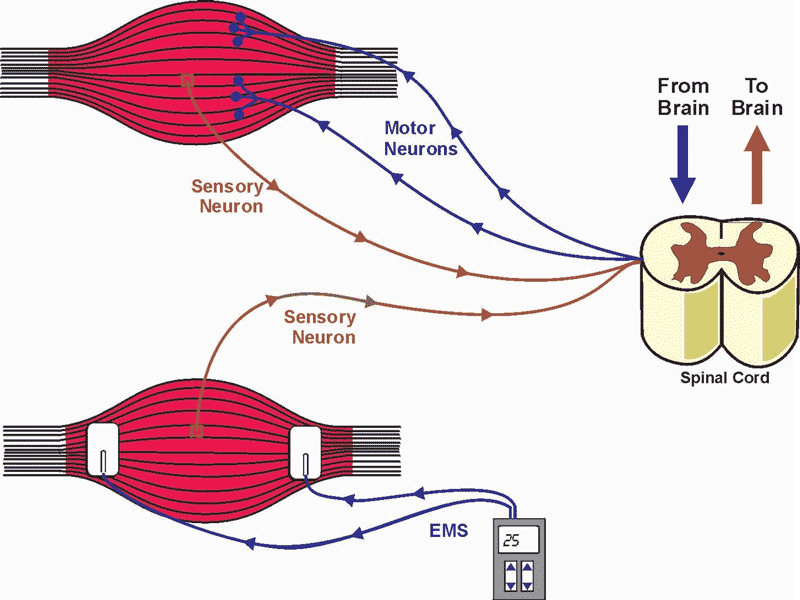
Muscle stimulation devices work by sending electrical impulses to specific areas of the body. The impulses cause a contraction in the muscle tissue, which can help with various health and fitness goals.
There are two main types of muscle stimulation devices:
- TENS (Transcutaneous Electrical Nerve Stimulator): TENS primarily targets pain relief by stimulating nerves.
- EMS (Electrical Muscle Stimulation): EMS focuses on muscle contractions for therapeutic purposes, such as improving circulation and promoting muscle growth.
3. Positioning Electrodes: A Crucial Step
Positioning electrodes correctly is essential for effective use. The electrodes should be placed on the area to be treated, following a specific pattern or technique recommended by the device’s manufacturer or a healthcare professional.
When positioning electrodes:
- Follow the manufacturer’s guidelines
- Use clean and dry electrodes
- Avoid overlapping electrodes or placing them too close together
- Keep electrodes away from sensitive areas
4. Intensifying the Pulse: A Key Factor in Effectiveness
The intensity of the pulse is crucial for optimal effectiveness. Adjusting the pulse intensity can help achieve desired results, such as muscle relaxation, pain relief, or improved circulation.
When intensifying the pulse:
- Start with a low intensity and gradually increase it
- Monitor your body’s response to the stimulation
- Avoid increasing the intensity too quickly
5. What Do People Say About Muscle Stimulation Devices?
Many people report positive experiences with muscle stimulation devices, citing benefits like reduced muscle soreness, improved recovery time, and enhanced athletic performance.
However, some individuals may experience side effects or concerns about using these devices, such as:
- Skin irritation or allergic reactions
- Nerve damage or numbness
- Interference with pacemakers or other medical devices
6. Contraindications for Using Muscle Stimulation Devices
While generally safe, there are certain contraindications to consider when using muscle stimulation devices.
Contraindications include:
- Pacemakers or implanted medical devices
- Cancer patients (consult a healthcare professional before use)
- Pregnant women (avoid using during pregnancy)
7. TENS and EMS: What’s the Difference?
TENS and EMS are two distinct types of muscle stimulation devices.
TENS primarily targets pain relief by stimulating nerves, while EMS focuses on muscle contractions for therapeutic purposes.
When choosing between TENS and EMS:
- Consider your specific needs and goals
- Consult with a healthcare professional if unsure
- Research the manufacturer’s reputation and device features
8. The Best Muscle Stimulation Device for the Price
After reviewing numerous options, we recommend considering high-quality devices from reputable manufacturers like Axion.
When choosing a muscle stimulation device:
- Look for medical-grade quality and safety certifications
- Consider the device’s features, such as adjustable intensity and multiple modes
- Read reviews and consult with healthcare professionals before making a decision
Conclusion
Muscle stimulation devices have become increasingly popular for their therapeutic benefits. By understanding how these devices work, positioning electrodes correctly, intensifying the pulse, and choosing the right device for your needs, you can unlock the full potential of muscle stimulation therapy.
FAQs
-
Are muscle stimulation devices safe?
Generally, yes. However, it’s essential to follow manufacturer guidelines and consult with a healthcare professional before use.
2. Can I use a muscle stimulation device on my pacemaker?No, due to the risk of interference or damage to your pacemaker.
3. How often can I use a muscle stimulation device?Follow the recommended usage guidelines provided by the manufacturer.
4. Will using a muscle stimulation device help me build muscle?Yes, but it’s essential to combine with proper exercise and nutrition for optimal results.
5. Can I use a muscle stimulation device during pregnancy?No, as a precautionary measure, avoid using muscle stimulation devices during pregnancy.
6. How can I find the best muscle stimulation device for my needs?Research reputable manufacturers, read reviews, and consider factors like quality, features, and price before making a decision.



