
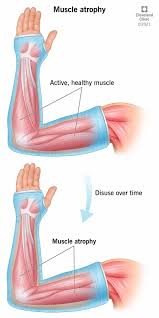
Muscle atrophy is a condition where the muscles lose mass and strength, making everyday activities challenging. It’s not just a normal part of aging; muscle wasting can be a sign of an underlying medical issue. In this article, we’ll explore what muscle atrophy is, its causes, symptoms, and treatment options.
What is Muscle Atrophy?
Muscle atrophy refers to the reduction in volume of striated muscles, leading to weakness or even complete loss of motor function. This condition can be caused by both pathological and physiological factors, ranging from mild to severe.
Imagine a muscle as a balloon – when it’s inflated with protein-rich nutrients, it expands and becomes strong. However, when this process slows down or stops, the balloon deflates, leading to muscle wasting. Muscle atrophy is like that deflated balloon; once lost, the muscle tissue can’t be restored.
Causes of Muscle Atrophy
There are various causes of muscle atrophy, including:
- Genetic disorders: Such as Duchenne muscular dystrophy and spinal muscular atrophy
- Medical conditions: Like liver or kidney failure, cancer, and inflammatory diseases
- Infections: Certain viruses, bacteria, and parasites can cause muscle wasting
- Sedentary lifestyle: Prolonged periods of inactivity can lead to muscle loss
- Malnutrition: Inadequate protein intake or certain nutritional deficiencies
Types of Muscle Atrophy
There are different types of muscle atrophy, each with its unique characteristics and causes. Some of the most common types include:
- Spinal muscular atrophy (SMA): A genetic disorder that affects the nerve cells responsible for muscle movement
- Progressive muscular atrophy (PMA): A rare condition that affects motor neurons and can be associated with other conditions like amyotrophic lateral sclerosis (ALS)
- Localised muscle atrophy: Muscle wasting caused by injury, inflammation, or infection in a specific area
Symptoms of Muscle Atrophy
The symptoms of muscle atrophy can vary depending on the type and severity of the condition. Some common symptoms include:
- Weakness and fatigue: Muscles may feel weak and tired, making everyday activities challenging
- Pain and stiffness: Affected muscles may be painful and stiff, especially after periods of inactivity
- Loss of muscle mass: Muscle wasting can lead to a loss of muscle mass and strength
Treatment Options for Muscle Atrophy
While there is no cure for muscle atrophy, various treatment options are available to manage symptoms and slow disease progression. These may include:
- Exercise programs: Regular exercise, such as physical therapy or resistance training, can help maintain muscle strength
- Medications: Certain medications can help manage pain, inflammation, and muscle wasting
- Nutritional support: Adequate protein intake and other nutritional supplements can help maintain muscle mass
Conclusion
Muscle atrophy is a complex condition with various causes and symptoms. While there is no cure, early diagnosis and treatment can help manage symptoms and slow disease progression. By understanding the different types of muscle atrophy, their causes, and available treatment options, individuals can take steps to prevent or mitigate this condition.
Frequently Asked Questions (FAQs)
- What is the difference between muscle atrophy and muscle wasting?
- Muscle atrophy refers to the loss of muscle mass and strength due to a variety of factors, while muscle wasting is a more general term that encompasses a range of conditions leading to muscle loss.
- Can muscle atrophy be treated?
- While there is no cure for muscle atrophy, various treatment options are available to manage symptoms and slow disease progression.
- What are the causes of muscle atrophy in children?
- Muscle atrophy in children can be caused by genetic disorders such as Duchenne muscular dystrophy and spinal muscular atrophy, as well as other medical conditions like liver or kidney failure.
- How can I prevent muscle atrophy?
- Regular exercise, a balanced diet, and adequate sleep can help maintain muscle mass and strength, reducing the risk of muscle atrophy.
- Can muscle atrophy be treated with medication?
- Certain medications can help manage symptoms like pain and inflammation associated with muscle atrophy, but these are typically used in conjunction with other treatment options.
Diagnosing Muscle Atrophy
Diagnosing muscle atrophy involves a combination of physical examination, medical history, and imaging tests. The following steps can help diagnose muscle atrophy:
- Medical history: Your doctor will ask you questions about your symptoms, medical history, and lifestyle.
- Physical examination: Your doctor will examine your muscles to check for weakness, wasting, or stiffness.
- Imaging tests: Imaging tests such as X-rays, ultrasound, or MRI scans can help visualize muscle damage or wasting.
Managing Muscle Atrophy
Once diagnosed, managing muscle atrophy involves a range of strategies. These may include:
- Exercise programs: Regular exercise, such as physical therapy or resistance training, can help maintain muscle strength.
- Medications: Certain medications can help manage pain, inflammation, and muscle wasting.
- Nutritional support: Adequate protein intake and other nutritional supplements can help maintain muscle mass.
Preventing Muscle Atrophy
While there is no guaranteed way to prevent muscle atrophy, maintaining a healthy lifestyle can reduce the risk. This includes:
- Regular exercise: Regular physical activity, such as walking or resistance training, can help maintain muscle strength.
- A balanced diet: Eating a balanced diet that includes adequate protein and other nutrients can help maintain muscle mass.
- Adequate sleep: Getting enough restful sleep is essential for maintaining muscle health.
Conclusion
Muscle atrophy is a complex condition with various causes and symptoms. While there is no cure, understanding the different types of muscle atrophy, their causes, and available treatment options can help individuals take steps to prevent or mitigate this condition. By maintaining a healthy lifestyle, managing symptoms, and seeking medical attention when necessary, individuals can reduce the risk of developing muscle atrophy.
Additional Resources
For more information on muscle atrophy, visit the following resources:
- National Institute of Health (NIH): The NIH provides comprehensive information on muscle atrophy, including its causes, symptoms, and treatment options.
- Muscular Dystrophy Association (MDA): The MDA is a non-profit organization that provides support and resources for individuals with muscular dystrophy and other muscle-wasting conditions.
- American Academy of Physical Medicine and Rehabilitation (AAPMR): The AAPMR is a professional organization that provides information on physical medicine and rehabilitation, including treatment options for muscle atrophy.
By seeking medical attention and exploring additional resources, individuals can gain a better understanding of muscle atrophy and take steps to prevent or mitigate this condition.


