
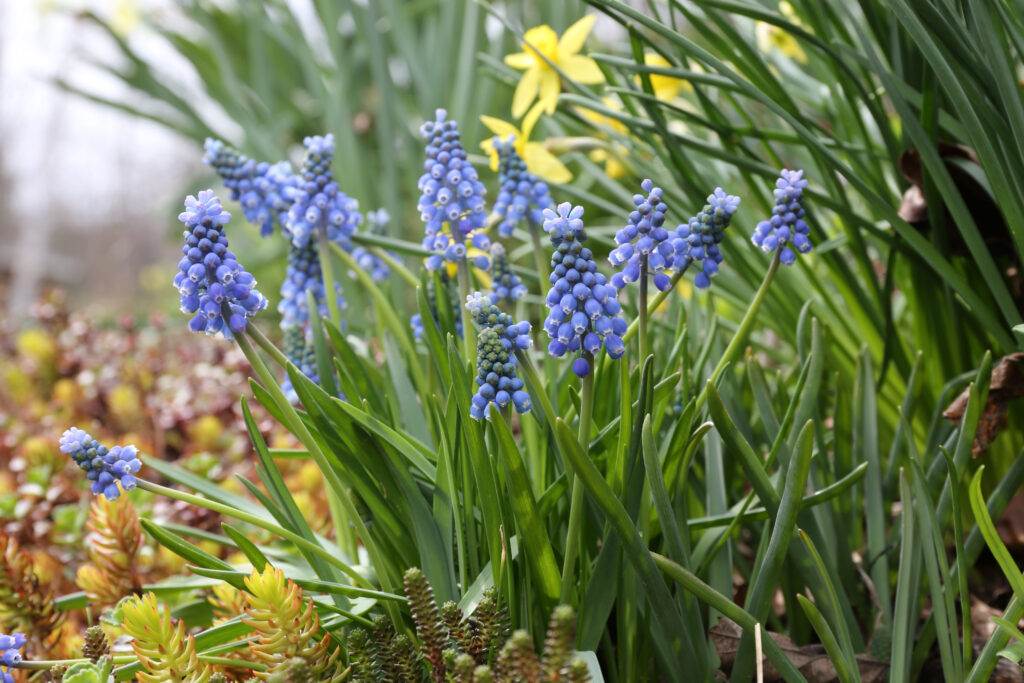
As we step into the world of gardening, there’s one plant that stands out for its simplicity, beauty, and ease of cultivation – the muscari. These small, bulbose plants have been delighting gardeners for centuries with their vibrant flowers and low-maintenance requirements. In this article, we’ll delve into the fascinating world of muscari, exploring its history, varieties, cultivation, and more.
What is Muscari?
Muscari is a genus of flowering plants that consists of several species, all of which are characterized by their bulbous shape and small, delicate flowers. These plants are found in many parts of Europe, Italy, and Asia, and have been widely cultivated for centuries. With over 60 known varieties, muscari has become a popular choice among gardeners due to its ease of growth and versatility.
Muscari: A Seasonal Blooms
One of the most striking features of muscari is its seasonal blooms, which typically occur in spring. The flowers are small, measuring around 1-2 cm in diameter, and come in a range of colors including blue, purple, white, and yellow. But what’s even more fascinating is that these plants can bloom as early as February or as late as June, depending on the specific variety.
Cultivating Muscari: A Low-Maintenance Delight
So why are muscari so easy to cultivate? It all comes down to their adaptability and hardiness. These plants thrive in a range of conditions, from full sun to partial shade, and can tolerate a wide range of temperatures. In fact, muscari bulbs can survive frost and heat without losing their vigor, making them perfect for areas with unpredictable weather.
When it comes to planting muscari, the key is to provide well-draining soil and enough sunlight. Planting in autumn allows the bulbs to go dormant over winter, and then produce flowers in spring. To ensure optimal growth, avoid overwatering, as this can lead to root rot and other problems.
Muscari Bulbs: A Resilient and Versatile Component
One of the most fascinating aspects of muscari is its bulbous structure. These bulbs are small but resilient, and produce new shoots in the spring. The leaves that grow from these buds are thin and strap-like, measuring around 10-20 cm in length. After blooming, the leaves turn yellow and eventually die back, leaving behind a beautiful seed head.
To extract muscari bulbs from the ground, use a fork to carefully loosen the soil around the plant. Gently lift the bulb out of the ground, taking care not to damage its delicate structure. Allow the bulb to dry thoroughly before storing it in a cool, dark place. This will help extend the life of your muscari bulbs and ensure they’re ready for replanting the following year.
Muscari Armeniacum: The Most Popular Variety
Among the many varieties of muscari, Armeniacum stands out as the most popular and widely cultivated. This variety is known for its vibrant blue flowers and robust growth habit, making it a favorite among gardeners. In fact, Armeniacum has been dubbed “Grape Hyacinth” due to its resemblance to small bunches of grapes.
Muscari Blu: A Common Sight in Italy
Muscari blu, or blue muscari, is another popular variety that’s widely found in Italy and other parts of Europe. These plants are characterized by their slender stems and delicate blue flowers, which bloom in the spring. To avoid confusion with other bulbs, it’s essential to note that Muscari blu bulbs are not edible and should be handled with care.
Growing Muscari in Pots: A Great Option for Small Spaces
One of the best things about muscari is its ability to thrive in containers. With proper care and attention, these plants can grow up to 25 cm tall, making them perfect for small gardens or indoor spaces. When growing muscari in pots, make sure to provide enough sunlight and water, as well as a well-draining potting mix.
To ensure optimal growth when growing muscari in containers, consider the following tips:
- Choose a container that’s at least 15 cm deep to accommodate the bulbous structure of the plant.
- Use a well-draining potting mix to prevent waterlogged soil and root rot.
- Water your muscari plants regularly, but avoid overwatering, which can lead to weak growth.
- Fertilize your muscari plants with a balanced fertilizer in the spring, following the manufacturer’s instructions.
Where to Buy Muscari Seeds and Prices
If you’re interested in growing your own muscari, it’s easy to find high-quality seeds online. A single packet of seeds can cost as little as €4, making it an affordable option for gardeners of all levels. With proper care and attention, muscari bulbs can be grown year after year, providing a continuous supply of beautiful blooms.
Some popular sources for muscari seeds include:
- Gardening stores: Visit your local gardening store to find muscari seeds in person.
- Online retailers: Websites like Amazon and eBay offer a wide range of muscari seeds at competitive prices.
- Seed catalogs: Many seed catalogs carry muscari seeds, providing you with the opportunity to browse and purchase seeds from the comfort of your own home.
Frequently Asked Questions
Q: What is the best time to plant muscari bulbs?
A: Autumn is the ideal time to plant muscari bulbs, as this allows them to go dormant over winter and produce flowers in spring.
Q: How often should I water my muscari plants?
A: Muscari plants prefer well-draining soil, but they can tolerate some watering. Avoid overwatering, as this can lead to root rot and other problems.
Q: Can I grow muscari in pots?
A: Yes, muscari can thrive in containers with proper care and attention. Make sure to provide enough sunlight and water, as well as a well-draining potting mix.
Q: Are Muscari blu bulbs edible?
A: No, Muscari blu bulbs are not edible and should be handled with care.
Q: Can I grow muscari in shade?
A: While muscari plants prefer full sun to partial shade, they can tolerate some shade. However, avoid planting them in complete darkness, as this can lead to weak growth.
Q: How long do muscari bulbs last?
A: Muscari bulbs can be grown year after year, providing a continuous supply of beautiful blooms.
Q: Can I grow muscari in cold climates?
A: Yes, muscari plants are hardy and can tolerate frost. However, they may require additional protection during extreme cold snaps.
By following these tips and guidelines, you’ll be well on your way to growing beautiful muscari bulbs that will bring joy and beauty to your garden for years to come. Whether you’re a seasoned gardener or just starting out, muscari is an excellent choice for anyone looking to add some color and interest to their outdoor space.
Additional Tips and Tricks
Here are a few additional tips and tricks to help you get the most out of your muscari:
- Plant multiple rows of muscari bulbs to create a stunning display of blue flowers.
- Consider using muscari as a ground cover, as it can spread quickly and form a beautiful mat of color.
- Mix muscari with other bulbs, such as tulips or daffodils, for a vibrant and colorful display in the spring.
By incorporating these tips and tricks into your gardening routine, you’ll be able to enjoy the beauty of muscari for years to come. Whether you’re looking to add some color to your garden or simply want to try something new, muscari is an excellent choice. With its low-maintenance requirements and stunning blooms, it’s no wonder that this bulb has become a favorite among gardeners of all levels.
Conclusion
In conclusion, muscari is a versatile and beautiful bulb that can add color and interest to any outdoor space. Its low-maintenance requirements make it an excellent choice for gardeners of all levels, from beginners to seasoned pros. With proper care and attention, muscari bulbs can be grown year after year, providing a continuous supply of stunning blooms.
Whether you’re looking to try something new or simply want to add some color to your garden, muscari is an excellent choice. So why not give it a try? Plant some muscari bulbs today and enjoy the beauty they bring to your outdoor space for years to come!


