
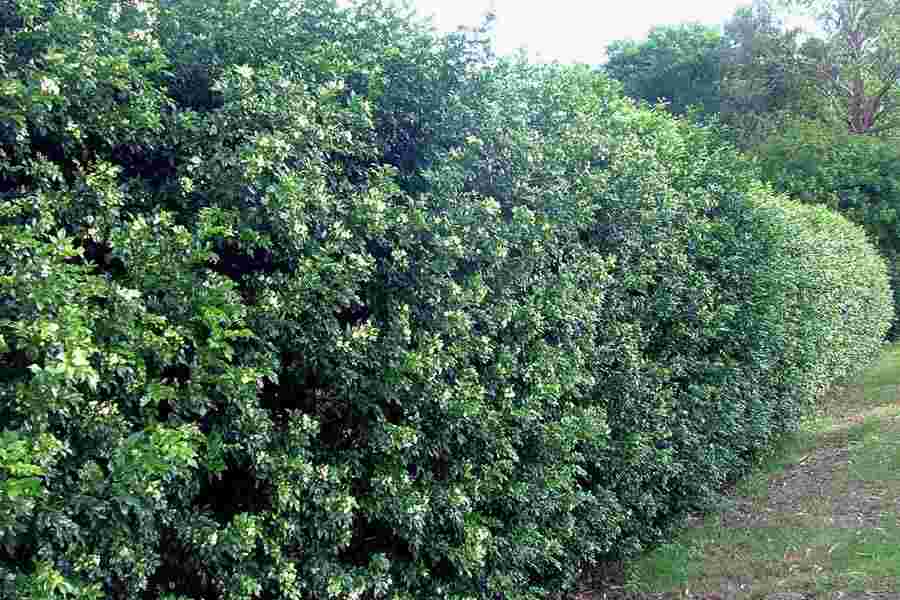
The Murraya paniculata is an evergreen shrub or small tree native to southeastern Asia and Australia, known for its smooth gray bark and harmonious appearance. It has become a popular choice for bonsai cultivation due to its compact size and versatility in various shapes.
In this article, we will delve into the characteristics of Murraya paniculata, providing an in-depth look at its growth habits, foliage, flowers, fruit, and propagation methods. We will also offer practical tips for cultivating this plant indoors, helping you to bring out its full potential.
Characteristics of Murraya Paniculata
Murraya paniculata is a compact tree that typically grows 7 meters tall in its natural habitat. However, when cultivated as a bonsai, it can be pruned and shaped into various forms, including upright, inclined, prostrate, cascading, branching, or multi-trunked specimens.
The stem of the Murraya paniculata appears erect and relatively sparsely branched, while its foliage is dense and rounded. The oval-shaped leaves are slightly leathery, waxy, and light green in color. In regions with mild winters, the plant can be cultivated outdoors year-round, provided it’s sheltered from cold winds and frost.
During summer and autumn, the Murraya paniculata develops small, bell-shaped flowers grouped together in clusters at the tips of branches. These flowers are white and have a strong, citrusy aroma. Following the flowers are small, oval fruit that can be yellow or red, similar to olives. The fruit attracts birds and bees, highlighting the plant’s role in supporting local wildlife.
To complete its flowering cycle, Murraya paniculata requires temperatures around 25°F (-4°C) in winter. In temperate climates, this plant makes an excellent choice for forming borders and flowered hedges due to its compact growth habit and attractive foliage.
Cultivating Murraya Paniculata
Here are some practical tips for growing the Murraya paniculata indoors:
Ideal Exposure
From May to September, keep the tree outside in partial shade. From October to May, move it indoors, near natural light sources, with temperatures between 15°C and 25°C.
In regions with mild winters, you can cultivate the Murraya paniculata outdoors year-round, but it’s essential to provide protection from cold winds and frost.
Suitable Soil
The Murraya paniculata thrives on well-draining, lightweight soil. Ideally, a mix of two parts peat moss, one part sand, and half peat moss can be used as the base for your bonsai tree’s potting mix.
If you’re looking for a pre-mixed compost specifically designed for citrus plants, these can also work well with this tree.
To maintain healthy root growth, repot the plant every 2 to 3 years in spring using an organic-rich potting mix combined with peat moss. In spring and summer, provide it with solid organic fertilizer.
Watering
Throughout the summer months, water the plant abundantly and regularly; especially after windy days when the soil is completely dry. During winter, nebulize frequently to keep the foliage moist and leave small rocks of expanded clay in the pot’s bottom to trap excess moisture.
From March to October, add a citrus-specific fertilizer to your watering routine every 15 days.
Propagation
The Murraya paniculata can be propagated using seeds or cuttings taken from stems during the summer. Seeds are particularly easy to propagate indoors. Before planting, keep the seeds submerged in warm water for about two hours; then distribute them evenly and thinly on top of a humus-rich soil mixture mixed with sand and peat moss (in a 1:1 ratio).
Cover the container with clear plastic wrap and place it in a well-lit area but not directly under direct sunlight. Keep the temperature around 30°C to help germination, which should occur about a week later.
Pests and Diseases
Murraya paniculata is generally resistant to diseases and pests. However, it does have some vulnerabilities; particularly to aphids and whiteflies. If you notice any unexplained leaf loss on your plant, check the environment for dryness and take corrective measures by increasing nebulization.
Varieties of Murraya Paniculata
Here are a few varieties worth noting:
- Min-a-min: This compact variety is similar to Smart Choice outdoor type. It has rapid growth and can thrive in warm climates as an ornamental hedge.
- Minima: A slow-growing variety that blooms within the first year of life, making it ideal for indoor cultivation only.
- Nano Compatto: A dwarf variety with an altitude not exceeding 10-15 cm. It requires more care and has stricter growing conditions.
Conclusion
The Murraya paniculata is a beautiful, easy-to-grow plant that can thrive indoors when provided with the right care. By following these tips and choosing the right variety for your climate, you can enjoy its beauty for years to come.
Murraya paniculata is an ideal choice for indoor cultivation due to its compact size, attractive foliage, and versatility in various shapes. Its smooth gray bark and harmonious appearance make it a popular choice for bonsai cultivation.
With proper care, this plant can bring joy and beauty to your home for years to come.
Frequently Asked Questions:
- How tall does the Murraya paniculata tree grow?
- It grows about 7 meters in its natural habitat.
- Can the Murraya paniculata be grown indoors year-round?
- Yes, but it requires protection from cold winds and frost.
- What type of soil is best for the Murraya paniculata?
- Lightweight, well-draining soil like a mix of two parts peat moss, one part sand, and half peat moss.
- How often should I water my Murraya paniculata?
- Throughout summer months, water abundantly and regularly; especially after windy days when the soil is completely dry.
- Can I propagate Murraya paniculata using cuttings?
- Yes, you can use stem cuttings taken during the summer for propagation.
- What are some common pests or diseases that affect the Murraya paniculata?
- Aphids and whiteflies are two of its main vulnerabilities; however, the plant is generally resistant to most other pests and diseases.
- How often should I fertilize my Murraya paniculata?
- You can add a citrus-specific fertilizer every 15 days during spring and summer months.
- Can the Murraya paniculata be grown in low-light conditions?
- No, it requires bright light for optimal growth.


