
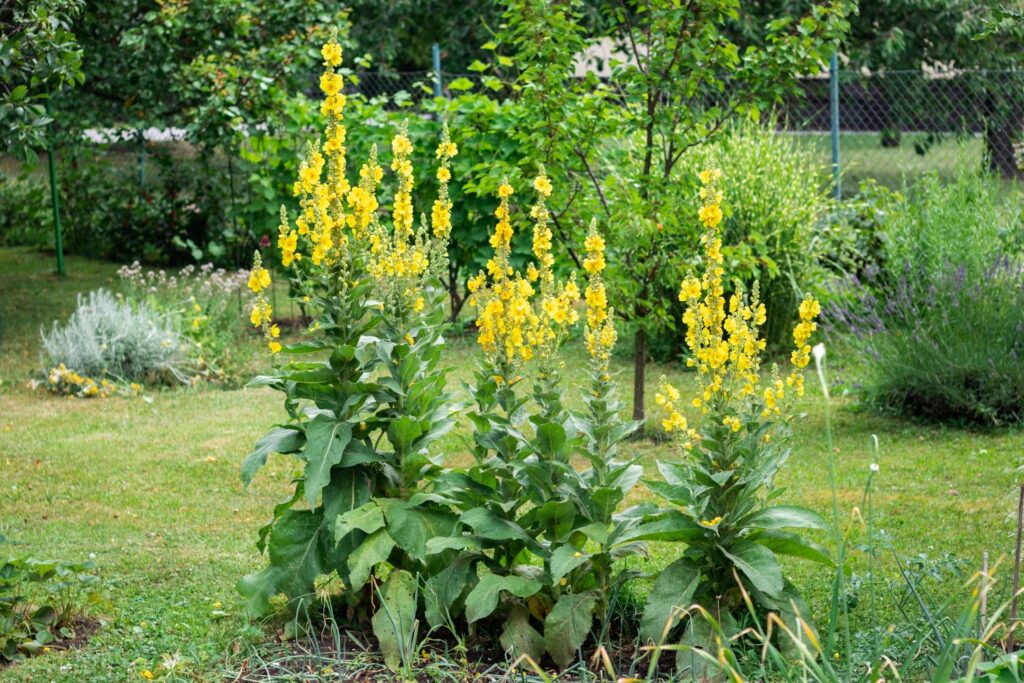
As we delve into the world of herbalism, it’s essential to explore the characteristics, properties, and cultivation methods of various plants. One such plant is the Verbasco (Verbascum), a perennial herb belonging to the Scrophulariaceae family. In this article, we’ll uncover the secrets of the Verbasco, including its appearance, medicinal properties, cultivation requirements, and more.
Characteristics of the Verbasco
The Verbasco can grow up to 1-2 meters in height, with some varieties reaching even greater heights. Its leaves are large, long, and wide, with an oval or lance-shaped form. They have a greenish-gray color and are covered in soft hairs, giving them a velvety texture.
The flowers of the Verbasco are showy and numerous, forming a long, dense spike. They typically come in shades of yellow, but some varieties display white, pink, or purple hues.
The plant’s stems are robust and upright, with occasional branching above. They have a green color and can tolerate a range of temperatures.
Native Habitat and Adaptability
The Verbasco is native to Europe and can be found growing wild in various habitats, including grasslands, uncultivated fields, road margins, and rocky soils. It’s highly adaptable and can thrive in both full sun and partial shade.
This adaptability makes the Verbasco a versatile plant that can be used in different cultivation methods, from traditional gardening to herbal medicine.
Medicinal Properties of the Verbasco
The Verbasco has been used for its medicinal properties, particularly for relieving respiratory symptoms such as coughs, sore throats, and inflammation. The leaves and flowers can be used to make infusions or tisanes, which have shown promise in reducing irritation and spasms in the digestive tract.
Some preliminary studies suggest that the Verbasco may possess calming and antispasmodic properties, making it a potential natural remedy for reducing gastrointestinal discomfort.
Cultivation Requirements of the Verbasco
The Verbasco is relatively easy to cultivate, thriving in temperate climates with warm temperatures. It prefers direct sunlight and can tolerate a wide range of temperatures but performs best in areas with hot summers and mild winters.
The plant adapts well to various soil types but prefers well-drained and fertile soils. Regular irrigation is necessary during its growth phase, but excessive watering should be avoided, as it can cause root problems.
During the flowering season, support may be necessary for taller plants to prevent them from toppling over.
Propagation Methods
There are three primary methods of propagating the Verbasco: seeding, division, and cutting. Seeds can be collected directly from mature plants or purchased from a nursery. Planting typically occurs in spring or fall.
Another method is dividing established clumps, which can be done in spring or autumn. The resulting sections can be transplanted into soil or containers.
Cutting also works well, where healthy stems are harvested and rooted in moist soil or water.
Fruiting and Blooming
The Verbasco’s flowering period can vary depending on the species and local climate conditions. Some varieties produce flowers for extended periods, sometimes lasting several months.
As new buds open, older flowers begin to fade, creating a beautiful succession of colors and fragrances. During this time, pollinators like bees and butterflies are attracted to the plant, contributing to its ecological value.
Use in Herbalism
In herbalism, the Verbasco is commonly known by its Latin name, “Verbascum”. This term encompasses not only the specific plant but also its flowers.
The infusions or tisanes made from the leaves and flowers can be used in various applications, such as relieving respiratory issues, soothing digestive problems, or promoting relaxation.
Potential Risks and Precautions
While the Verbasco has potential medicinal benefits, it can cause allergic reactions in some individuals. If you experience symptoms like skin rash, itching, or swelling after using the plant, discontinue use and consult a medical professional.
The Verbasco may interact with certain medications, so it’s recommended to consult with your doctor or pharmacist before using it for therapeutic purposes.
Pregnant or breastfeeding women should avoid using the Verbasco due to the lack of evidence on its safety.
Conclusion
In conclusion, the Verbasco is a versatile and valuable plant that offers numerous benefits. By understanding its characteristics, medicinal properties, cultivation requirements, and propagation methods, you can harness its potential in your own garden or herbal practice.
Whether you’re an experienced gardener or simply interested in exploring the world of herbalism, the Verbasco is certainly worth considering.
Frequently Asked Questions
-
What are the benefits of using the Verbasco for medicinal purposes?
The Verbasco has been traditionally used to relieve respiratory symptoms like coughs and sore throats, as well as inflammation in the digestive tract. It may also possess calming and antispasmodic properties. -
How do I propagate the Verbasco from seed?
To propagate the Verbasco from seed, collect seeds directly from mature plants or purchase them from a nursery. Plant the seeds in spring or fall, ensuring they receive adequate moisture until new growth appears. -
What are some potential risks associated with using the Verbasco?
The Verbasco can cause allergic reactions in some individuals and may interact with certain medications. Pregnant or breastfeeding women should avoid using it due to the lack of evidence on its safety. -
Can I grow the Verbasco indoors?
Yes, the Verbasco can be grown indoors, but it requires a lot of light, ideally direct sunlight or high-intensity artificial lighting. -
How do I care for the Verbasco during its growth phase?
Regular irrigation is necessary during the plant’s growth phase, but excessive watering should be avoided. Ensure well-drained and fertile soils to promote healthy growth. -
What are some alternative uses for the Verbasco besides medicinal purposes?
The Verbasco can be used as a natural insecticide or pest repellent due to its fragrant flowers that attract pollinators like bees and butterflies. -
Can I use the Verbasco in cooking?
While the Verbasco is edible, it’s not commonly consumed in traditional cuisine due to its bitter taste and potential gastrointestinal side effects. -
How can I protect my Verbasco plants from pests?
Apply natural insecticides or pest repellents like neem oil or garlic-based sprays around your plants to deter unwanted pests.
Traditional Uses of the Verbasco
The Verbasco has been used in traditional medicine for centuries, particularly in Europe and Asia. In ancient Greek and Roman herbalism, it was known as “Verbascum”. The plant was valued for its medicinal properties, which were believed to promote health and well-being.
In European folklore, the Verbasco is associated with protective qualities, warding off evil spirits and bad luck. The flowers are often used in rituals and ceremonies to ensure good fortune and prosperity.
Modern Research on the Verbasco
Recent studies have shed new light on the potential medicinal properties of the Verbasco. Researchers have explored its antimicrobial, anti-inflammatory, and antioxidant effects, which may contribute to its therapeutic benefits.
While more research is needed to fully understand the Verbasco’s properties, these findings suggest that it could be a valuable addition to natural remedies and herbal treatments.
Cultivation Tips for Growing Verbasco
Growing Verbasco requires attention to detail and proper care. Here are some tips to help you cultivate this beautiful plant:
-
Provide adequate sunlight: The Verbasco needs direct sunlight to thrive, so ensure it receives at least 6 hours of direct sunlight per day.
-
Maintain well-drained soils: Avoid overwatering the plant, as it can cause root problems. Instead, use well-draining soil that retains moisture but doesn’t become waterlogged.
-
Water regularly: Regular irrigation is necessary during the growth phase, but be cautious not to overwater. Aim for about 1-2 inches of rainfall or irrigation per week.
-
Fertilize sparingly: Feed your Verbasco plant with a balanced fertilizer once a month during the growing season.
-
Prune regularly: Pruning helps maintain the plant’s shape and promotes healthy growth. Remove any dead or damaged stems, and trim back overgrown branches.
Growing Verbasco as an Ornamental
While Verbasco is primarily grown for its medicinal properties, it can also be used as a beautiful ornamental plant. Here are some tips to help you grow Verbasco as a stunning addition to your garden:
-
Choose the right variety: Select a variety that suits your climate and desired bloom time.
-
Plant in well-draining soil: Use a mix of peat moss, perlite, or vermiculite to create well-draining soil that retains moisture but doesn’t become waterlogged.
-
Provide adequate sunlight: As mentioned earlier, direct sunlight is essential for the Verbasco’s growth and blooming.
-
Water regularly: Keep the soil consistently moist during the growing season, but avoid overwatering.
-
Fertilize sparingly: Feed your Verbasco plant with a balanced fertilizer once a month during the growing season to promote healthy growth.
Common Problems When Growing Verbasco
Growing Verbasco can be challenging due to various factors. Here are some common problems you may encounter and how to address them:
-
Overwatering: If the soil becomes waterlogged, it can lead to root rot. Reduce watering or improve drainage by adding organic matter.
-
Underwatering: If the plant is too dry for an extended period, it can cause stress and reduce blooming. Increase watering or provide more frequent irrigation.
-
Pests: Watch out for pests like aphids, whiteflies, and spider mites. Use natural pest control methods or integrated pest management (IPM) strategies to address the issue.
-
Diseases: Regularly inspect your plants for signs of disease, such as fungal infections or bacterial spotting. Treat promptly with fungicides or bactericides if necessary.
-
Nutrient deficiencies: If the plant shows signs of nutrient deficiency, adjust your fertilization schedule accordingly.
Conclusion
In conclusion, growing Verbasco requires attention to detail and proper care. By understanding its characteristics, medicinal properties, cultivation requirements, and propagation methods, you can harness its potential in your own garden or herbal practice.
Whether you’re an experienced gardener or simply interested in exploring the world of herbalism, the Verbasco is certainly worth considering.
Additional Resources
For more information on growing Verbasco, consult the following resources:
-
National Gardening Association: This website provides comprehensive information on gardening, including tips and advice for growing Verbasco.
-
Herbal Medicine International: This organization offers in-depth articles and research papers on herbal medicine, including its uses and benefits.
-
Local nurseries and gardening clubs: Reach out to local nurseries or join a gardening club to connect with experienced gardeners who can share their knowledge and expertise.
-
Online forums and communities: Participate in online forums or communities dedicated to herbalism or gardening to ask questions, share experiences, and learn from others.
References
For more information on the Verbasco plant, consult the following references:
-
National Institute of Health (NIH): This government agency provides scientific research and data on various plants, including the Verbasco.
-
Journal of Ethnopharmacology: This peer-reviewed journal publishes studies and articles on traditional medicine, herbalism, and ethnobotany.
-
Plants for Life: This non-profit organization promotes sustainable gardening practices and offers resources on growing medicinal herbs like Verbasco.
-
Herbal Medicine Handbook: This comprehensive guide covers various topics related to herbalism, including plant identification, preparation methods, and dosing guidelines.
Disclaimer
The information provided in this article is for educational purposes only and should not be considered as professional advice. Always consult with a medical professional or licensed therapist before using any herbal remedies or treatments.
By understanding the characteristics, medicinal properties, cultivation requirements, and propagation methods of the Verbasco plant, you can harness its potential to improve your health and well-being.


