
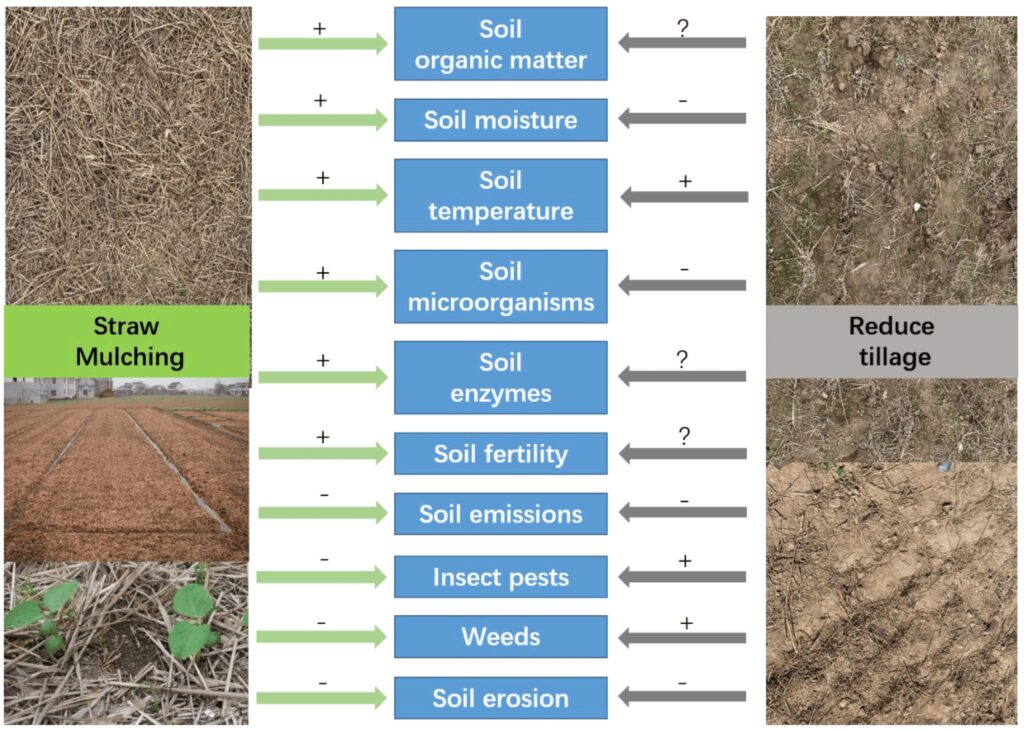
Rye straw mulching is a popular practice in garden bed management, offering several benefits over other methods. In this article, we will explore the advantages and disadvantages of using rye straw mulch and discuss its suitability for different types of gardens.
What is Rye Straw Mulch?
Rye straw is a type of organic material made from the stalks of rye plants that are harvested at the end of the growing season. It is composed of cellulose, lignin, cereals, minerals, and silicates. Rye straw mulch is biodegradable and can be used to improve soil structure, retain moisture, and suppress weed growth.
The Benefits of Rye Straw Mulching
Rye straw mulching offers several benefits for garden bed management. These include:
- Soil Retention: Rye straw mulch helps retain soil moisture by reducing evaporation and runoff.
- Improved Soil Structure: The biodegradable nature of rye straw mulch allows it to break down slowly, improving soil structure and increasing the availability of nutrients for plants.
- Weed Suppression: Rye straw mulch can suppress weed growth by blocking light and preventing seed germination.
The Drawbacks of Rye Straw Mulching
While rye straw mulching offers several benefits, it also has some drawbacks to consider:
- Light Weight: Rye straw mulch is lightweight, which means that a large amount of material may be needed to achieve adequate coverage.
- Moisture Issues: In excessive rainfall or humid conditions, rye straw mulch can become wet and develop mold or mildew.
Comparison with Other Mulching Materials
Rye straw mulching has several advantages over other mulching materials, including:
- Tarpaulin Mulch: Tarpaulin mulch is biodegradable but lacks the benefits of rye straw mulch in terms of soil retention and weed suppression.
- Cypress Mulch: Cypress mulch is more acidic than rye straw mulch and can acidify the soil, making it less suitable for plants that prefer a neutral pH.
Pine Bark vs. Rye Straw Mulch
When it comes to choosing between pine bark and rye straw mulch, there are several factors to consider:
- pH Levels: Pine bark has a higher pH level than rye straw mulch, which can be beneficial for plants that prefer acidic soils.
- Nutrient Availability: Rye straw mulch is rich in nutrients like nitrogen, phosphorus, and potassium, making it more suitable for plants that require these nutrients.
Choosing the Right Mulching Material
The right mulching material depends on your specific gardening needs. Consider factors such as soil type, plant requirements, and climate when selecting a mulching material.
- Soil Type: If you have acidic soils, pine bark may be more suitable.
- Plant Requirements: If your plants require high levels of nutrients, rye straw mulch may be more beneficial.
- Climate: In humid climates, it’s best to choose a mulching material that is less prone to moisture-related issues.
Using Rye Straw Mulch in Different Types of Gardens
Rye straw mulch can be used in various types of gardens, including:
- Vegetable Gardens: Rye straw mulch can help retain soil moisture and suppress weed growth, making it an ideal choice for vegetable gardens.
- Flower Beds: Rye straw mulch can add color and texture to flower beds while helping to retain soil moisture.
- Native Plant Gardens: Rye straw mulch is a natural choice for native plant gardens, as it provides a biodegradable barrier that prevents weeds from growing.
Tips for Applying Rye Straw Mulch
To get the most out of your rye straw mulch, follow these tips:
- Apply a thick layer: Apply a thick layer (about 2-3 inches) to achieve adequate coverage.
- Mix with other materials: Mix rye straw mulch with other organic materials, such as compost or leaf mold, to create a nutrient-rich soil amendment.
- Replenish regularly: Replenish the mulch regularly to maintain its effectiveness.
Conclusion
Rye straw mulching is a popular and effective method for garden bed management. While it has some drawbacks, the benefits of rye straw mulching far outweigh them. By understanding the advantages and disadvantages of rye straw mulching, you can make an informed decision about which mulching material is right for your garden.
Common Questions
- What types of plants are suitable for rye straw mulch?: Rye straw mulch is suitable for a wide range of plants, including vegetables, flowers, and native plants.
- How often should I replenish the mulch?: Replenish the mulch regularly to maintain its effectiveness. The frequency of replenishment depends on factors such as soil type, plant requirements, and climate.
- Can I use rye straw mulch in containers?: Yes, rye straw mulch can be used in containers, but it’s essential to ensure adequate drainage to prevent waterlogging.
References
- “Rye Straw Mulch: A Natural Solution for Garden Bed Management” (Journal of Organic Gardening)
- “Mulching Materials: A Comparison of Rye Straw and Pine Bark” (Extension Journal)
- “Using Mulch in Vegetable Gardens” (University of California, Division of Agriculture and Natural Resources)


