
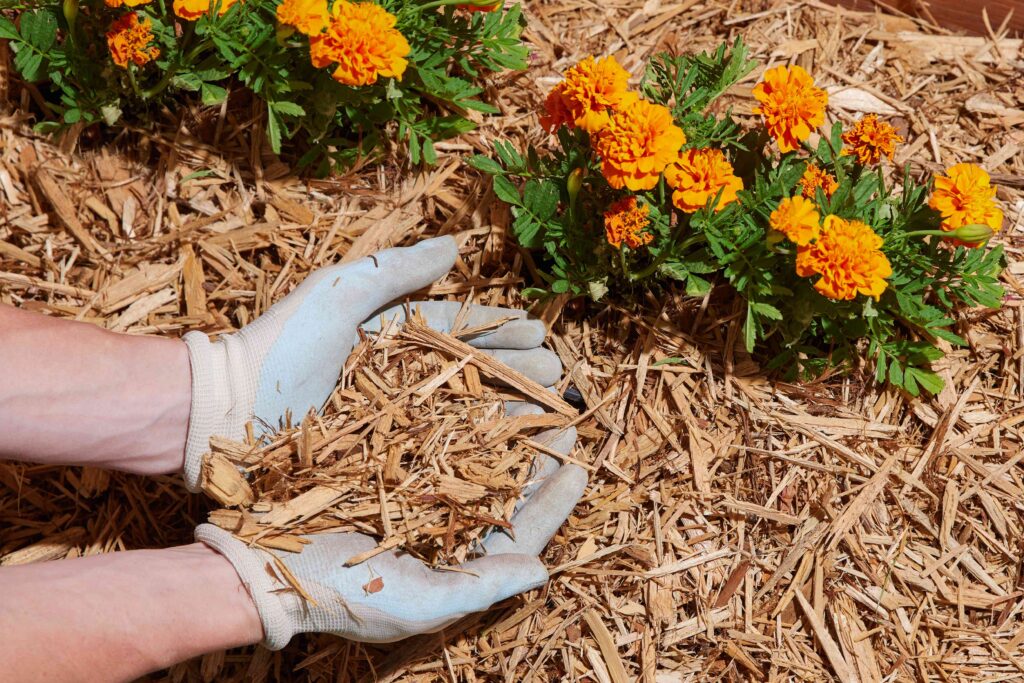
Mulching is a simple yet effective technique that has been used for centuries to conserve moisture, suppress weeds, and regulate soil temperature. As an agricultural practice, mulching involves covering the ground with a layer of material to achieve these goals. But what exactly is mulch, and how do we choose the right material for our needs?
The Definition and Purpose of Mulch
Mulch refers to any natural or artificial substance used to cover the soil in the technique of mulching. Its primary purpose is to provide a protective layer that helps retain moisture, suppress weeds, and regulate soil temperature.
Common Materials Used for Mulching
Artificial Non-Biodegradable Mulches
These materials are made from synthetic plastics and do not break down naturally. They can be used in conjunction with drip irrigation systems to improve their effectiveness.
- Polypropylene: This type of mulch has a lifespan of 5-8 years, is not biodegradable, easy to find, and warms the soil. However, it can also prevent optimal infiltration of rainwater or irrigation water, making drip irrigation a necessary companion.
- Polyethylene: The lifespan of polyethylene depends on its thickness and shape, with a 0.05 cm thick material lasting only about a year. Like polypropylene, it is not biodegradable and warms the soil. Its use is limited to conjunction with drip irrigation.
Artificial Biodegradable Mulches
These materials are made from natural or synthetic polymers that can break down over time, reducing their environmental impact.
- Cornstarch Tape: Cornstarch tape has a short lifespan of 3-4 months before it starts to tear. It is biodegradable and can be composted at the end of cultivation. However, it does not retain moisture well and requires drip irrigation.
- Newspaper Leaves: Using newspaper leaves as mulch brings several benefits. They can be recycled for seasonal or annual crops, have a maximum lifespan of one year, and can be mixed with other biodegradable materials like straw, bark, dry grass, or dry leaves.
Other Organic Mulches
These materials are made from natural sources like plants, wood, or other organic compounds.
- Straw: Straw is a popular mulch choice for seasonal or annual crops that are irrigated by rain or drip. It does not heat up the soil due to its high cellulose content, making it suitable for spring and summer cultivation.
- Dry Leaves and Bark: Like straw, dry leaves and bark do not heat up the soil, allowing irrigation both by rain and drip. They are also appreciated by earth-dwelling fauna like worms and millipedes, which can bring structural improvements and fertilizer to the soil.
The Importance of Mulching
Mulching is a simple yet effective technique that can have a significant impact on soil health, plant growth, and water conservation. By choosing the right material for our needs, we can create a balanced ecosystem that supports both plants and the environment.
Water Conservation
Mulching helps retain moisture in the soil, reducing evaporation and runoff. This is particularly beneficial during times of drought or water scarcity, as it allows plants to access water more efficiently.
Soil Health
Mulch acts as a barrier between the soil and sunlight, preventing weed growth and reducing soil temperature fluctuations. This creates an ideal environment for plant roots to grow, leading to improved soil health and structure.
Weed Suppression
Mulch prevents weeds from germinating by blocking light and suppressing seedling growth. This reduces competition for water and nutrients, allowing plants to thrive without the need for herbicides or other chemicals.
Conclusion
Choosing the right material for mulching is crucial to achieving optimal results in agricultural practices. Whether it’s artificial non-biodegradable materials like polypropylene or biodegradable options like cornstarch tape or newspaper leaves, or organic alternatives like straw and dry leaves, there are numerous choices available. By selecting the most suitable option for our specific needs, we can create a healthy soil environment that supports plant growth and minimizes environmental impact.
FAQs
Q: What is the best type of mulch for my garden?
A: The best type of mulch depends on your specific needs, climate, and soil conditions. Consider factors like moisture retention, weed suppression, and nutrient cycling when selecting a mulch material.
Q: Can I use synthetic mulches in conjunction with organic materials?
A: Yes, it’s common to combine synthetic mulches like polypropylene or polyethylene with organic alternatives like straw or dry leaves. This approach can provide the benefits of both worlds while minimizing environmental impact.
Q: How often should I replenish my mulch layer?
A: The frequency of replenishing your mulch layer depends on factors like climate, soil type, and plant growth rate. As a general rule, aim to replenish your mulch layer every 1-3 months during the growing season.
Q: Can I use mulch in containers or raised beds?
A: Yes, mulch can be used in containers or raised beds to improve soil health, retain moisture, and suppress weeds. However, consider using a thinner layer of mulch and reapplying it more frequently due to the limited space.
Q: Are there any potential drawbacks to using synthetic mulches?
A: Yes, synthetic mulches like polypropylene or polyethylene can have disadvantages such as preventing optimal infiltration of rainwater or irrigation water. This is why drip irrigation is often recommended in conjunction with these materials.
Q: Can I compost synthetic mulches?
A: No, synthetic mulches like polypropylene or polyethylene are not biodegradable and cannot be composted. However, some synthetic bioplastics can be composted, so it’s essential to check the specific product label before attempting to compost it.
Q: How does mulching impact soil temperature?
A: Mulching can help regulate soil temperature by reducing heat loss in winter and retaining heat in summer. This is particularly beneficial for plants that are sensitive to extreme temperatures.
Q: Can I use newspaper leaves as a sole source of mulch?
A: While newspaper leaves can be an effective mulch, they may not provide enough moisture retention or weed suppression on their own. Consider combining them with other organic materials like straw or dry leaves for better results.


