
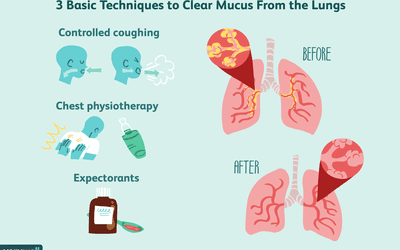
As we enter the season that’s perfect for understanding those mucolitics that might be prescribed for common winter ailments, it’s essential to delve into the world of these medications and explore their mechanisms, benefits, and potential side effects. In this article, we’ll define what mucolitics are, how they work, and what effects they have on our bodies.
What are Mucolitics?
Mucolitics is a category of natural or synthetic drugs that serve to make the mucous secretions in the respiratory tract more fluid by directly intervening on their composition. These mixtures of substances reduce the viscosity of mucus and thus make it easier to expel when we cough, for example.
Mucus is not an enemy in advance but must be present in a certain amount. It’s filamentous and very viscous, adheres to what it touches, and protects the mucosal lining of the respiratory system by enveloping it in a gel-like viscoelastic veil. Mucus protects us from the arrival of microbial insults and irritants inhaled, as well as dehydration.
When we’re caught by common winter maladies, such as infections or inflammatory ones, we produce much more mucus than normal from cell caliciforms and submucosal glands. Not only is the mucus present in greater quantity but its nature also changes, with variations in composition. It’s not fluid like before but becomes more viscous and elastic, perfect for capturing microorganisms and products of local inflammation.
This can lead to the classic thick cough accompanied by phlegm, which is just an attempt to expel the secretions that form at a level of the lungs and the extraneous substances they contain. When mucus is yellowish, it’s a sign of bacterial presence; when it’s much more viscous, we struggle to expel it as we’re used to, and the mechanism gets blocked.
How Do Mucolitics Work?
Mucolitics work by breaking down the disulfide bridges between mucoproteins, making it easier to expel mucus from the body. One of the most noted mucoproteins is mucin. The best-known mucolytic is Acetilcisteina, present in several medications we’re used to taking, breaks the disulfide bridges and thus makes mucus less viscous.
It has also antioxidant properties that can help alleviate local inflammation and protect the respiratory tissue from degenerative phenomena. Among other drugs with mucolytic activity are Ambroxolo, which normalizes the viscosity of mucus and has important antiossidant and anti-inflammatory effects, and Sobrerolo, which breaks the bonds that hold together mucoglycoproteins and attracts water to the mucosa of airways, increasing the fluidity of mucus.
The Bromexina not only increases the secretion of mucus from the respiratory tract but also stimulates ciliary activity, helping to eliminate mucus. The Telmesteina is a mucolytic and fluidifying agent recommended for acute and chronic inflammation of the respiratory system. The Carbocisteine acts on muciparous glands and reduces mucus secretion while the Erdosteina has both mucolytic and antiradical effects.
We haven’t mentioned some of the most well-known yet, such as Neltenexina, a mucolytic agent that also serves as an expectorant and stimulates clearance mucociliary activity, which promotes surfactant production, and Tiopronina, a fluidifying and anti-spastic bronchial agent that also stimulates ciliary activity.
Mucolitics: Medications
Before analyzing some of the most common mucolitics, let’s see how they act specifically. Mucus has a certain viscosity depending on the concentration of mucoproteins (fucomucine) it contains but also the presence of disulfide bridges between them. One of the most noted mucoproteins is mucin.
The best-known mucolytic is Acetilcisteina, present in several medications we’re used to taking, breaks the disulfide bridges and thus makes mucus less viscous. It has also antioxidant properties that can help alleviate local inflammation and protect the respiratory tissue from degenerative phenomena.
Among other drugs with mucolytic activity are Ambroxolo, which normalizes the viscosity of mucus and has important antiossidant and anti-inflammatory effects, and Sobrerolo, which breaks the bonds that hold together mucoglycoproteins and attracts water to the mucosa of airways, increasing the fluidity of mucus.
The Bromexina not only increases the secretion of mucus from the respiratory tract but also stimulates ciliary activity, helping to eliminate mucus. The Telmesteina is a mucolytic and fluidifying agent recommended for acute and chronic inflammation of the respiratory system. The Carbocisteine acts on muciparous glands and reduces mucus secretion while the Erdosteina has both mucolytic and antiradical effects.
We haven’t mentioned some of the most well-known yet, such as Neltenexina, a mucolytic agent that also serves as an expectorant and stimulates clearance mucociliary activity, which promotes surfactant production, and Tiopronina, a fluidifying and anti-spastic bronchial agent that also stimulates ciliary activity.
Mucolitics: Contraindications and Side Effects
In general, it’s necessary to be cautious when administering these medications to children under two years old because they can increase the risk of having an airway obstruction. These drugs have contraindications and side effects listed in the leaflet.
If we don’t want to use medications at the first sign of coldness, we can run to other natural remedies that can help prevent or alleviate symptoms of classic winter illnesses. Honey is very beneficial and citrus fruits should be consumed in abundance since they’re in season and particularly tasty. There’s also kiwi which can help us out and don’t forget a good dose of green vegetables, especially broccoli, cauliflower, and pumpkin when it’s available.
Carne red and milk can also assist and olive oil must never be missing from the table, regardless of the season. In addition to these natural remedies, there are some additional tips that can help reduce mucus production and alleviate symptoms:
- Stay hydrated by drinking plenty of water.
- Avoid smoking and secondhand smoke.
- Use a humidifier to add moisture to the air.
- Exercise regularly to keep your respiratory system healthy.
By understanding how mucolitics work, knowing the benefits and potential side effects, and incorporating natural remedies into our daily lives, we can take control of our health and alleviate symptoms of common winter ailments.


