
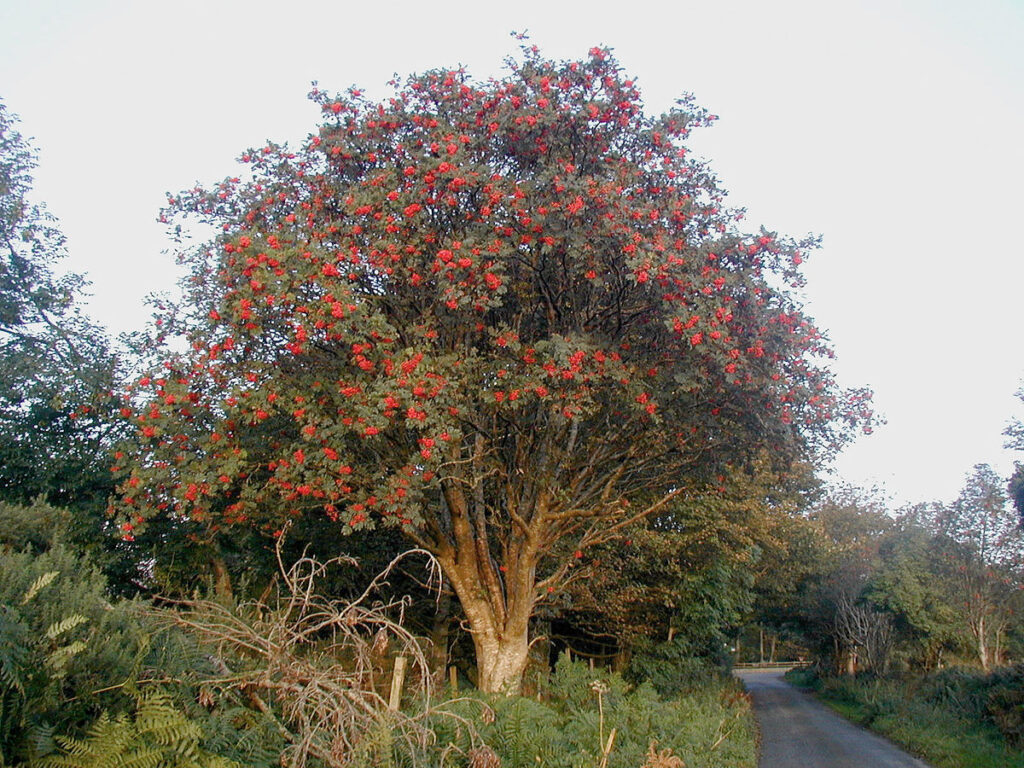
The bird-footer tree, scientifically known as Sorbus aucuparia, is a deciduous shrub or small tree belonging to the Rosaceae family. Native to central and northern Europe, from Iceland to Russia, it gets its name from being a favorite food source for migratory birds that feed on its berries.
In this article, we will explore the main characteristics of the bird-footer tree and how to cultivate it in our region.
Contents
- Main Characteristics of the Bird-Footer Tree
- Cultivation of the Bird-Footer Tree
- Ideal Exposure for the Plant
- Most Suitable Soil for the Plant
- How to Water the Bird-Footer Tree
- Pruning of the Bird-Footer Tree
- How the Plant Multiplies
- Pests and Diseases of the Bird-footer Tree
- Using the Berries of the Tree
- Characteristics of the Main Varieties
- Growing Conditions for Optimal Growth
- Tips for Creating a Sustainable Ecosystem
Main Characteristics of the Bird-Footer Tree
The bird-footer tree is known for its unique characteristics, including:
- An extremely thin trunk that darkens over time and splits as it ages.
- Periodic changes in foliage, with autumn colors ranging from golden yellow to deep red.
- Berries that remain attached to branches throughout winter, providing a food source for various bird species.
The tree’s berries are also prized for their nutritional value and are often used in cooking and traditional medicine.
Cultivation of the Bird-Footer Tree
Due to its ease of cultivation, the bird-footer tree can be grown in our region with minimal care. Here are some key points to consider:
- Exposure: The ideal location for growing the bird-footer tree is a spot that receives full sun to partial shade.
- Soil: A well-drained soil with a pH range of 6.0-7.0 is suitable for this plant.
- Watering: Infrequent watering is recommended, as excessive moisture can lead to root rot and other issues.
Ideal Exposure for the Plant
The bird-footer tree thrives in areas with moderate temperatures and humidity levels. In ideal conditions, it grows best at an elevation of 500-2400 meters above sea level, often found in coniferous and deciduous forests.
While it can tolerate some shade, the plant prefers full sun to partial shade. Avoid planting near trees or other vegetation that may compete for resources.
Most Suitable Soil for the Plant
The bird-footer tree is adaptable to various soil types but requires a well-drained environment. It’s essential to remove weeds and loosen the soil before planting to ensure proper drainage.
A balanced fertilizer application during the growing season (spring-fall) can also promote healthy growth. Consider adding organic matter like compost or manure to improve soil fertility.
How to Water the Bird-Footer Tree
Watering frequency depends on precipitation levels in your area. If it rains regularly, you may not need to water as often. However, during dry spells, especially in summer months, moderate watering is recommended.
Be cautious of overwatering, which can cause root rot and other problems. Young trees require more frequent watering than mature ones. Consider installing a drip irrigation system or soaker hose to deliver water directly to the roots.
Pruning of the Bird-footer Tree
Only young trees benefit from regular pruning, removing any dead or damaged branches to maintain a healthy shape. Prune at the end of winter, using clean tools to prevent disease transmission.
Avoid pruning during the active growing season (spring-fall) as this can stress the tree and lead to reduced growth. Keep in mind that mature trees may require less pruning, as they develop a more robust structure over time.
How the Plant Multiplies
The bird-footer tree can be propagated through seed or root cuttings. For optimal growth, plant seeds in early spring, about 1/4 inch deep and spaced 12 inches apart. Take root cuttings from mature trees during late summer, cutting just above a node (the joint where a leaf meets the stem).
Pollens are produced in May, making them a great time to collect for propagation.
Pests and Diseases of the Bird-footer Tree
This tree is susceptible to pests like aphids and spider mites. Regular monitoring and organic pest control methods can help manage infestations.
Diseases such as fungal infections, caused by excessive moisture, may also occur. Keep an eye out for signs of illness, including yellowing leaves or black spots on the trunk. Take prompt action if necessary, applying fungicides or removing infected branches.
Using the Berries of the Tree
Berries are often used in jams, jellies, and other baked goods. In some countries, the seeds are roasted to create a unique coffee substitute.
In traditional medicine, the tree’s berries have anti-inflammatory properties, making them useful for treating respiratory issues like bronchitis and colds.
Frequently Asked Questions
- Q: How often should I water my bird-footer tree?
A: Watering frequency depends on your location’s precipitation levels. Check soil moisture before watering to avoid overwatering. - Q: Can I grow a bird-footer tree in a container?
A: Yes, but ensure the container has good drainage holes and is at least 24 inches deep. - Q: How long does it take for my bird-footer tree to mature?
A: It may take around 10-15 years for your tree to reach maturity, depending on growing conditions. - Q: What kind of fertilizer should I use for my bird-footer tree?
A: Use a balanced, slow-release fertilizer during the growing season (spring-fall). - Q: How often should I prune my bird-footer tree?
A: Only young trees benefit from regular pruning, removing any dead or damaged branches to maintain a healthy shape. - Q: Can I grow multiple bird-footer trees in the same area?
A: Yes, but ensure you have enough space for each tree and provide sufficient sunlight and water. - Q: How long do bird-footers take to produce berries?
A: It can take up to 5 years for your tree to start producing berries. - Q: Are there any special needs or concerns I should be aware of while caring for my bird-footer tree?
A: Yes, ensure the area around your tree is free from competition from other vegetation and protect it from extreme weather conditions.
The bird-footer tree is a beautiful and unique plant that can thrive in our region with proper care. By understanding its needs and characteristics, you can enjoy its benefits for years to come!
Growing Conditions for Optimal Growth
To ensure optimal growth and development, provide your bird-footer tree with the following growing conditions:
- Adequate sunlight: 4-6 hours of direct sunlight per day
- Moderate temperatures: Between 35°F (2°C) and 75°F (24°C)
- Well-drained soil: pH range of 6.0-7.0, rich in organic matter
- Regular watering: Infrequent but thorough watering to avoid root rot
Tips for Creating a Sustainable Ecosystem
Create a sustainable ecosystem around your bird-footer tree by incorporating the following practices:
- Mulch around the base: Keep the soil moist and suppress weeds with organic mulch like wood chips or bark.
- Monitor wildlife: Provide food sources and shelter for birds, bees, and other beneficial insects to attract pollinators.
- Compost regularly: Turn kitchen scraps and yard waste into nutrient-rich compost to fertilize your tree.
By following these guidelines and tips, you can enjoy the benefits of having a bird-footer tree in your garden or landscape.


